In the world of industrial automation, robotics, and smart devices, the ability to detect both the presence and the force of an object is crucial. This is where pressure proximity sensors come into play. Unlike simple proximity sensors that only detect the presence or absence of an object within a certain range, pressure proximity sensors provide an additional layer of data: the amount of force being applied. This dual functionality makes them indispensable in applications requiring delicate handling, precise control, and enhanced safety.
At their core, these sensors operate by combining principles of proximity detection with tactile force sensing. The proximity detection component, often based on technologies like capacitive, inductive, or ultrasonic sensing, identifies when an object enters a predefined field or zone. Once contact is made or the object is within a critical distance, the pressure-sensing element activates. This element typically consists of a flexible membrane or a conductive material whose electrical properties—such as resistance or capacitance—change predictably under applied force or pressure. Common technologies for this include force-sensitive resistors (FSR), piezoelectric films, or capacitive touch arrays. The sensor's integrated circuitry then converts this physical change into a quantifiable electrical signal, usually a variable voltage or digital reading, which a microcontroller or PLC can interpret.
The advantages of using a combined pressure and proximity sensor are significant. Firstly, they enable a more nuanced interaction with the environment. A robotic gripper, for instance, can use the proximity feature to locate an object and then employ the pressure feedback to apply just the right amount of force to pick up a fragile egg without crushing it or a heavy tool without dropping it. This prevents damage to both the object and the machinery. Secondly, they contribute greatly to operational safety. In collaborative robot (cobot) workspaces, these sensors can detect an unexpected human touch with extreme sensitivity, triggering an immediate and safe shutdown or slowdown of the robot's motion. Furthermore, their ability to provide continuous analog feedback allows for sophisticated control schemes, such as variable speed control based on pressure or the detection of gradual force buildup.
The applications for pressure proximity sensors are vast and growing. In the automotive industry, they are used in advanced driver-assistance systems (ADAS) for features like occupancy detection in seats, which informs airbag deployment logic. They are also found in touch-sensitive control panels within vehicles. In consumer electronics, they enable the multi-touch and force-touch capabilities of modern smartphones, tablets, and trackpads, allowing for a richer user interface. The healthcare sector utilizes them in robotic surgery systems, where precise force feedback is paramount, and in patient monitoring systems, such as smart beds that detect patient movement and pressure points to prevent bedsores. Industrial automation relies on them for intricate assembly tasks, quality control (checking if a component is properly seated under correct pressure), and in packaging lines to ensure products are not crushed.
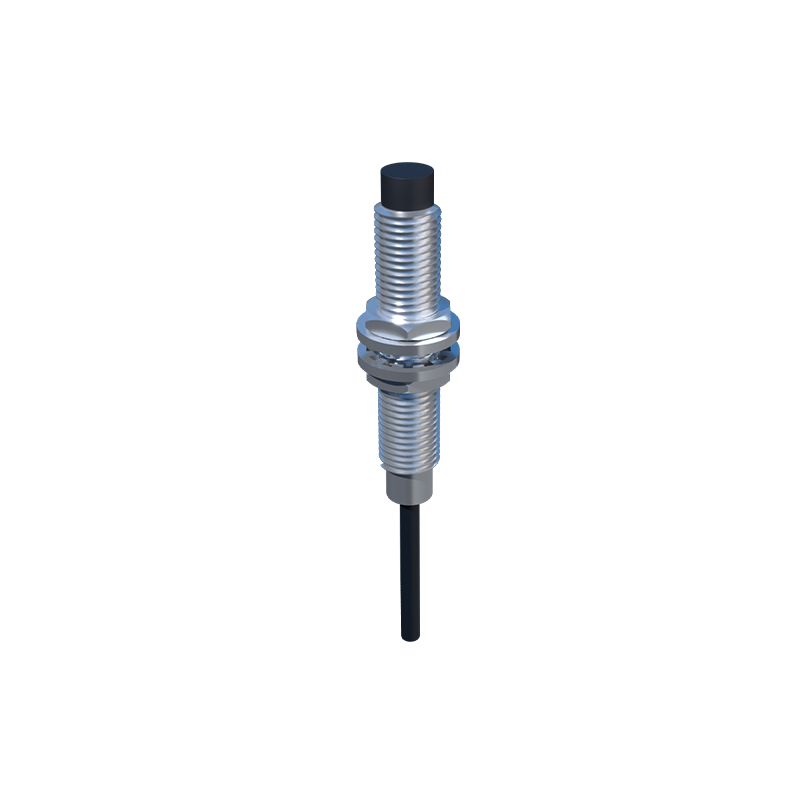
When selecting a pressure proximity sensor for a specific application, several key parameters must be considered. The sensing range for both proximity and pressure is primary; some applications need only millimeter-range detection, while others may require several centimeters. The pressure sensitivity and range are critical—will it measure grams of force or hundreds of kilograms? Response time is another vital factor, especially in high-speed manufacturing or safety-critical scenarios. Environmental robustness is also essential; sensors may need to be waterproof, oil-resistant, or capable of operating in extreme temperatures or in the presence of electromagnetic interference. Finally, the output signal type (analog voltage, current, digital I2C/SPI) must be compatible with the existing control system.
Looking ahead, the integration of pressure proximity sensing is becoming more sophisticated with the advent of smart sensors and the Internet of Things (IoT). Modern sensors often come with built-in microprocessors that can perform local data processing, calibration, and diagnostics, communicating directly with networked systems. This allows for predictive maintenance, where the sensor can report on its own health or warn of abnormal force patterns before a failure occurs. Furthermore, advancements in flexible and printed electronics are leading to the development of thin, conformable sensor skins that can be draped over complex surfaces, opening new possibilities in robotics, wearable technology, and smart infrastructure.
In conclusion, pressure proximity sensors represent a powerful convergence of detection technologies. By providing critical data on both the presence and the tactile force of objects, they form a fundamental bridge between the physical and digital worlds. Their role in enabling safer, more precise, and more intelligent automated systems continues to expand, solidifying their position as a key enabling technology across countless industries.