In the realm of modern automation and safety systems, garage proximity sensor receivers play a pivotal role in ensuring seamless operation and enhanced security. As an electrical engineer with extensive experience in industrial and residential applications, I aim to delve into the technical intricacies, design considerations, and practical implementations of these critical components. This guide will provide a thorough understanding of their functionality, integration, and optimization for various scenarios.
Garage proximity sensor receivers are electronic devices designed to detect the presence or absence of objects—typically vehicles or obstacles—within a specified range, using non-contact sensing methods. They form the receiving end of a sensor system, working in tandem with transmitters to facilitate automated garage door operations, safety interlocks, and access control. The core principle revolves around electromagnetic or infrared signals, where the receiver interprets changes in signal strength or reflection to trigger actions, such as halting a closing door to prevent accidents.
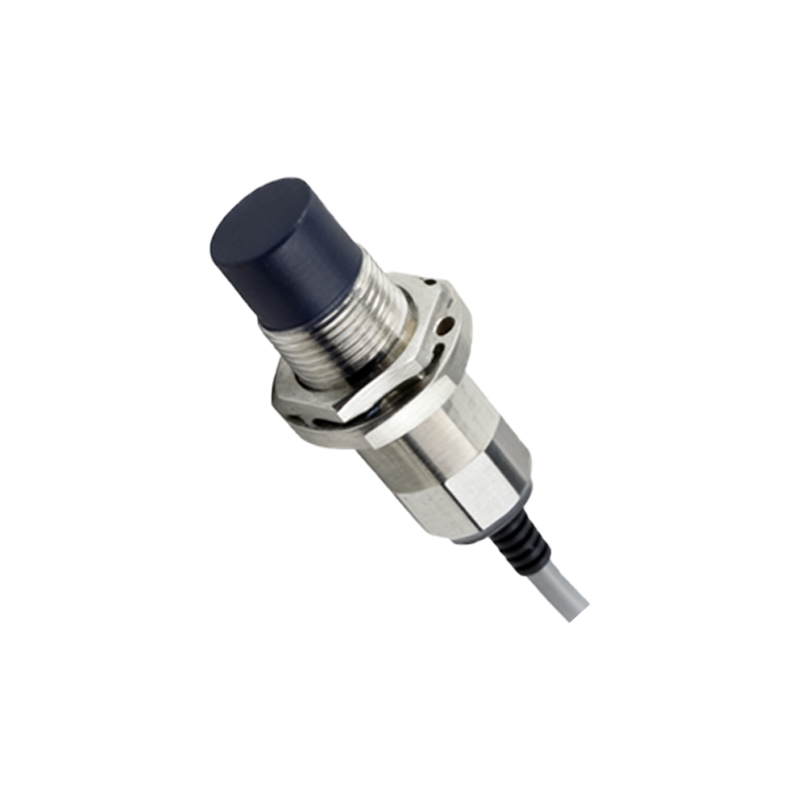
From a technical standpoint, these receivers commonly utilize technologies like inductive, capacitive, or photoelectric sensing. Inductive sensors, for instance, are ideal for detecting metallic objects by generating an electromagnetic field, while capacitive variants can sense non-metallic materials based on changes in capacitance. Photoelectric receivers, on the other hand, rely on light beams—often infrared—to detect interruptions, offering high precision for alignment and obstacle detection. The choice of technology depends on factors such as environmental conditions, target material, and required sensing distance. For garage applications, where reliability is paramount, receivers must be designed to withstand temperature fluctuations, moisture, and electromagnetic interference from nearby motors or wiring.
In terms of circuit design, a typical garage proximity sensor receiver comprises several key modules: a signal conditioning unit, a demodulator or decoder, and an output driver. The signal conditioning unit amplifies and filters the incoming signal from the transmitter, reducing noise and enhancing sensitivity. This is crucial in noisy environments, such as garages with electrical tools or vehicles, where signal integrity can be compromised. The demodulator then extracts the relevant data—often encoded to prevent false triggers from external sources—and the output driver interfaces with the garage door opener or control system. Modern receivers may incorporate microcontrollers for advanced features like adaptive threshold adjustment, self-diagnostics, and wireless communication via protocols such as Zigbee or Wi-Fi for smart home integration.
Installation and calibration are critical phases that directly impact performance. Engineers must consider the mounting position, alignment with transmitters, and environmental shielding. For example, receivers should be placed away from direct sunlight or reflective surfaces that could cause signal bounce, leading to erratic behavior. Calibration involves setting the sensing range and sensitivity to avoid nuisance tripping while ensuring timely detection. In residential settings, this might mean adjusting for small pets or debris, whereas industrial garages may require robust settings for heavy machinery. Additionally, compliance with safety standards—such as UL 325 for garage door operators—is non-negotiable, mandating features like entrapment protection, where the receiver must signal an immediate stop if an obstacle is detected during door movement.
Looking ahead, advancements in garage proximity sensor receivers are leaning towards IoT-enabled smart systems. These incorporate machine learning algorithms to differentiate between routine objects and potential hazards, improving accuracy and reducing false alarms. Energy efficiency is another focus, with low-power designs extending battery life in wireless setups. For electrical engineers, this evolution presents opportunities to innovate in areas like miniaturization, multi-sensor fusion, and cybersecurity for networked receivers.
In conclusion, garage proximity sensor receivers are more than mere switches; they are sophisticated components that blend physics, electronics, and software to enhance safety and convenience. By mastering their technical aspects—from signal processing to integration—engineers can design systems that are reliable, efficient, and adaptable to future trends. Whether for a simple home garage or a complex automated facility, a deep understanding of these receivers is essential for any professional in the electrical field.