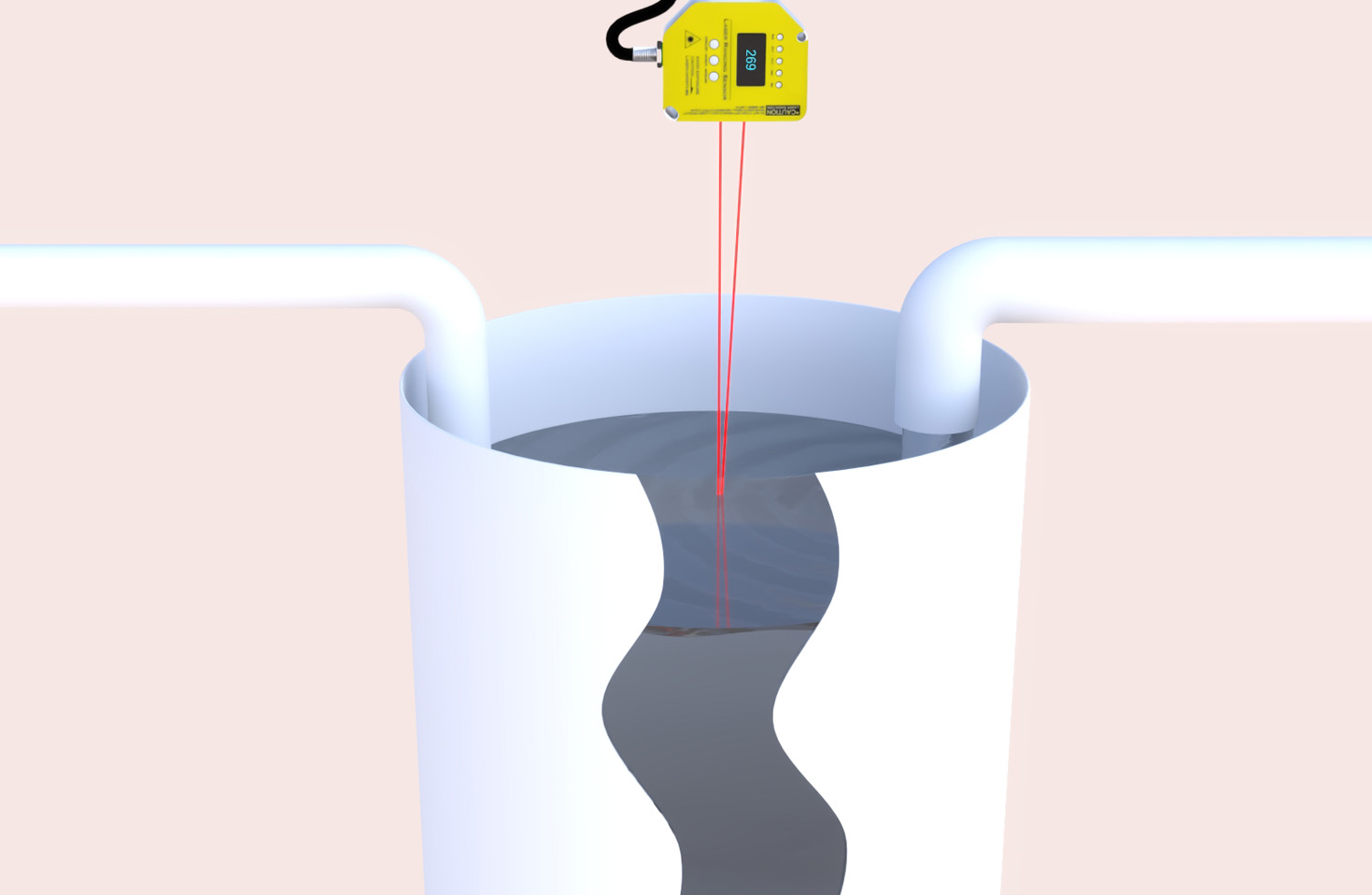
The global market for laser sensors is experiencing a period of unprecedented growth and transformation, driven by advancements in automation, Industry 4.0 initiatives, and the increasing demand for precision measurement across diverse sectors. As a critical component in modern industrial systems, laser sensors offer non-contact, high-accuracy solutions for distance measurement, object detection, positioning, and quality control. The international trade landscape for these sophisticated devices is shaped by complex technological evolution, stringent regulatory standards, and shifting geopolitical and supply chain dynamics.
Technologically, the laser sensor industry is segmented primarily by type, including time-of-flight (ToF), triangulation, confocal, and interferometric sensors. Each type caters to specific application requirements with varying degrees of precision, range, and environmental robustness. In international trade, manufacturers and exporters must navigate a market that demands not only technical excellence but also compliance with international safety standards such as IEC 60825-1 for laser product safety and region-specific electromagnetic compatibility (EMC) directives. The integration of smart features like Industrial Internet of Things (IIoT) connectivity, embedded data processing, and self-diagnostic capabilities is becoming a standard expectation, adding layers of complexity to both product development and global distribution strategies.
From a market perspective, key demand drivers originate from the automotive manufacturing sector, where laser sensors are indispensable for robotic guidance and assembly verification; the electronics and semiconductor industry, requiring nanometer-level precision; and the burgeoning fields of logistics automation and autonomous mobile robots. Geographically, established manufacturing hubs in Europe, North America, and Japan continue to be both major producers and consumers. However, the most significant growth in import demand is currently observed in the Asia-Pacific region, particularly within China, South Korea, and Southeast Asian nations, fueled by rapid industrial automation and infrastructure development.

Engaging in international trade of laser sensors presents distinct challenges. Exporters must contend with volatile tariffs and trade policies, which can alter cost structures overnight. Intellectual property protection is paramount, given the high value of proprietary optical and algorithmic designs. Furthermore, providing comprehensive technical support, calibration services, and documentation in multiple languages is essential for success in foreign markets. The post-pandemic era has also underscored the necessity for resilient, multi-node supply chains to mitigate disruptions in the availability of critical components like laser diodes and specialized photodetectors.
Looking forward, the trajectory of this trade is poised for further innovation and expansion. Emerging trends include the miniaturization of sensor packages for integration into compact devices, the development of cost-effective models for high-volume applications, and enhanced robustness for operation in extreme industrial environments. Sustainability considerations are also beginning to influence design, focusing on energy efficiency and longer product lifecycles. For companies engaged in this trade, success will hinge on agile adaptation to technological shifts, strategic market positioning, and the cultivation of strong, reliable partnerships across the global value chain. The laser sensor, as a cornerstone of modern precision engineering, will continue to see its international trade flows mirror the pulse of global industrial advancement.