In the competitive landscape of industrial automation and machinery design, selecting the right proximity sensor is a critical decision that balances performance, reliability, and, crucially, cost. The question of "which supplier is cheapest?" is often the starting point, but for the discerning electrical engineer, the true inquiry is about value. A low initial purchase price can be misleading if it leads to higher total cost of ownership due to failures, downtime, or integration challenges. This analysis delves into the key factors that define true value in proximity sensor procurement, moving beyond mere price tags to examine the total lifecycle cost.
The market for proximity sensors is populated by a spectrum of suppliers, from globally recognized industrial automation giants to specialized component manufacturers and value-oriented distributors. Tier-1 suppliers, such as Omron, Sick, or Pepperl+Fuchs, are renowned for their engineering excellence, extensive R&D, robust quality control, and comprehensive technical support. Their sensors often command a premium price. On the other end, numerous suppliers, including certain lines from Autonics, Panasonic, or a multitude of OEM-focused manufacturers, position themselves in the mid to low-price range. Furthermore, online electronic component distributors and marketplaces frequently list generic or unbranded sensors at seemingly attractive prices. The initial cost disparity between these tiers can be significant, sometimes by a factor of two or more for a sensor with similar basic specifications (e.g., sensing distance, output type).
However, evaluating cost requires a multi-dimensional framework. First, consider Specification Alignment and Performance Consistency. A cheaper sensor might nominally match the required sensing distance (e.g., 5mm) but have a wider tolerance or poorer repeat accuracy under varying temperature or voltage conditions. This inconsistency can cause false triggers in a sensitive application, leading to production line stoppages. The cost of one hour of unplanned downtime can eclipse the savings from hundreds of cheap sensors. Premium suppliers invest heavily in ensuring tight tolerances and stable performance across their stated operating ranges, providing predictable and reliable operation.
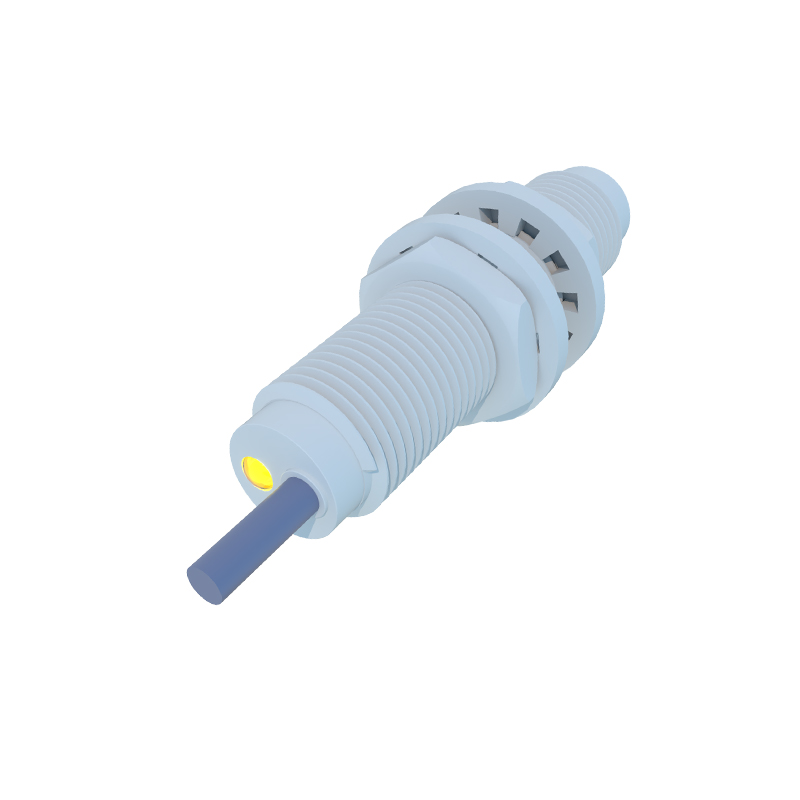
Second, Durability and Environmental Robustness is paramount. Industrial environments are harsh, featuring oil, coolant, metal shavings, vibration, and electrical noise. A sensor's housing material (e.g., nickel-plated brass vs. plastic), ingress protection (IP) rating, and electrical shielding directly impact its lifespan. A low-cost sensor with a substandard housing may fail prematurely when exposed to chemicals or physical impact, necessitating frequent replacement. The true cost here includes not just the replacement unit, but also the labor for installation, recalibration, and the associated production loss. High-quality sensors from established suppliers are typically built to withstand such conditions, offering a longer mean time between failures (MTBF).
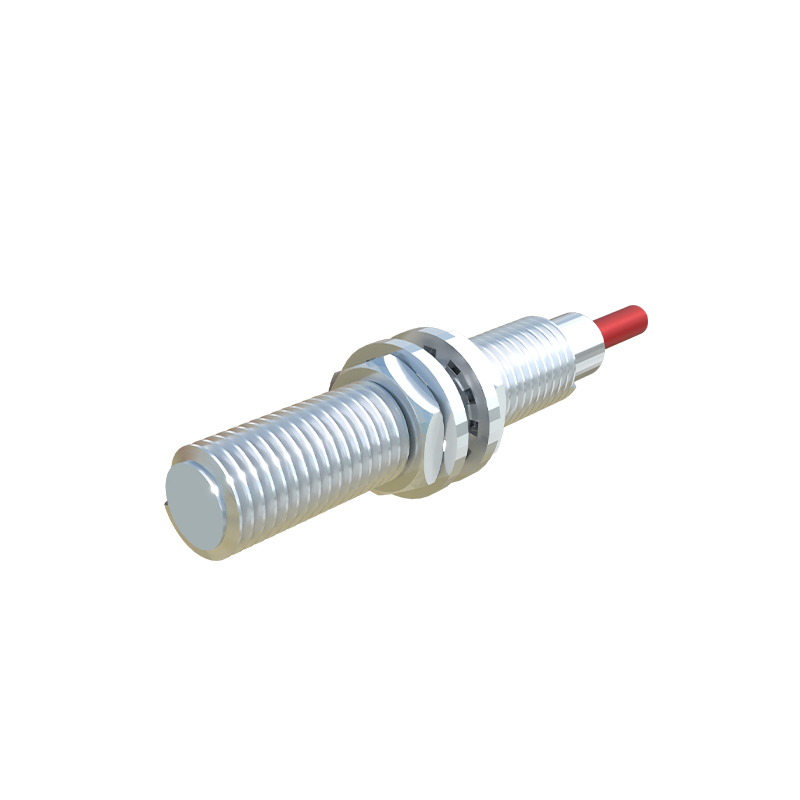
Third, Ease of Integration and Support carries hidden costs. Does the sensor come with clear, comprehensive documentation in your required language? Are CAD models readily available for mechanical design? Is the wiring and connection method standardized and compatible with your existing infrastructure? When a technical issue arises, can you access knowledgeable application engineers? Suppliers with strong value propositions provide these resources, reducing engineering time and troubleshooting efforts. A cheap sensor with poor documentation or no support can consume disproportionate engineering hours, negating any upfront savings.
Fourth, Supply Chain Stability and Lead Time is a critical, often overlooked, cost factor. A supplier offering a rock-bottom price but with erratic inventory or long lead times can disrupt production schedules. The cost of delaying a machine build or halting an assembly line waiting for a sensor shipment is substantial. Reliable suppliers, even at a slightly higher unit cost, often provide stable inventory, transparent lead times, and global logistics networks, ensuring just-in-time delivery and project continuity.
Therefore, the search for an affordable proximity sensor supplier should be reframed as a search for the optimal cost-benefit ratio. For non-critical applications with benign environments and low consequence of failure, a value-oriented brand from a reputable distributor can offer excellent savings. For mission-critical applications in harsh environments where reliability is non-negotiable, the investment in a premium sensor from a top-tier supplier is justified by the avoidance of far greater downstream costs.
In conclusion, there is no single "cheapest" supplier that fits all scenarios. The most economical choice is contextual. Engineers are advised to conduct a total cost of ownership (TCO) analysis for their specific application. Evaluate not just the unit price, but factor in expected lifespan, environmental demands, integration complexity, and support needs. Building relationships with distributors that carry a range of brands can provide flexibility. Ultimately, the best value is delivered by the supplier whose product reliably performs its intended function with minimal total lifecycle cost, ensuring system uptime and operational efficiency. Prioritizing value over mere price leads to more robust, reliable, and cost-effective automation solutions.