In the realm of industrial automation and machine safety, proximity sensors are indispensable components, providing non-contact detection of objects. Among the various models available, the A22810 proximity sensor stands out as a robust and reliable solution for demanding applications. This article delves into the technical specifications, operational principles, key advantages, and typical use cases of the A22810, offering a comprehensive guide for engineers and procurement specialists.
The A22810 is typically an inductive proximity sensor. This type of sensor generates an electromagnetic field from its sensing face. When a metallic target enters this field, eddy currents are induced in the target, causing a change in the sensor's internal oscillation amplitude. This change is detected by the circuitry, which subsequently triggers a solid-state output switch. This fundamental principle allows for the detection of ferrous and non-ferrous metals without any physical contact, ensuring long operational life and minimal maintenance.
Key technical features of the A22810 series often include a defined sensing range, which is the maximum distance at which it can reliably detect a standard target. It is crucial to consult the specific datasheet for the exact model, as variations exist. These sensors commonly offer a choice of output configurations, such as NPN (sinking) or PNP (sourcing) transistor outputs, making them compatible with a wide array of programmable logic controllers (PLCs) and control systems. The housing is usually constructed from nickel-plated brass or stainless steel, providing excellent resistance to mechanical impact, vibration, and harsh industrial environments including coolants and oils. Many models are also designed with built-in protection against short-circuit, reverse polarity, and overload, enhancing system reliability.
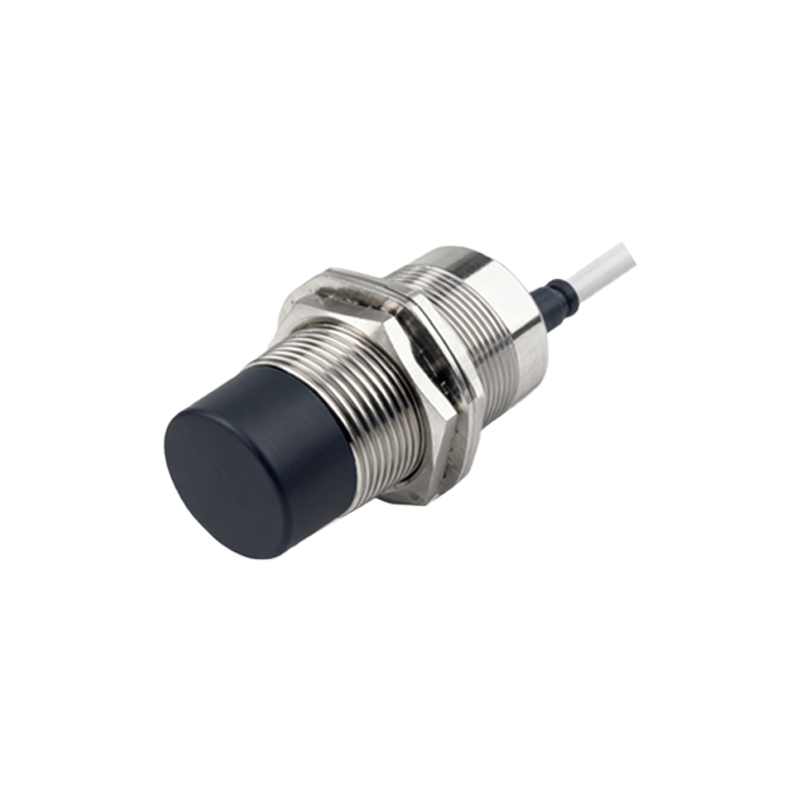
One of the primary advantages of the A22810 proximity sensor is its high switching frequency. This capability allows it to detect objects moving at high speeds, making it ideal for applications like counting, speed monitoring, and position verification on fast-moving production lines. Its repeat accuracy—the consistency with which it detects a target at the same point—is typically very high, ensuring precise and reliable operation in automated processes. Furthermore, its inherent design, with no moving mechanical parts in the sensing element, translates to virtually wear-free operation and a long service life, reducing total cost of ownership.
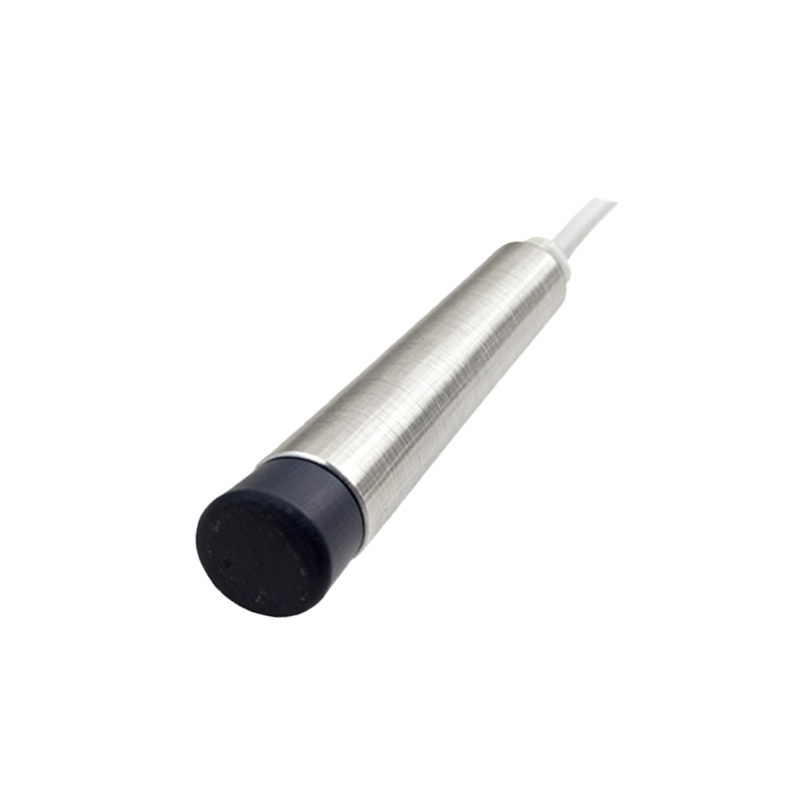
The applications for the A22810 sensor are vast across multiple industries. In automotive manufacturing, they are used for part presence detection in assembly robots, end-of-travel positioning for actuators, and monitoring rotational speed on conveyor systems. In packaging machinery, these sensors verify the position of lids, detect filled containers on a line, or count products. Material handling equipment utilizes them for pallet positioning, stack height control, and detecting the presence of metal totes or racks. They are also fundamental in metalworking for tool breakage detection, spindle positioning, and monitoring the feed of metal stock.
Selecting the correct A22810 model requires careful consideration of several parameters. First, determine the required sensing distance and ensure it accommodates any installation tolerances. Second, identify the target material and size, as these affect the effective sensing range. Third, choose the appropriate electrical output type (NPN or PNP) to match your control system's input card. Fourth, consider the environmental conditions: factors like temperature extremes, potential for washdowns, or exposure to chemicals may necessitate a specific housing material or ingress protection (IP) rating, such as IP67 or IP69K. Finally, the physical form factor—be it cylindrical (e.g., M8, M12, M18, M30 threaded barrels) or rectangular—must suit the mounting constraints of the application.
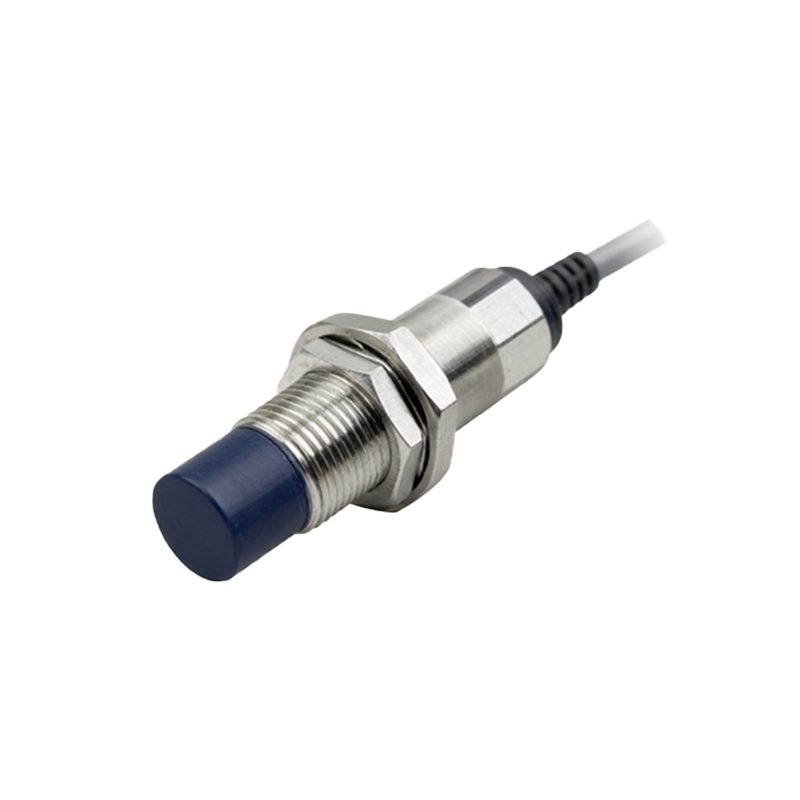
Installation and wiring are straightforward but critical. Ensure the sensor is mounted securely to prevent vibration from affecting performance. Maintain the specified clearance around the sensing face from any surrounding metal (the non-sensing area) to avoid false triggering. Always follow the wiring diagram provided in the documentation, connecting the brown wire (typically +V), blue wire (typically 0V or common), and black wire (typically the switched output signal) correctly to the power supply and load.
In conclusion, the A22810 proximity sensor represents a mature and highly effective technology for non-contact metal detection. Its durability, speed, accuracy, and versatility make it a cornerstone component in modern industrial automation systems. By understanding its operating principles and carefully matching its specifications to the application requirements, engineers can ensure optimal performance, enhanced machine efficiency, and improved safety in their automated processes. Always refer to the official manufacturer's datasheet for the most accurate and detailed information on a specific A22810 variant before integration.