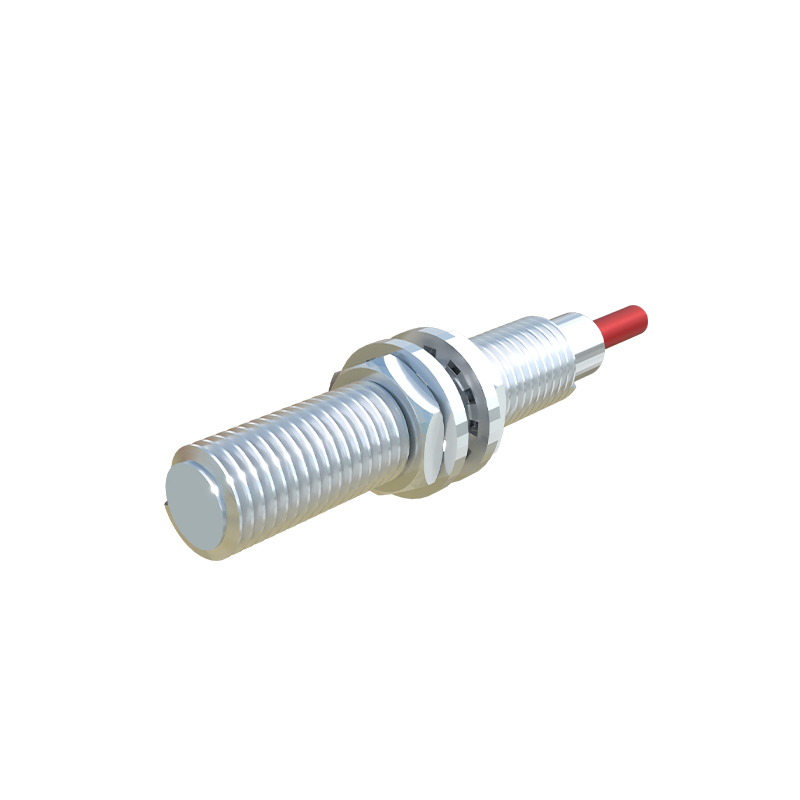
In the realm of industrial automation, proximity sensors serve as the silent sentinels, detecting the presence or absence of objects without physical contact. These critical components, including inductive, capacitive, and ultrasonic types, are integral to machinery safety, precision control, and operational efficiency. However, their performance can degrade over time due to environmental factors, mechanical wear, or electrical issues, leading to costly downtime. Establishing a dedicated Proximity Sensor Maintenance Center is essential for sustaining peak performance in manufacturing and processing facilities.
A Proximity Sensor Maintenance Center functions as a specialized hub for inspection, testing, repair, and calibration of these devices. Regular maintenance begins with visual checks for physical damage, such as cracks or corrosion on sensor housings and cables. Technicians then use calibrated equipment to verify sensing ranges, response times, and output signals. For inductive sensors, which detect metallic objects, it's crucial to test for reduced sensitivity caused by buildup of metal shavings or misalignment. Capacitive sensors, sensitive to non-metallic materials, require checks for contamination from dust or liquids that can alter dielectric properties. Ultrasonic sensors need inspection for transducer fouling and acoustic interference.
Preventive maintenance protocols at the center include cleaning sensor faces with appropriate solvents, ensuring tight electrical connections, and verifying mounting stability to prevent vibration-induced failures. Environmental protection measures, such as installing shields or selecting IP-rated sensors for harsh conditions, are also reviewed. Advanced diagnostic tools, like oscilloscopes and signal analyzers, help identify intermittent faults or electrical noise issues that simple functional tests might miss. Data logging from these assessments enables trend analysis, predicting failures before they occur and optimizing replacement schedules.
The maintenance process extends beyond hardware to encompass firmware updates for smart sensors with digital interfaces, ensuring compatibility with evolving control systems. Technicians are trained to adhere to OEM guidelines and industry standards, such as IEC 60947-5-2, which specifies performance requirements for proximity devices. Spare parts management is another key aspect, with the center stocking common sensor models, cables, and connectors to minimize turnaround time. For irreparable units, proper disposal or recycling following environmental regulations is emphasized.
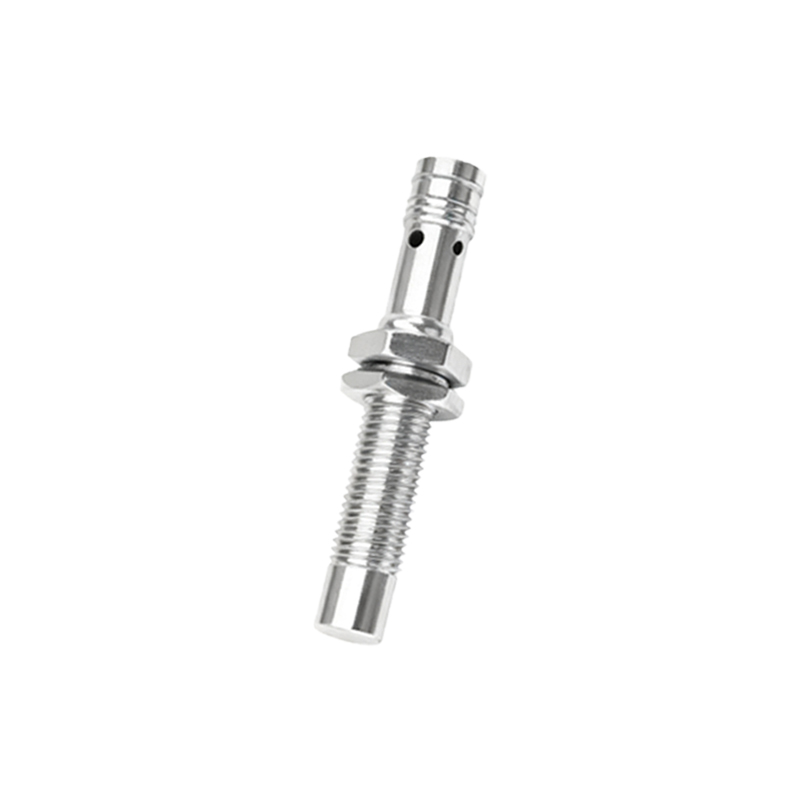
Implementing a Proximity Sensor Maintenance Center offers tangible benefits: reduced unplanned downtime, extended sensor lifespan, improved safety by preventing false triggers or failures, and cost savings from fewer emergency replacements. It also enhances system accuracy, crucial in applications like robotic assembly or conveyor sorting, where even minor deviations can cause defects. Companies can integrate this center into their overall predictive maintenance strategy, leveraging IoT connectivity for real-time monitoring and alerts.
In summary, a Proximity Sensor Maintenance Center is not merely a repair shop but a proactive asset for industrial operations. By combining routine checks, advanced diagnostics, and skilled expertise, it ensures that these vital sensors continue to operate reliably, supporting the seamless flow of automated processes and contributing to long-term productivity gains in sectors from automotive to food processing.