Laser sensors are critical components in various industrial applications, offering high precision and reliability for tasks such as distance measurement, object detection, and quality control. However, encountering a "no light" issue—where the laser emitter fails to produce a visible or functional beam—can disrupt operations and lead to costly downtime. This article explores the common causes behind laser sensors not emitting light, provides troubleshooting steps, and discusses preventive measures to ensure optimal performance.
One primary reason for a laser sensor not emitting light is power supply problems. Laser sensors require stable and adequate voltage to operate correctly. If the power source is insufficient, unstable, or disconnected, the sensor may fail to activate. Check the power connections, ensure the voltage matches the sensor's specifications, and verify that there are no loose wires or corrosion in the terminals. Using a multimeter to test the voltage at the sensor's input can help identify power-related issues.
Another frequent cause is damage to the laser diode or emitter. Laser diodes are sensitive components that can degrade over time due to factors like overheating, excessive current, or physical shock. If the diode is burned out or damaged, it will not produce light. Inspect the emitter for visible signs of damage, such as cracks or discoloration. In some cases, the diode may appear intact but still malfunction due to internal failures. Replacing the laser diode or the entire emitter module might be necessary if damage is confirmed.
Environmental factors can also lead to no light issues. Contamination, such as dust, dirt, or oil buildup on the sensor's lens or emitter, can block or scatter the laser beam, making it appear as if there is no light. Regular cleaning of the sensor components using appropriate materials, like lint-free cloths and isopropyl alcohol, can prevent this. Additionally, extreme temperatures, humidity, or exposure to harsh chemicals can affect the sensor's electronics and optical parts, leading to failure. Ensure the sensor is installed in a suitable environment and protected with enclosures if needed.
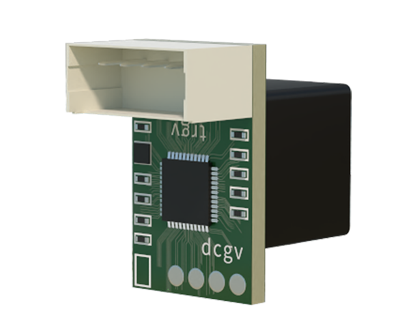
Electrical issues within the sensor's circuitry, such as faulty drivers or control boards, can also result in no light emission. The driver circuit regulates the current to the laser diode, and if it malfunctions, the diode may not receive power. Testing the driver output with an oscilloscope or replacing the driver module can resolve this. Similarly, problems with the sensor's internal wiring or connectors can interrupt the signal. A thorough inspection of the circuit boards and connections for soldering defects or broken traces is recommended.
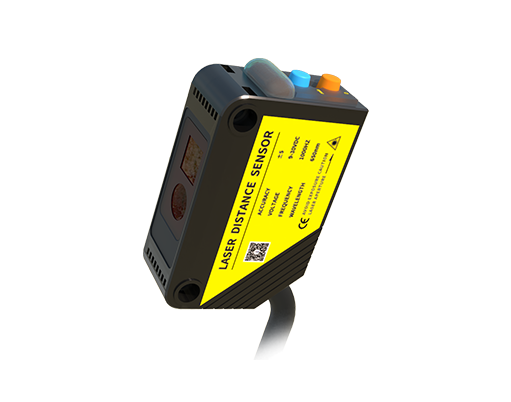
Configuration and software errors might cause the laser sensor to appear inactive. Some sensors have programmable settings that control the laser output, such as pulse modes or power levels. If these settings are incorrectly configured, the laser may not emit light as expected. Review the sensor's manual and reset or adjust the parameters using the appropriate interface, such as a software tool or hardware switches. Firmware updates or glitches can also impact functionality, so ensuring the sensor has the latest firmware is advisable.
Preventive maintenance is key to avoiding no light issues. Implement a regular schedule for inspecting and cleaning laser sensors, checking power supplies, and monitoring environmental conditions. Use sensors with built-in diagnostics or status indicators to quickly identify problems. When selecting laser sensors, consider models with robust designs, adequate protection ratings (e.g., IP67 for dust and water resistance), and compatibility with your application's demands. Training personnel on proper handling and troubleshooting can further reduce downtime.
In summary, laser sensor no light issues often stem from power supply problems, damaged components, environmental factors, electrical faults, or configuration errors. By systematically troubleshooting these areas and adopting preventive measures, engineers can maintain reliable sensor performance and minimize operational disruptions. Always refer to the manufacturer's guidelines and safety protocols when working with laser devices to ensure accuracy and safety.