Selecting the optimal proximity sensor model is a critical decision in industrial automation and control systems. The process requires a thorough understanding of both the application requirements and the sensor's technical specifications. This guide outlines key factors to consider, ensuring reliable and efficient operation in diverse environments.
First, identify the sensing object's material. Inductive proximity sensors are designed to detect metallic objects, typically ferrous metals like steel and iron. For non-ferrous metals such as aluminum or copper, sensors with reduced sensing ranges or specialized models may be necessary. Capacitive sensors, on the other hand, can detect a wide range of materials including liquids, plastics, and wood, making them versatile for packaging or level detection applications.
Next, determine the required sensing distance. The nominal sensing range specified in datasheets is based on a standard target. Real-world conditions, such as target size, shape, and material composition, can affect this range. Always account for a safety factor—typically 10-20%—to compensate for environmental variations like temperature fluctuations or voltage tolerances. For long-range detection, ultrasonic or photoelectric sensors might be more suitable than standard inductive or capacitive models.
The sensor's output type is another crucial consideration. Two-wire DC sensors are simple to install but may have higher leakage currents. Three-wire DC sensors (NPN or PNP) offer precise switching and are common in PLC interfaces. AC models are used for higher power loads. Additionally, choose between normally open (NO) and normally closed (NC) configurations based on the control logic and fail-safe requirements of your system.
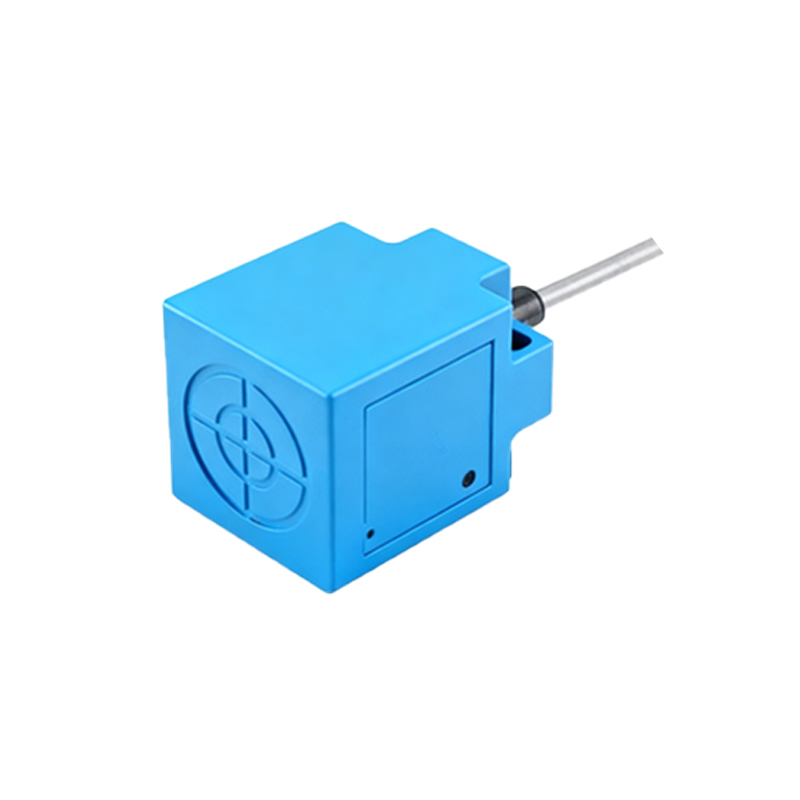
Environmental factors cannot be overlooked. Ingress Protection (IP) ratings indicate resistance to dust and moisture. For harsh conditions like washdown areas in food processing, sensors with IP67 or IP69K ratings are essential. Temperature extremes, vibration, and exposure to chemicals or oils may necessitate specialized housings made of stainless steel or with specific coatings. Electromagnetic interference (EMI) in areas with heavy machinery might require shielded models to prevent false triggering.
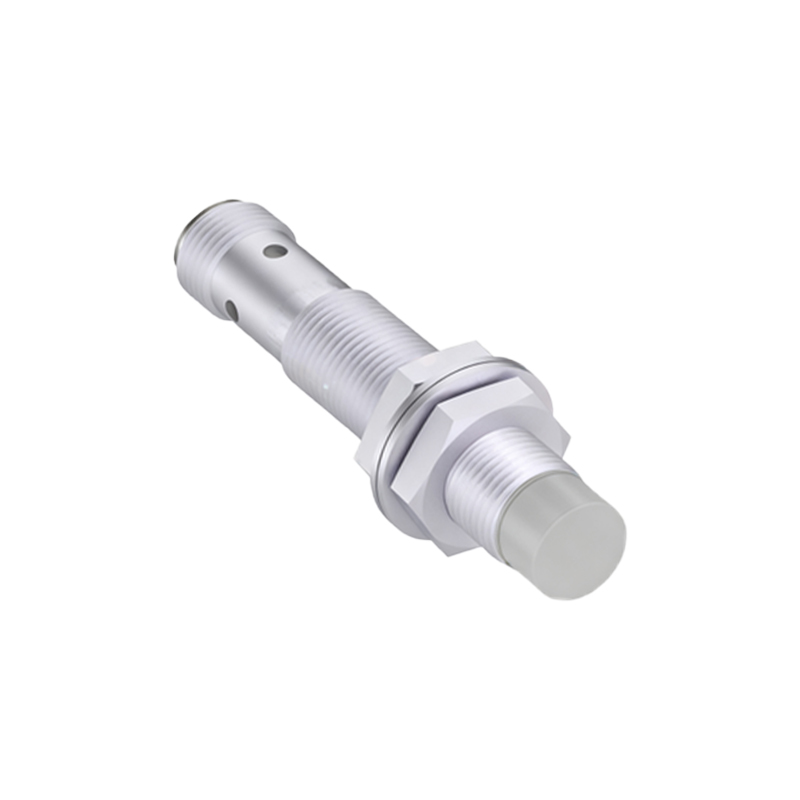
Mounting constraints and physical size also play a significant role. Cylindrical sensors (e.g., M8, M12, M18, M30 threads) are standard, but rectangular or flat designs might be needed for space-limited installations. Consider the sensing face orientation—front, side, or top sensing—to align with the target's approach direction. Embedded or flush-mountable sensors are ideal when physical protection from mechanical damage is needed.
Finally, evaluate additional features like short-circuit protection, reverse polarity protection, and LED status indicators for easier diagnostics. For networking or smart factory applications, IO-Link enabled sensors provide digital communication for parameter setting and condition monitoring.
Always consult the manufacturer's datasheets and application notes. Testing the sensor in the actual operating environment, if possible, is the best way to validate your selection. By systematically analyzing material, range, output, environment, and physical factors, you can choose a proximity sensor model that ensures longevity, accuracy, and cost-effectiveness for your specific industrial task.