Proximity switch sensors, often simply called proximity sensors, are non-contact electronic devices designed to detect the presence or absence of an object within a defined sensing range without any physical contact. These sensors have become indispensable in modern industrial automation, robotics, and machinery, offering reliability, longevity, and precision that mechanical limit switches cannot match. Their core operating principle is based on changes in an electromagnetic field, capacitive field, or ultrasonic waves, depending on the specific type.
The most common types are inductive, capacitive, and magnetic (Reed or Hall effect) proximity sensors. Inductive sensors are the workhorses of metal detection. They generate an oscillating electromagnetic field from a coil in their face. When a metallic object enters this field, it induces eddy currents within the object, which dampens the oscillation of the sensor's circuit. This change is detected by the sensor's electronics, triggering a solid-state output signal. These sensors are ideal for detecting ferrous and non-ferrous metals in harsh environments like machine tools, automotive assembly lines, and material handling systems, as they are immune to dust, oil, and coolant splashes.
Capacitive proximity sensors, on the other hand, can detect both metallic and non-metallic materials, including liquids, plastics, glass, and wood. They function by generating an electrostatic field. Any object that enters this field alters the capacitance of the sensor's circuit, triggering the output. This makes them perfect for applications like level detection in tanks (for liquids or granular solids), detecting filled bottles on a conveyor, or monitoring the presence of non-metallic materials in packaging machinery.
Magnetic proximity sensors utilize a different mechanism. Reed switch types contain two ferromagnetic reeds sealed in a glass tube. When a permanent magnet approaches, the reeds magnetize and attract each other, closing the contact. Hall effect sensors detect changes in a magnetic field using semiconductor technology. Both are extensively used for detecting the position of cylinders (pneumatic or hydraulic) via a magnet embedded in the piston, in safety door interlocks, and in speed sensing applications.
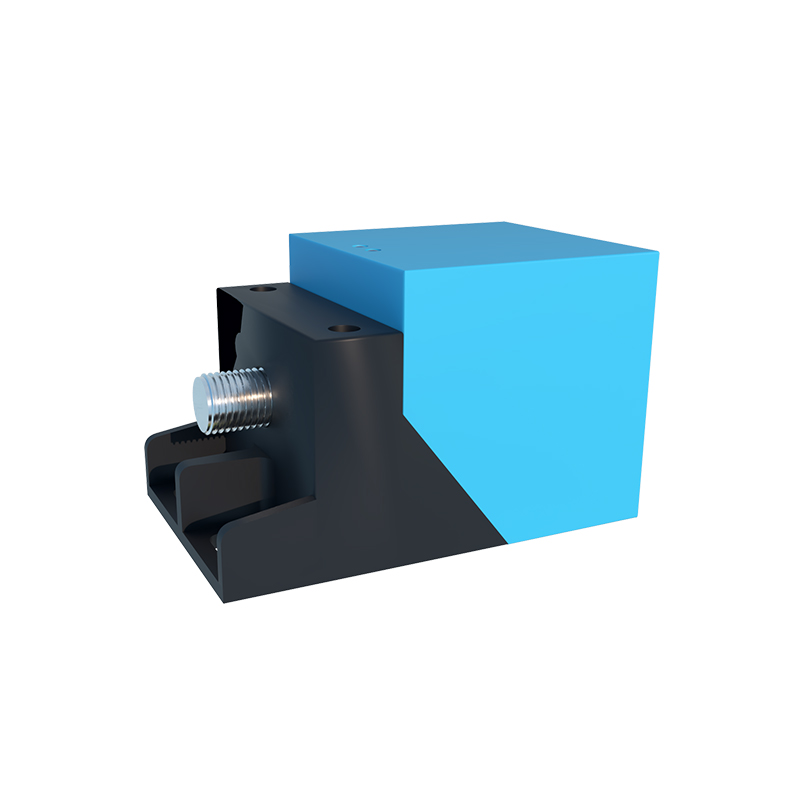
The advantages of proximity sensors are numerous. Their non-contact nature eliminates mechanical wear and tear, leading to a dramatically longer operational life compared to mechanical switches. They provide high switching frequencies, allowing for detection of very fast-moving objects on high-speed production lines. With no moving parts to jam or wear out, they offer exceptional reliability and require minimal maintenance. Modern sensors are also built to withstand extreme industrial conditions, featuring robust housings in materials like nickel-plated brass or stainless steel (PBT, etc.), high ingress protection (IP67, IP69K) ratings against dust and water, and excellent resistance to vibration and shock.
In practical application, selecting the right sensor involves several considerations. The key parameters are sensing distance, target material, output type (PNP/NPN, NO/NC), supply voltage, and environmental factors. Installation is critical; sensors must be mounted correctly to avoid mutual interference (when mounted side-by-side) and ensure the target approaches the sensing face properly. Shielding (flush-mounted) sensors can be installed flush in metal without affecting their range, while non-shielded types offer longer ranges but require a metal-free zone around them.
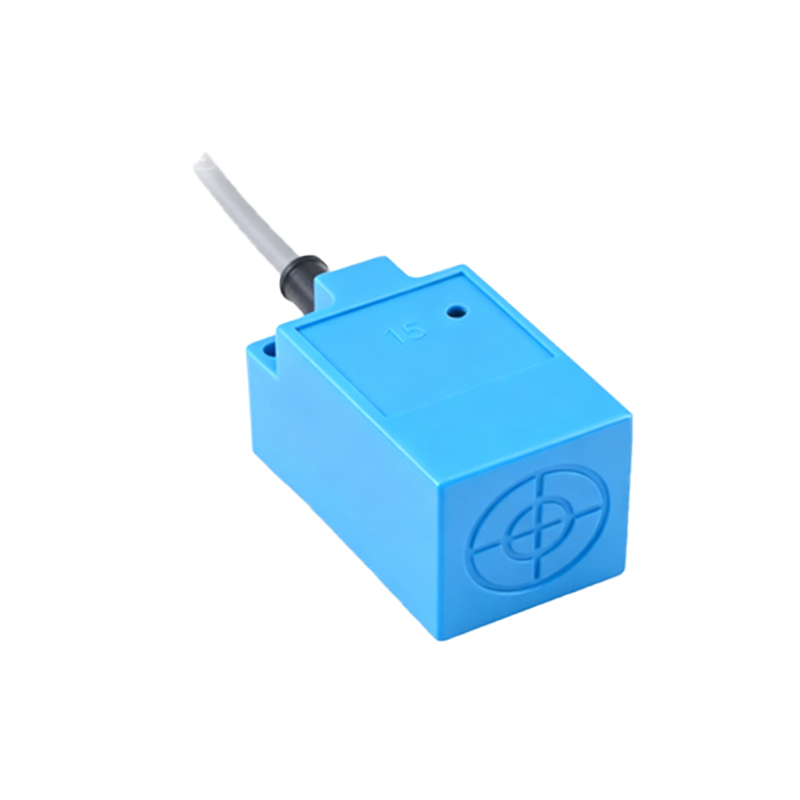
Looking forward, the integration of proximity sensors with Industrial Internet of Things (IIoT) and Industry 4.0 frameworks is a significant trend. Smart sensors with IO-Link communication capability can transmit not just a simple on/off signal but also detailed diagnostic data like operating temperature, signal strength, and device health to a central controller. This enables predictive maintenance, remote configuration, and deeper process optimization, moving beyond simple detection to become intelligent data points within a connected factory ecosystem.
From ensuring precise positioning in CNC machines to guaranteeing robot safety, from counting products on a conveyor to verifying a cap on a bottle, proximity switch sensors are the silent, reliable sentinels of automation. Their continued evolution towards smarter, more connected, and more robust designs ensures they will remain a foundational technology for efficient, safe, and intelligent manufacturing for years to come.