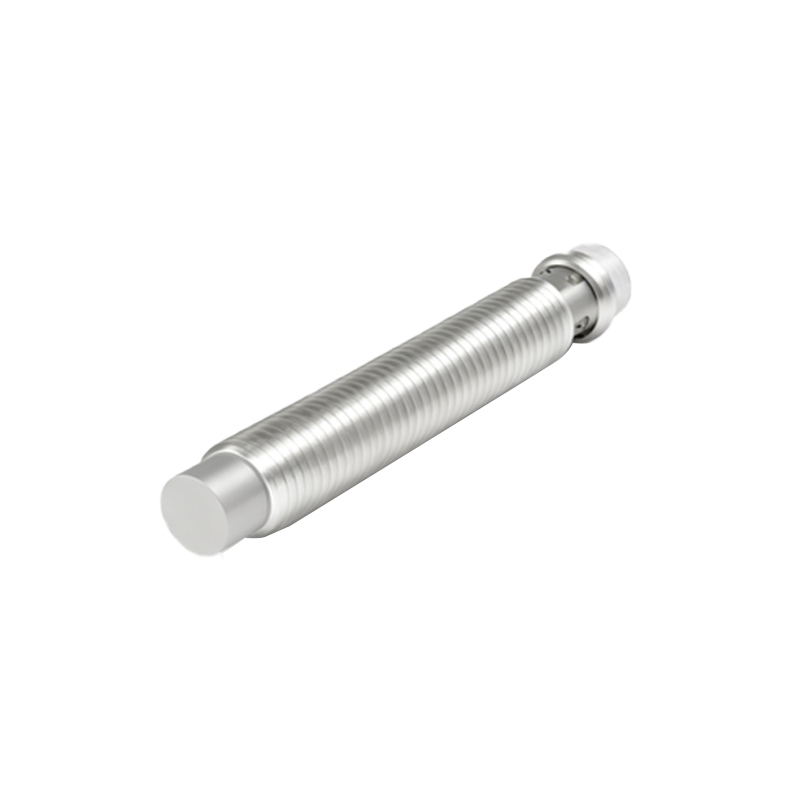
In the realm of electronic manufacturing and repair, soldering iron machines are indispensable tools for creating reliable electrical connections. A critical yet often overlooked component in these systems is the proximity switch sensor, which plays a pivotal role in enhancing safety, efficiency, and precision. This article delves into the functionality, types, applications, and benefits of proximity switch sensors in soldering iron machines, providing insights for engineers and technicians seeking to optimize their workflows.
Proximity switch sensors are non-contact devices that detect the presence or absence of an object within a specified range without physical contact. In soldering iron machines, these sensors are typically integrated to monitor the position of the soldering iron tip, ensuring it is correctly placed in its holder when not in use. This prevents accidental burns, reduces energy consumption by automatically powering down the iron when idle, and prolongs the lifespan of the heating element by avoiding unnecessary overheating. The sensor operates based on electromagnetic, capacitive, or inductive principles, depending on the type, with inductive sensors being the most common in industrial soldering applications due to their durability and reliability in detecting metallic objects like the iron tip.
There are several types of proximity sensors used in soldering iron machines. Inductive proximity sensors, for instance, generate an electromagnetic field to detect ferrous metals, making them ideal for sensing the metal tip of the soldering iron. Capacitive sensors, on the other hand, can detect both metallic and non-metallic objects by measuring changes in capacitance, offering versatility in diverse environments. Ultrasonic sensors use sound waves to gauge distance and are useful in scenarios where precise positioning is required. Each type has its advantages: inductive sensors are robust and resistant to environmental factors like dust or moisture, capacitive sensors provide sensitivity to a wider range of materials, and ultrasonic sensors excel in accuracy for automated systems. Selecting the right sensor depends on factors such as the machine design, operating conditions, and desired functionality.
The integration of proximity switch sensors into soldering iron machines brings numerous benefits. Firstly, safety is significantly enhanced by preventing the iron from being left active unintentionally, reducing the risk of fire or injury in workshops. Secondly, energy efficiency is improved through automatic shut-off features, which lower electricity costs and contribute to sustainable practices. Thirdly, precision in soldering tasks is boosted by ensuring the iron is always ready at the correct temperature and position, minimizing errors in delicate electronic assemblies. Additionally, these sensors reduce wear and tear on the machine components, leading to lower maintenance costs and longer operational life. For high-volume production lines, this translates to increased productivity and reduced downtime.
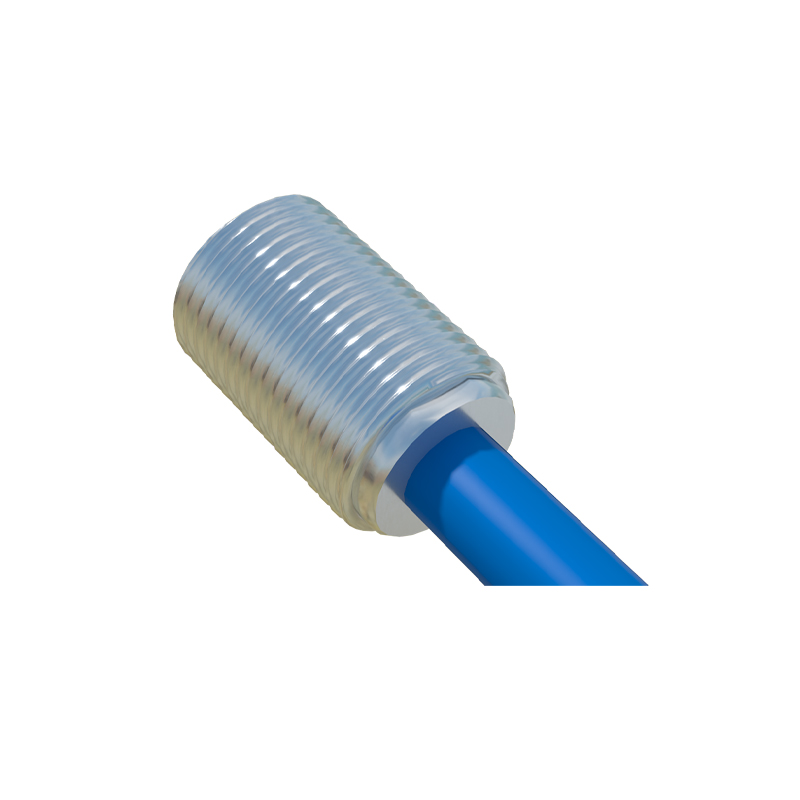
In practice, installing and calibrating proximity sensors requires careful attention to detail. Engineers must consider the sensing range, response time, and environmental interference to ensure optimal performance. Regular maintenance, such as cleaning the sensor surface and checking for alignment, is essential to prevent false triggers or failures. As technology advances, smart sensors with IoT connectivity are emerging, allowing for remote monitoring and data analytics to further optimize soldering processes. These innovations pave the way for more automated and intelligent manufacturing environments.
Overall, proximity switch sensors are vital components that elevate the functionality of soldering iron machines. By understanding their principles and applications, professionals in the electrical industry can make informed decisions to improve safety, efficiency, and quality in their work. Whether in small repair shops or large-scale electronics factories, leveraging these sensors can lead to significant operational advantages.