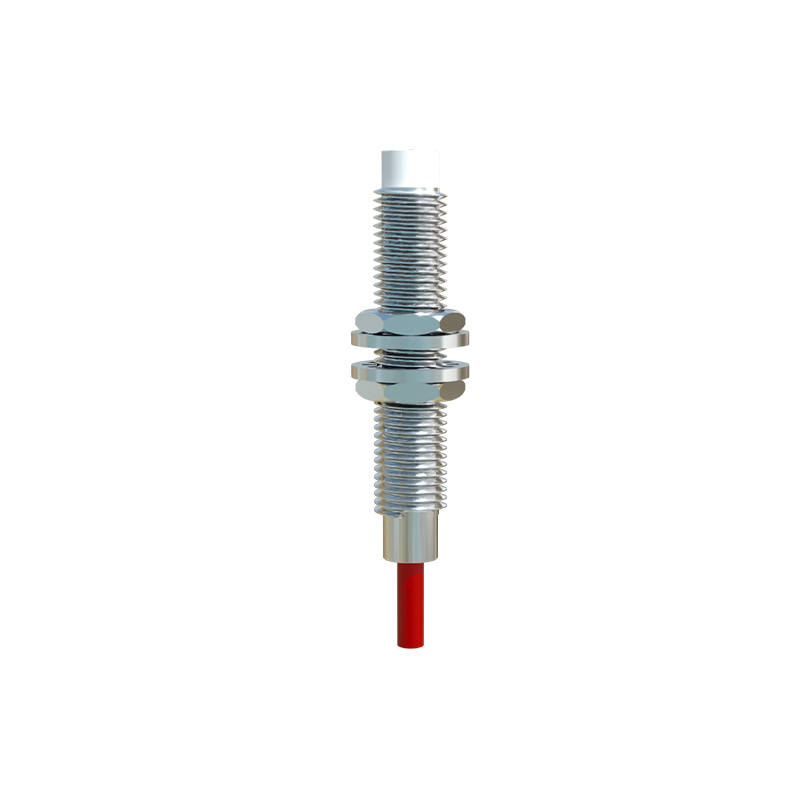
In the landscape of industrial automation, proximity sensors stand as fundamental components, enabling non-contact detection of objects to enhance efficiency, safety, and precision. While high-end models with advanced features dominate discussions, economical proximity sensors represent a critical segment, offering robust performance at a fraction of the cost. These sensors are engineered to deliver reliable operation in diverse applications without compromising essential functionality, making automation accessible even for budget-conscious projects.
Economical proximity sensors typically utilize inductive, capacitive, or photoelectric principles. Inductive sensors, the most common in this category, detect metallic objects through electromagnetic fields. They are prized for their durability, resistance to environmental contaminants like dust and oil, and simple installation. Capacitive variants can detect both metallic and non-metallic materials, including liquids and granules, by sensing changes in capacitance. Photoelectric sensors, though sometimes slightly higher in price within the budget range, use light beams to detect objects and are versatile for various surface types. The design focus for cost-effective models is on core detection tasks—ensuring consistent switching, adequate sensing ranges, and solid construction—while omitting complex features like extensive programmability or extreme environmental ratings.
The primary advantage of economical proximity sensors lies in their value proposition. For many standard industrial tasks, such as part presence verification on a conveyor, position sensing in machinery, or simple counting operations, these sensors provide sufficient accuracy and longevity. Manufacturers achieve cost savings through optimized manufacturing processes, standardized housing materials like PBT or ABS plastics, and simplified electronic circuitry. This does not inherently mean lower quality; many economical sensors meet international standards (e.g., IP67 protection) and offer dependable mean time between failures (MTBF), ensuring they withstand typical factory conditions.
Selection criteria for these sensors involve several practical considerations. First, define the application requirements: target material (metal, plastic, liquid), required sensing distance (often shorter in budget models, e.g., 2-10 mm for inductive types), and environmental factors (temperature, humidity, potential splashes). Output type is another key decision—PNP or NPN transistor outputs are standard, with some models offering both analog and discrete signals. Electrical specifications, such as supply voltage (commonly 10-30 V DC) and current rating, must match the control system. Physical size and mounting style (e.g., cylindrical threaded barrels or rectangular shapes) should align with spatial constraints. Notably, while economical sensors may have limited adjustability, many include basic features like LED status indicators and short-circuit protection.
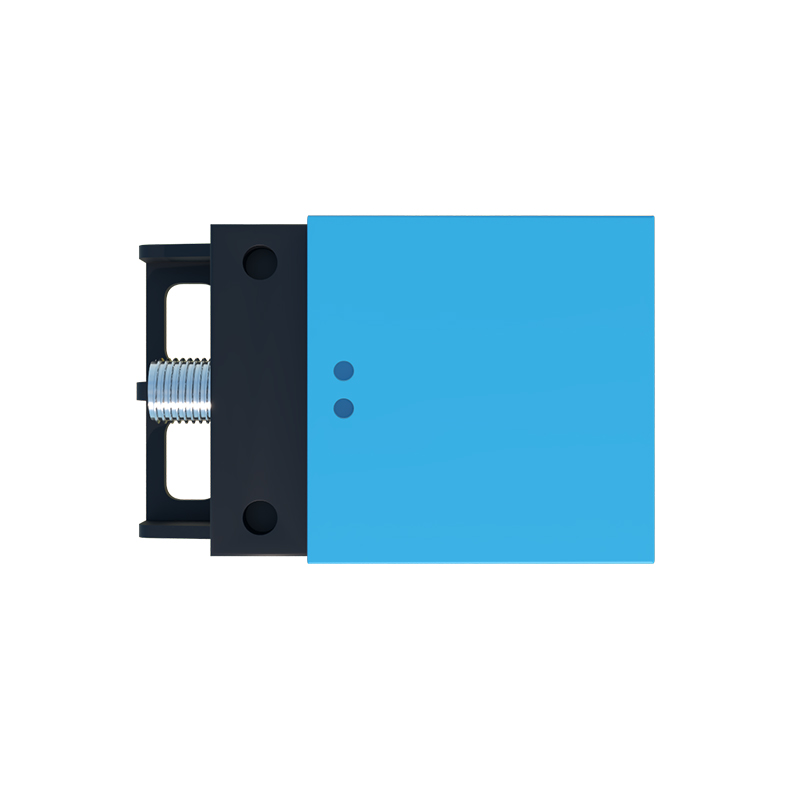
Installation and maintenance are straightforward, contributing to their low total cost of ownership. Proper mounting is essential to avoid false triggers from nearby metal or sensor misalignment. Regular cleaning of the sensing face to remove debris and periodic checks for wiring integrity can prevent unexpected downtime. Although these sensors are less likely to have diagnostic capabilities, their simplicity often translates to easier troubleshooting.
The market for economical proximity sensors is driven by small to medium-sized enterprises (SMEs), educational institutions, and large corporations seeking to standardize cost-sensitive lines. They are extensively used in packaging, material handling, automotive assembly, and consumer electronics manufacturing. As Industry 4.0 and IoT adoption grow, even budget sensors are increasingly incorporating basic connectivity options, such as IO-Link, allowing for simple data exchange without significant price inflation.
In conclusion, economical proximity sensors are indispensable tools that democratize automation. By focusing on essential detection functions and reliable construction, they provide an optimal balance between performance and expenditure. Engineers and procurement specialists should evaluate these sensors not as inferior alternatives but as purpose-built solutions for a vast array of routine industrial applications, where they deliver consistent results and contribute to lean, efficient operations without straining capital budgets.