Laser leakage sensors are critical components in modern industrial safety and monitoring systems, designed to detect the escape of laser radiation beyond intended boundaries. These sensors operate on the principle of capturing scattered or direct laser light that deviates from its primary path, converting it into an electrical signal for immediate analysis. In industrial settings, such as manufacturing lines, medical equipment, and research laboratories, lasers are widely used for cutting, welding, measurement, and diagnostics. However, unintended laser leakage can pose severe risks, including eye damage, skin burns, fire hazards, and equipment malfunction. To mitigate these dangers, laser leakage sensors employ advanced photodetectors, such as photodiodes or avalanche photodiodes, which are sensitive to specific laser wavelengths, typically ranging from ultraviolet to infrared spectra.
The core functionality of these sensors involves continuous monitoring of the laser environment. When a leak is detected, the sensor triggers an alarm, shuts down the laser source, or activates protective barriers, ensuring compliance with international safety standards like IEC 60825. Key features include high sensitivity, fast response times (often in microseconds), and immunity to ambient light interference, achieved through optical filters and signal processing algorithms. For instance, in semiconductor fabrication, where precision lasers etch microchips, even minor leakage can ruin entire batches; here, sensors with real-time feedback loops are integrated into control systems to maintain operational integrity. Similarly, in medical laser therapies, sensors safeguard patients and practitioners by detecting stray radiation from devices used in surgeries or dermatology.
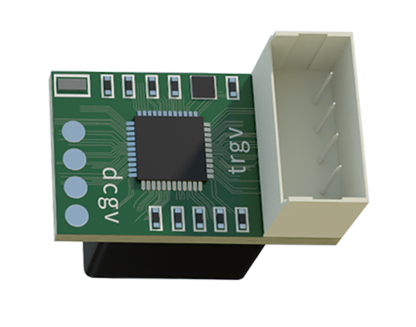
Installation and calibration are crucial for optimal performance. Sensors must be positioned strategically around laser equipment, considering factors like beam divergence, reflection surfaces, and potential leakage points. Regular maintenance, including cleaning of optical components and verification of detection thresholds, ensures long-term reliability. Emerging trends in laser leakage sensing incorporate IoT connectivity, allowing remote monitoring and data logging for predictive maintenance. Additionally, miniaturized sensors are being developed for portable devices, expanding applications in field operations and consumer electronics. Despite advancements, challenges remain, such as detecting low-power leaks in noisy environments or adapting to new laser technologies like ultrafast pulses. Ongoing research focuses on enhancing sensor accuracy through machine learning algorithms that analyze leakage patterns and reduce false positives.
In conclusion, laser leakage sensors are indispensable for safe laser utilization across industries. By providing early warning of radiation hazards, they protect human health, prevent costly downtime, and uphold regulatory compliance. As laser applications evolve, so will sensor technologies, driving innovation in safety and efficiency. Engineers and operators should prioritize selecting appropriate sensors based on laser type, environment, and risk assessment, ensuring a secure and productive workflow.
