Proximity sensors, the silent workhorses of automation, have evolved far beyond simple object detection. These non-contact devices, employing technologies like inductive, capacitive, ultrasonic, and photoelectric principles, are fundamental to modern industrial efficiency, safety, and smart system design. Examining real-world case studies reveals their transformative impact across diverse sectors. This analysis delves into specific applications, highlighting the problem-solving capabilities and return on investment these sensors deliver.
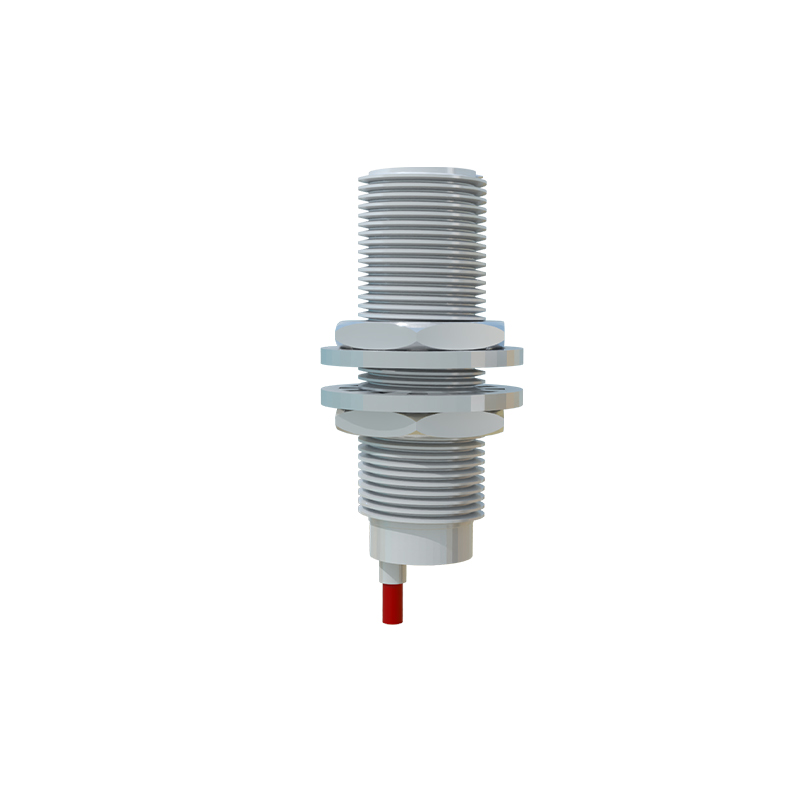
In the automotive manufacturing sector, a major European assembly line faced significant challenges with robotic welding cells. The precise positioning of vehicle body panels before welding was critical. Manual verification was slow and prone to human error, leading to misalignments that caused rework and downtime. The solution involved integrating robust inductive proximity sensors at key fixture points. These sensors were tasked with detecting the presence and exact seating of metal panels before the welding robots were activated. The result was a dramatic reduction in alignment faults by over 99.7%. The non-contact nature of the sensors eliminated wear and tear, and their immunity to the harsh environment of sparks and metal debris ensured long-term reliability. This implementation not only improved product quality but also increased the line's overall equipment effectiveness (OEE) by enabling faster, error-free cycle initiation.
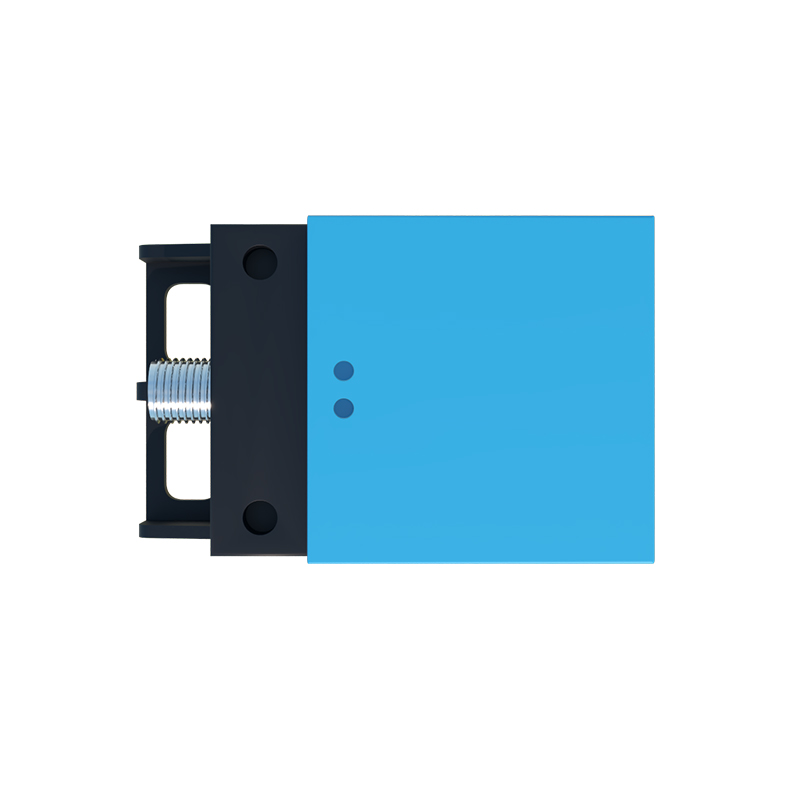
The food and beverage industry presents a unique set of challenges, including stringent hygiene requirements and the handling of diverse materials, from metal cans to glass bottles and plastic containers. A bottling plant for a soft drink company struggled with inconsistent fill levels. The issue was traced to the variable height of plastic bottles on the conveyor, which caused the filling nozzles to engage incorrectly. Capacitive proximity sensors were identified as the ideal solution. Unlike inductive sensors that only detect metals, capacitive sensors can detect liquids and plastics through container walls. Sensors were mounted above the conveyor to detect the top of each bottle accurately, regardless of minor variations in bottle shape or orientation. This signal was then fed to the filling machine's controller to precisely lower the nozzles to a consistent height above the bottle mouth. This case study underscores the importance of selecting the correct sensor technology; the capacitive sensors' ability to detect the plastic material itself solved the problem, reducing product waste by approximately 15% and ensuring consistent fill volume compliance.
A compelling case in the realm of smart infrastructure involves parking garage management. A large urban parking facility experienced congestion at entry and exit points, and drivers wasted time searching for empty spots. The facility management deployed an ultrasonic sensor network. At the entrance and on each parking level, ultrasonic sensors mounted overhead accurately detected the presence of vehicles in individual spaces. This real-time data was aggregated and displayed on dynamic signage at aisle entrances, showing drivers the exact number of available spots on each floor. Furthermore, the sensors at the entry and exit gates provided precise vehicle counting for occupancy management. The outcome was a 40% reduction in the time drivers spent searching for parking, a significant decrease in fuel consumption and emissions within the garage, and improved customer satisfaction. The data collected also provided valuable analytics for peak usage times and space utilization trends.
Safety is a paramount application, illustrated by a case in heavy machinery. A paper mill using large rolling drums had a critical need to protect maintenance personnel. The machinery required a safety perimeter where any unauthorized entry would trigger an immediate shutdown. Light curtains, a type of photoelectric proximity safety device, were installed around the hazardous area. These systems create an invisible wall of infrared light beams. If a person or object breaks any beam while the machine is in operation, a signal is sent to the machine's safety relay to initiate a controlled stop. This application moved beyond simple detection to enabling safe interaction with machinery. It allowed for necessary human access during setup or maintenance only when the system was in a safe state, fundamentally protecting worker safety and helping the mill comply with rigorous occupational safety regulations.
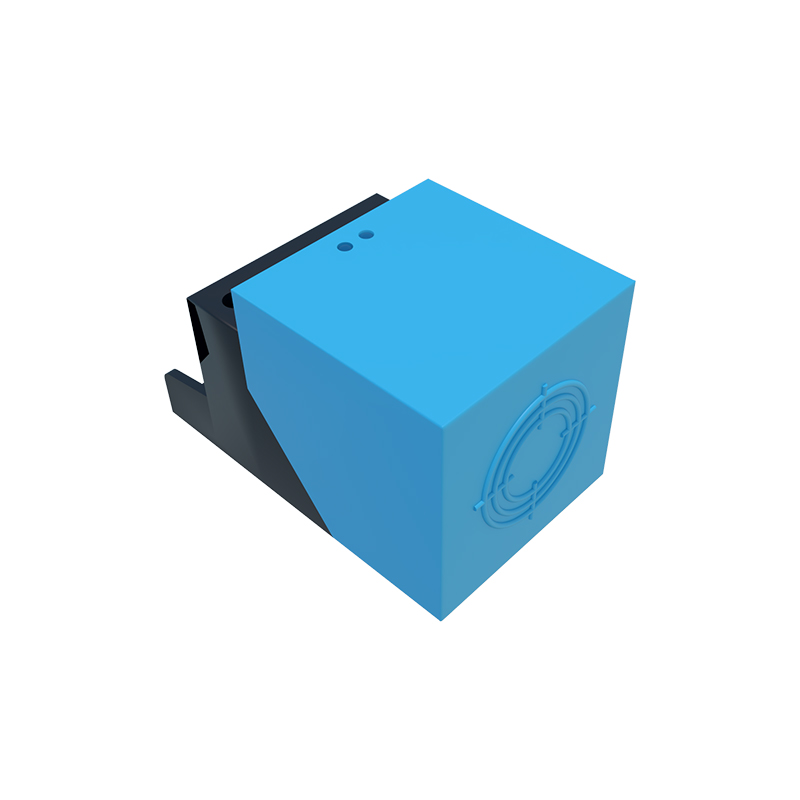
These case studies demonstrate that successful proximity sensor implementation hinges on a clear understanding of the application's core requirements: the target material, required sensing range, environmental conditions (temperature, contaminants), and the needed response speed. The automotive case relied on inductive sensors for rugged, metal-only detection. The bottling plant required the material versatility of capacitive sensors. The parking garage needed the longer range and overhead mounting capability of ultrasonics, while the safety application demanded the high-integrity, multi-beam protection of photoelectric light curtains. Each example confirms that proximity sensors are not merely components but strategic tools for enhancing precision, efficiency, safety, and data intelligence in increasingly automated environments.