In the world of automotive repair, manufacturing, and warehousing, lift systems are indispensable. Their reliable and safe operation is non-negotiable, and a critical, often unsung hero in ensuring this is the lift proximity switch sensor. These compact electronic devices play a pivotal role in modernizing lift control, enhancing safety protocols, and preventing costly equipment damage. Unlike traditional mechanical limit switches, proximity sensors operate without physical contact, using electromagnetic fields or infrared beams to detect the presence or absence of a metal target. This contactless nature translates to significantly reduced wear and tear, higher reliability, and longer service life.
The core function of a lift proximity sensor is to provide precise positional feedback to the lift's control system. Typically installed at key points along the lift's travel path—such as the fully lowered position, fully raised position, and often at intermediate safety checkpoints—these sensors detect when the lift carriage or platform reaches a specific height. For instance, when a two-post lift lowers a vehicle, a sensor at the base sends a signal to the control unit once the arms are a few inches from the ground. This signal can initiate a controlled slowdown and a gentle stop, preventing a jarring impact. Similarly, a sensor at the maximum lift height ensures the system does not over-travel, which could strain cables, hydraulics, or mechanical stops, posing a severe safety risk.
Several types of proximity sensors are employed in lift systems, with inductive and magnetic (reed switch or Hall effect) types being the most common. Inductive proximity sensors are ideal for detecting the metal structure of the lift itself. They generate an oscillating electromagnetic field; when a metal target enters this field, it causes a change in oscillation, triggering the sensor's output switch. These are robust, resistant to dirt, oil, and coolant splashes commonly found in workshops. Magnetic sensors, on the other hand, are often used in conjunction with a magnet mounted on a moving part. They detect the magnetic field's presence and are excellent for applications requiring very precise repeatability. The choice depends on factors like required sensing distance, environmental conditions, and the material of the target.
The benefits of integrating high-quality proximity switch sensors into a lift system are substantial. Primarily, they are a cornerstone of operational safety. By providing accurate limit detection, they form a primary or secondary safety layer that helps prevent catastrophic failures like platform collapse or motor overload. This protects both technicians and valuable assets, such as vehicles or inventory. Secondly, they contribute to smoother, more efficient operation. The soft-stop functionality enabled by sensor feedback reduces stress on mechanical components, leading to less downtime for maintenance and lower long-term operating costs. Furthermore, the precision they offer allows for programmable intermediate stops, useful in assembly lines or for positioning loads at ergonomic working heights.
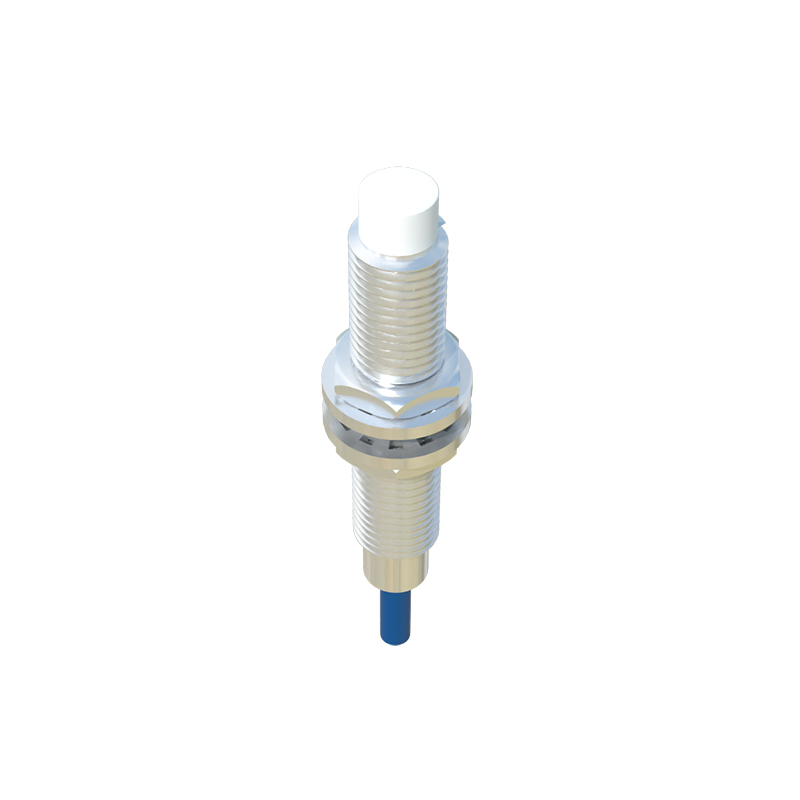
However, like all components, proximity sensors require consideration for optimal performance. Installation is critical; sensors must be securely mounted and properly aligned with their target to ensure consistent detection. The sensing distance must be correctly specified for the application—too short, and it may fail to detect; too long, and it might trigger falsely. Environmental factors are also key. While many sensors are built to withstand harsh industrial environments, excessive buildup of metallic debris near an inductive sensor or strong external magnetic fields can interfere with operation. Regular inspection as part of a preventive maintenance schedule is recommended to check for physical damage, loose connections, or contamination.
When a lift begins to exhibit problems like failing to stop at the correct height, hesitating during operation, or triggering error codes, a faulty proximity sensor is a common culprit. Troubleshooting often involves a simple process. Technicians can use a multimeter to check for a change in the sensor's output state (e.g., switching voltage) as the target passes by. Visual inspection for damage or misalignment is also a first step. Replacing a failed sensor is typically straightforward, but it is crucial to use an OEM-specified or equivalent part with the correct voltage rating, output type (normally open or closed), and physical form factor.
In conclusion, lift proximity switch sensors are far more than minor electronic parts. They are intelligent sentinels that enable the precise, reliable, and safe control of essential lifting equipment. Their adoption represents a significant advancement from purely mechanical control systems, offering enhanced protection for both personnel and machinery. For facility managers, shop owners, and maintenance professionals, understanding the function and importance of these sensors is key to ensuring operational continuity, maximizing equipment lifespan, and upholding the highest safety standards in any environment that relies on lift technology.