Proximity sensors have become an indispensable component in modern industrial automation, consumer electronics, and smart systems. These devices detect the presence or absence of an object within a specific range without any physical contact. The core principle involves emitting an electromagnetic field, beam, or acoustic wave and analyzing the changes in the return signal or field to determine an object's proximity. This non-contact operation offers significant advantages, including reduced mechanical wear, higher reliability, and the ability to detect objects in harsh or sterile environments.
The technology landscape of proximity sensors is diverse, primarily categorized by their detection method. Inductive proximity sensors are workhorses in industrial settings. They generate an oscillating electromagnetic field and detect eddy current losses induced in conductive metallic targets. Ideal for detecting metals, they are robust, resistant to environmental contaminants like dust and oil, and offer high switching frequencies. Common applications include position sensing in machine tools, part counting on conveyor belts, and limit switching.
Capacitive proximity sensors, on the other hand, can detect both metallic and non-metallic materials, including liquids, powders, plastics, and wood. They function by measuring changes in capacitance between the sensor's electrode and the ground. When an object enters the sensing field, it alters the dielectric constant, triggering detection. This makes them perfect for level detection in tanks, material handling, and touch-sensitive interfaces.
For longer-range detection and sensing of non-metallic objects, photoelectric sensors are the preferred choice. They consist of a light emitter (usually LED or laser) and a receiver. The three main operating modes are through-beam (separate emitter and receiver), retro-reflective (uses a reflector), and diffuse (reflective), where the sensor detects light reflected from the target itself. They excel in packaging automation, object counting, and safety light curtains.
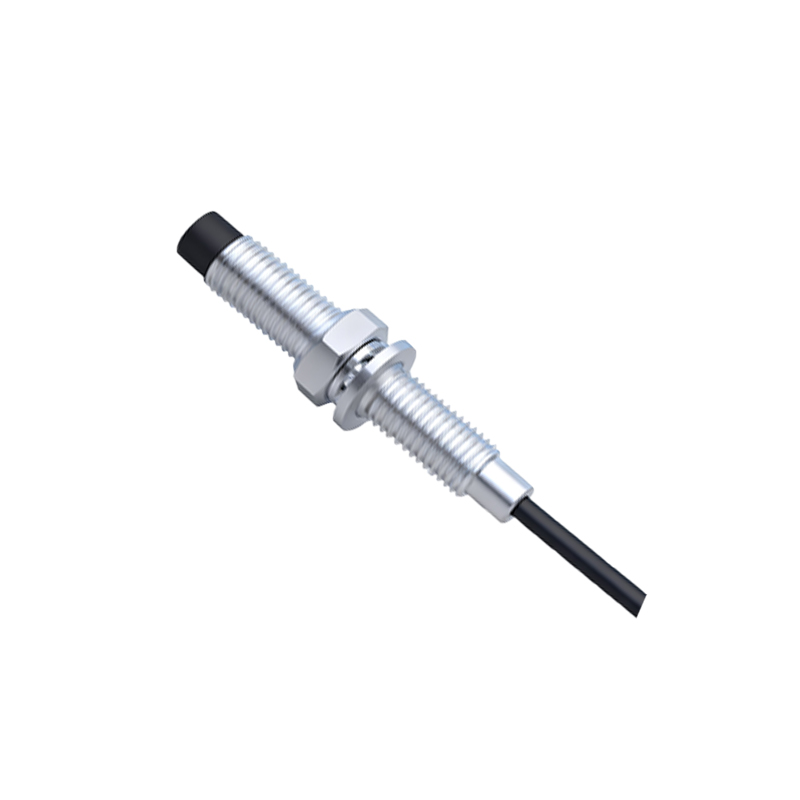
Ultrasonic sensors use sound waves beyond the human hearing range. They measure the time interval between emitting a sonic pulse and receiving its echo to calculate distance. Highly effective for precise distance measurement and level sensing of liquids or bulk solids, they perform well in environments with smoke, dust, or varying light conditions, though they can be affected by temperature and air turbulence.
The selection of a proximity sensor depends on several critical factors: the nature of the target material (metal, plastic, liquid), the required sensing distance, the operating environment (temperature, presence of contaminants), the required response speed, and installation constraints. Engineers must also consider output types (digital NPN/PNP, analog) and housing materials for specific industrial durability.
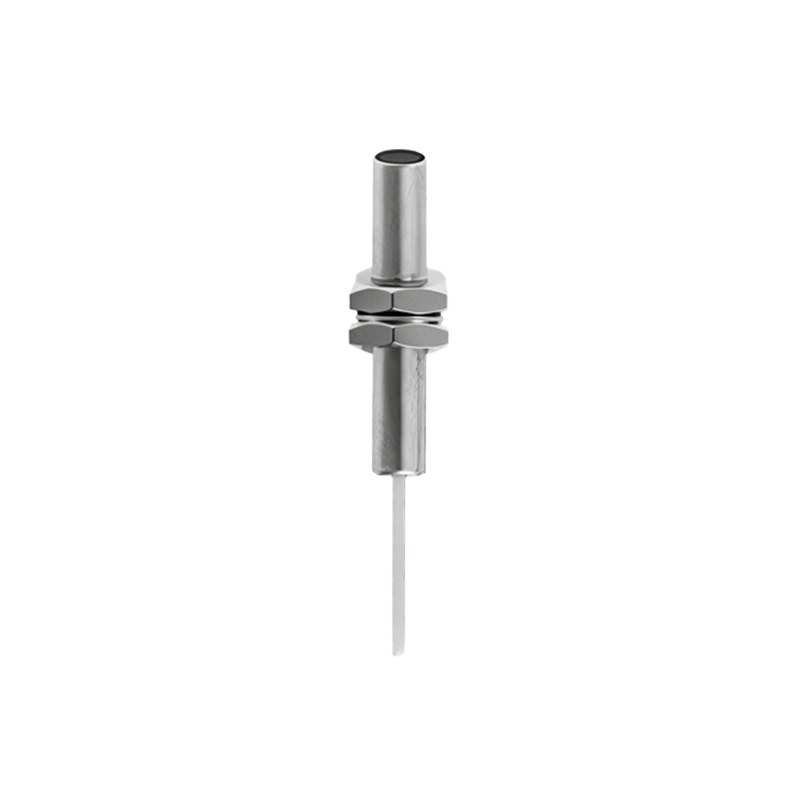
Applications are vast and growing. In automotive manufacturing, inductive sensors ensure precise robotic welding and part positioning. In consumer electronics, miniature capacitive sensors enable touchless gesture control and screen blanking during phone calls. The food and beverage industry relies on capacitive and ultrasonic sensors for hygienic level control. Furthermore, the rise of the Internet of Things (IoT) and Industry 4.0 is driving the integration of smart proximity sensors with wireless connectivity and data analytics capabilities. These "smart sensors" can provide diagnostic information, predict maintenance needs, and optimize processes in real-time.
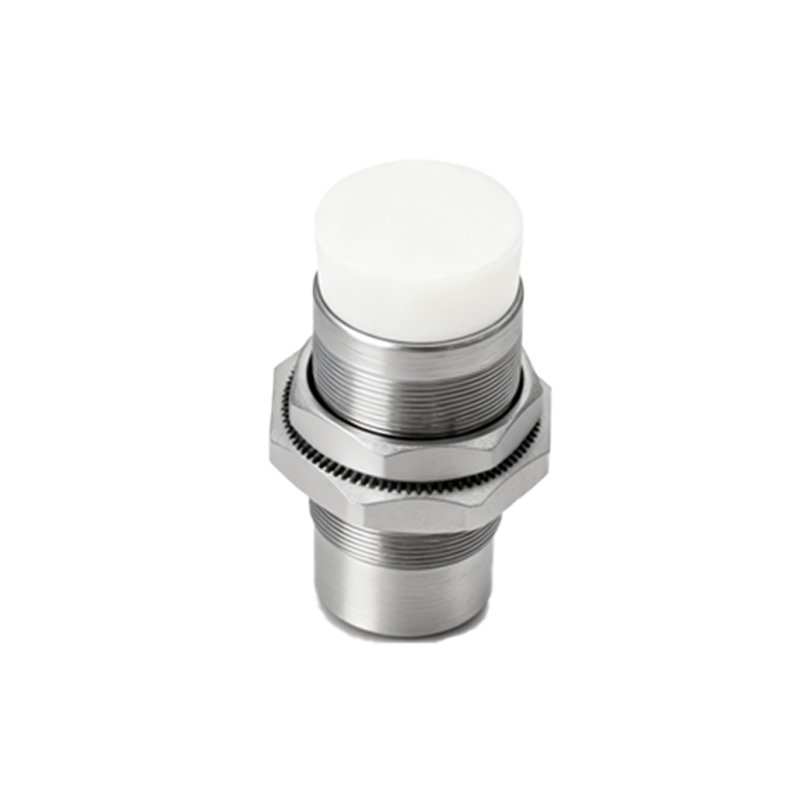
Looking ahead, the future of proximity sensing is geared towards miniaturization, enhanced intelligence, and multi-functionality. Developments in MEMS (Micro-Electro-Mechanical Systems) technology are creating smaller, lower-power sensors for wearable and portable devices. Sensor fusion, combining proximity data with inputs from accelerometers or cameras, will enable more sophisticated context-aware systems. Additionally, advancements in materials science may lead to sensors with improved resistance to extreme conditions and greater sensitivity. As automation penetrates deeper into logistics, healthcare, and smart cities, the demand for reliable, accurate, and connected proximity sensing solutions will only intensify, solidifying their role as the silent sentinels of the automated world.