In the realm of industrial automation and machine safety, the reliable detection of objects without physical contact is paramount. Among the myriad of sensing solutions available, the GU-D5 proximity sensor stands out as a robust and versatile component widely adopted across various sectors. This article delves into the technical specifications, operational principles, and practical applications of the GU-D5, providing engineers and technicians with a detailed overview of this critical device.
The GU-D5 is a cylindrical, inductive proximity sensor designed for non-contact detection of metallic objects. Its core operating principle is based on electromagnetic induction. The sensor generates a high-frequency oscillating electromagnetic field from its active face. When a metallic target enters this field, eddy currents are induced on the target's surface. This causes a change in the oscillation amplitude within the sensor's internal LC circuit. A dedicated evaluation circuit detects this change and triggers a solid-state switching output, signaling the presence of the object. This mechanism allows for highly reliable detection, immune to environmental factors like dust, oil, and non-metallic debris, making it ideal for harsh industrial environments.
Key specifications typically define the GU-D5's performance envelope. It commonly operates on a DC supply voltage range, such as 10-30V DC, with a low residual current in the off-state. The sensing distance, a critical parameter, is standardized; for a standard GU-D5 model, this is often 5mm for a mild steel (Fe360) target of a specified size. It is crucial to note that the effective sensing range can vary with different metals—for instance, it reduces for stainless steel and increases for copper or aluminum. The sensor features a Normally Open (NO) or Normally Closed (NC) output configuration, typically as a 3-wire design (brown: +V, blue: 0V, black: signal output) complying with international color codes. Its housing is usually constructed from nickel-plated brass or stainless steel, offering high resistance to mechanical stress and corrosion. The protection rating often reaches IP67, ensuring functionality despite washdowns or temporary immersion.
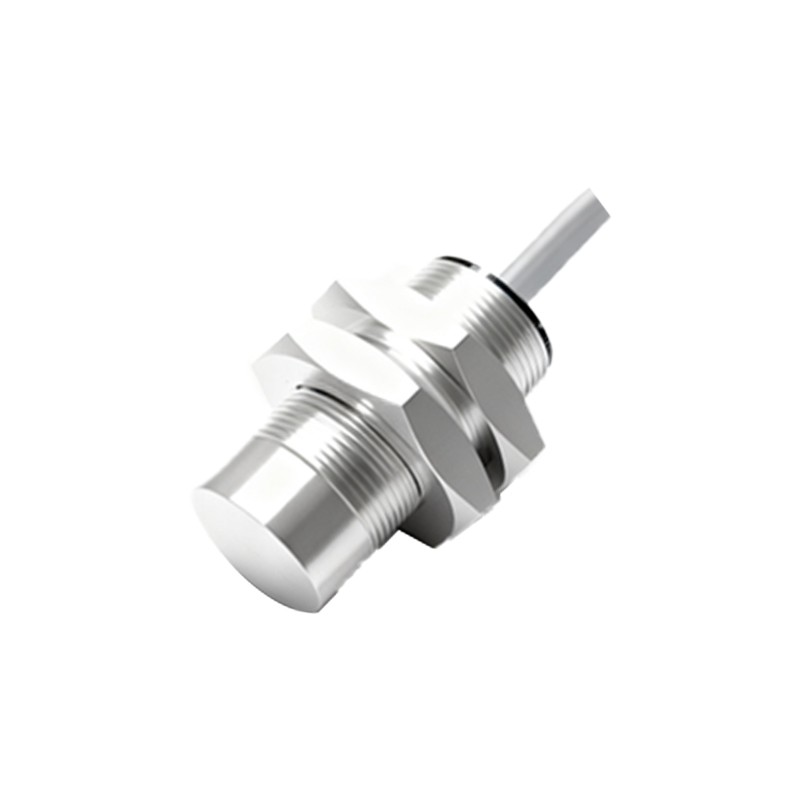
Installation and wiring are straightforward but require attention to detail. The sensor should be mounted securely, ensuring the target approaches the active face axially. Adequate clearance from surrounding metal (a non-sensing zone) must be maintained to prevent false triggering. For wiring, correct polarity must be observed: connect the brown wire to the positive DC supply, the blue wire to the negative/0V, and the black wire to the load (e.g., a PLC input module or a relay coil). A protective fuse or circuit breaker in the supply line is recommended. For optimal performance in electrically noisy environments, using shielded cables with the shield grounded at one end is advisable.
The applications for the GU-D5 proximity sensor are extensive. In automotive assembly lines, they are used for part presence verification, end-of-stroke detection on cylinders, and rotary speed monitoring. In packaging machinery, they detect metal components on conveyors, control filling levels, and ensure proper cap placement. Within metalworking and CNC machinery, they serve as precise tool position sensors, workpiece counters, and safety interlocks on guards. Their robustness also makes them suitable for material handling systems, robotic cell positioning, and as replacements for mechanical limit switches, thereby eliminating wear and tear.
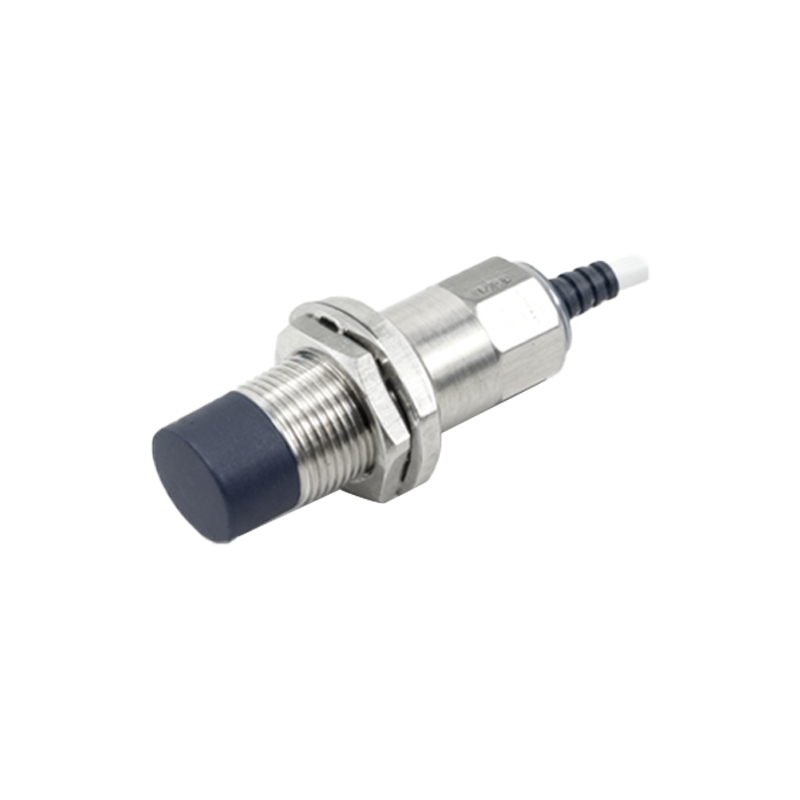
When selecting a GU-D5 sensor for a specific task, several factors must be considered. First, identify the target material and required sensing distance. For non-ferrous metals, a factor correction must be applied. Second, consider the operating environment: temperature extremes, potential chemical exposure, and risk of physical impact will influence the choice of housing material and protection rating. Third, ensure the electrical characteristics (voltage, output type—PNP or NPN, current rating) are compatible with the control system. Finally, the physical size and mounting style (threaded barrel) must fit the mechanical design constraints.
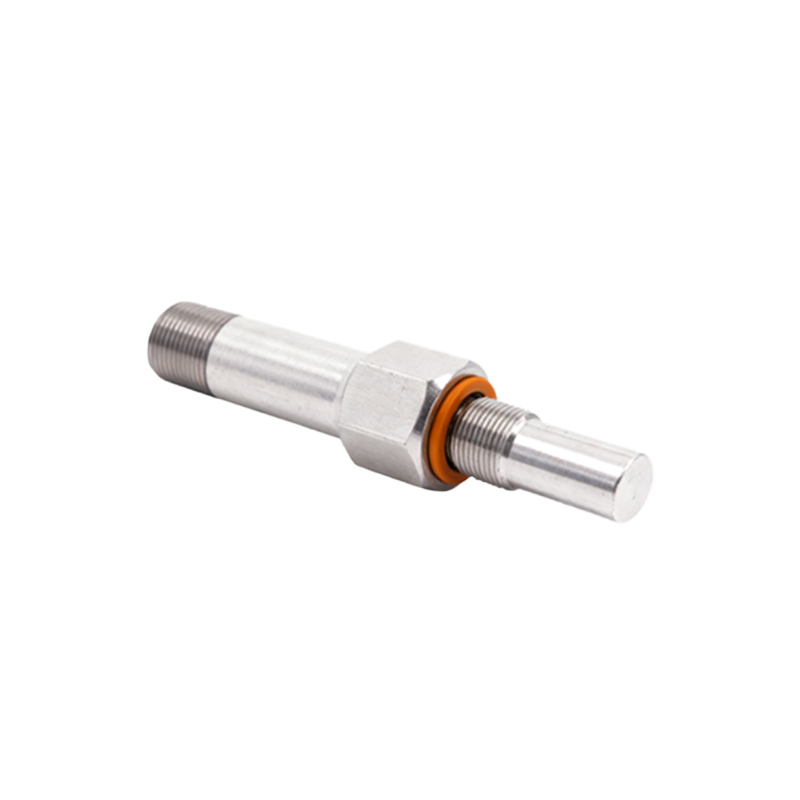
Troubleshooting common issues often involves a systematic approach. If the sensor fails to detect, verify the power supply voltage and polarity. Check for the presence of the target within the specified sensing range and ensure it is made of a detectable metal. Inspect the wiring for loose connections or shorts. If the sensor triggers intermittently, investigate potential sources of electrical interference or the presence of vibration that might cause a non-target metal to enter the sensing field. A multimeter can be used to check the output state relative to the supply.
In conclusion, the GU-D5 inductive proximity sensor is a fundamental building block in modern industrial control systems. Its durability, reliability, and simplicity make it an indispensable tool for engineers seeking to automate processes, enhance safety, and improve operational efficiency. By understanding its technology and adhering to proper selection and installation practices, professionals can leverage the full potential of this sensor to create robust and responsive automated solutions. As Industry 4.0 and smart