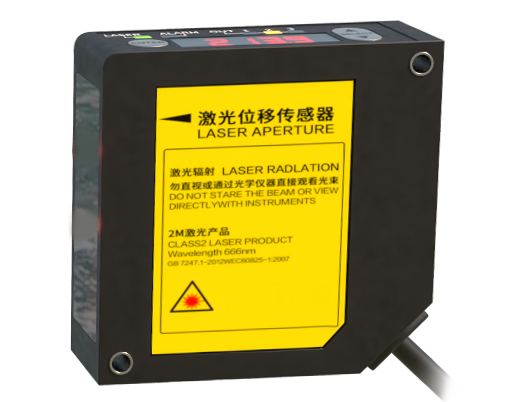
In the high-stakes world of industrial laser cutting, the sensor cavity is not merely a housing; it is a critical component that safeguards the system's eyes and ears. The design and manufacturing of these cavities directly influence the accuracy, reliability, and longevity of the entire cutting operation. As an electrical engineer specializing in industrial automation, I have witnessed firsthand the evolution of these components from simple protective boxes to sophisticated, integrated subsystems.
The primary function of a laser cutting sensor cavity is to protect sensitive optical and electronic components—such as capacitive or inductive proximity sensors, photodiodes, and sometimes even miniature cameras—from the harsh operational environment. This environment is characterized by extreme temperatures, pervasive dust and metal particulates (especially from processes like cutting stainless steel or aluminum), molten slag spatter, and intense electromagnetic interference (EMI) generated by the high-power laser source and rapid servo movements. A poorly designed cavity can lead to sensor drift, false triggers, or complete failure, resulting in costly downtime, material waste, and compromised cut quality.
Material selection is the foundational decision. Aluminum alloys, particularly 6061-T6, are prevalent due to their excellent strength-to-weight ratio, good machinability, and superior thermal conductivity, which helps dissipate heat from both the internal electronics and external radiant heat. For applications involving highly corrosive coolants or specific chemical agents, stainless steel (e.g., 304 or 316) may be mandated, though it adds weight and cost. Advanced composites are emerging for ultra-high-temperature zones, offering exceptional thermal stability.
The engineering design process must address several key challenges simultaneously. Hermetic sealing is paramount. This is achieved through the use of high-temperature O-rings, gaskets, and meticulously machined sealing surfaces to create an IP67 or higher rated enclosure, preventing ingress of microscopic abrasive dust. Thermal management is equally critical. Strategic placement of cooling channels or fins, often integrated with the machine's chiller system, is essential to maintain the internal temperature within the sensor's specified operating range. Passive cooling through careful fin design on the external surface is also a common practice.
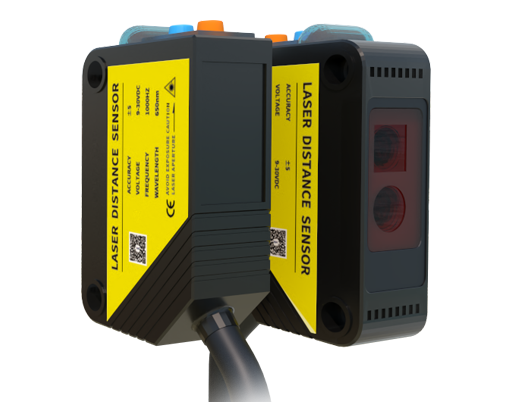
EMI/RFI shielding cannot be an afterthought. The cavity itself acts as a Faraday cage. This requires attention to detail: conductive gaskets on access panels, proper grounding of the cavity to the machine frame, and the use of shielded cable glands for all electrical penetrations. Any aperture, such as a window for an optical sensor, must be fitted with a conductive mesh or a specially coated glass that maintains the shield's continuity.
Internal mounting and vibration isolation are subtle yet vital aspects. Sensors must be securely mounted to prevent movement from machine vibrations, which can be significant during rapid axis acceleration. However, this mounting often incorporates elastomeric dampeners to isolate high-frequency vibrations that could damage sensitive components or induce electrical noise.
Finally, maintainability dictates the mechanical design. Quick-access panels secured by captive screws allow for rapid inspection and cleaning without complete disassembly. All internal components should be laid out logically, with clear cable routing paths to prevent pinching and facilitate troubleshooting.
The integration of the sensor cavity with the machine's control system is the final step. Pre-wired connectors, often using robust M12 or M23 standards, ensure reliable signal transmission. Modern designs may include integrated signal conditioners or amplifiers within the cavity to boost weak sensor signals before they travel through potentially noisy cable runs to the main PLC.
In conclusion, the laser cutting sensor cavity is a masterpiece of applied engineering, where mechanical design, materials science, thermal dynamics, and electromagnetic theory converge. Its successful execution is not about over-engineering with excessive material but about intelligent, precise design that anticipates and mitigates every environmental threat. Investing in a well-engineered sensor cavity is, fundamentally, an investment in the unwavering precision and uptime of the laser cutting system itself. The cavity ensures that the system's critical sensors continue to provide the accurate, real-time data upon which modern automated manufacturing utterly depends.