In modern industrial automation, robotics, and smart systems, photoelectric proximity sensors are indispensable components for non-contact detection. Their ability to reliably sense the presence, absence, or distance of an object without physical contact is crucial for efficiency and precision. However, designing, integrating, and troubleshooting these sensors in complex real-world applications can be challenging and costly. This is where simulation becomes a powerful tool. Photoelectric proximity sensor simulation involves creating a virtual model of the sensor and its operating environment to predict, analyze, and optimize its performance before physical deployment.
The core principle of photoelectric proximity sensing is based on the emission of a light beam—typically infrared, visible red, or laser—and the detection of changes in the received light signal. A simulated model must accurately replicate these physical phenomena. This includes modeling the light source characteristics (wavelength, intensity, beam pattern), the optical path (including potential beam divergence), the properties of the target object (reflectivity, color, material, surface geometry), and the photodetector's response. Environmental factors such as ambient light interference, dust, fog, or other obstructions must also be incorporated into a high-fidelity simulation. Advanced simulations use ray tracing or radiometry algorithms to model how thousands of light rays interact with surfaces, providing a detailed analysis of the light signal's behavior.
Several methods are employed for simulating these sensors, each with varying levels of complexity and application focus. The first is mathematical modeling using software like MATLAB or Simulink. Here, the sensor is represented by transfer functions and equations that describe the relationship between the target's position and the sensor's output signal. This method is excellent for system-level analysis, control loop design, and understanding fundamental behaviors like response time and sensing range thresholds. The second, and more visually intuitive method, is 3D electro-optical simulation within specialized software platforms such as OpticStudio by Zemax, TracePro, or even integrated modules in broader robotic simulation suites like Siemens NX, RobotStudio, or Visual Components. These tools allow engineers to place a detailed 3D model of the sensor into a virtual replica of the machine or production line. They can then test detection of moving parts of various shapes and colors, simulate misalignment, and evaluate the sensor's performance under different lighting conditions.
The practical applications of photoelectric sensor simulation are vast and drive significant value. In the design phase, simulation helps in selecting the correct sensor type (diffuse, retro-reflective, or through-beam) and specifying its optimal technical parameters for a given task. It allows for virtual prototyping, reducing dependency on physical prototypes and accelerating the development cycle. For system integrators and machine builders, simulation is invaluable for offline programming and commissioning. A complete digital twin of a manufacturing cell can be created where the logic and positioning of sensors are tested and validated against the CAD models of products and machinery. This prevents costly collisions, ensures reliable detection sequences, and minimizes downtime during physical installation. Furthermore, simulation is a powerful tool for diagnostics and training. Technicians can use simulated environments to understand failure modes—like a highly reflective surface causing false triggers or a glossy object deflecting the beam away from the detector—and learn troubleshooting procedures in a risk-free setting.
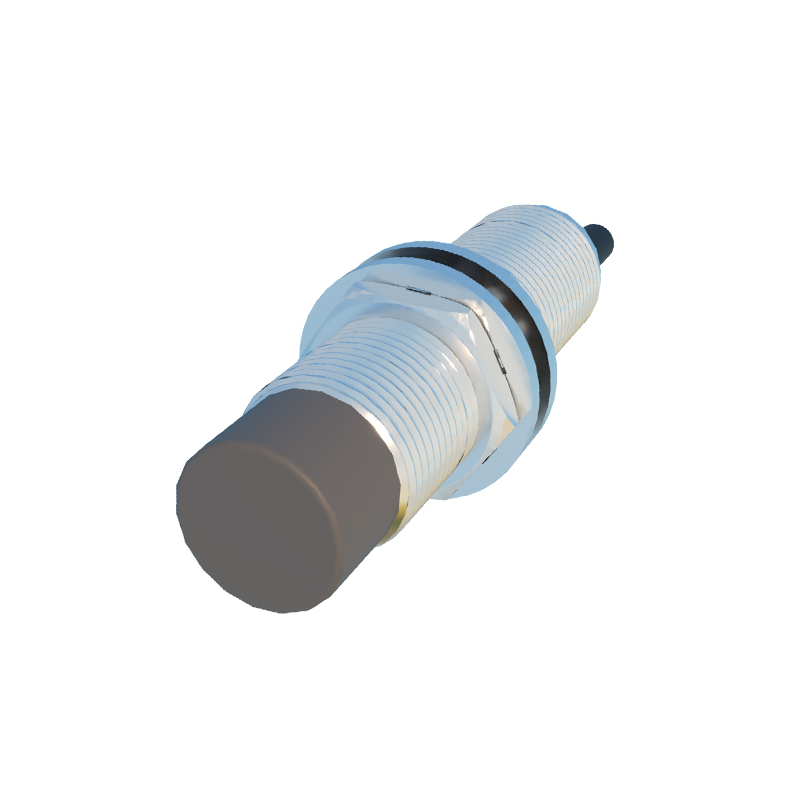
Despite its advantages, effective simulation requires careful attention to detail. The accuracy of the simulation is directly tied to the quality of the input parameters. Real-world sensor data sheets provide essential specifications, but material properties in the virtual world must be calibrated to match reality. Computational resources can also be a constraint for highly detailed ray-tracing simulations of large, complex scenes. Therefore, a balanced approach is often necessary, using high-fidelity simulation for critical or problematic detection scenarios and simpler models for system-level verification.
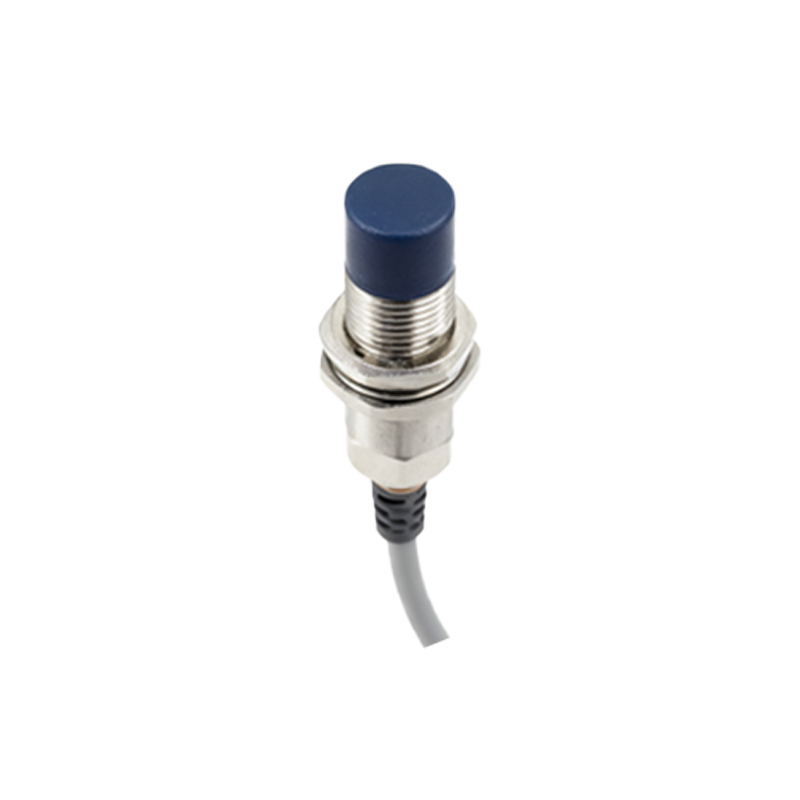
In conclusion, photoelectric proximity sensor simulation represents a convergence of optical physics, software engineering, and industrial application knowledge. It transforms sensor integration from a trial-and-error hardware process into a predictable, data-driven engineering discipline. By leveraging these virtual tools, engineers can enhance system reliability, improve safety, reduce costs, and foster innovation in the development of next-generation automated systems. As digital twin technology and simulation software continue to advance, their role in the lifecycle of sensor-based systems will only become more profound and essential.