In the realm of municipal sanitation, proximity sensors have become indispensable components for modern refuse collection vehicles, sweepers, and other specialized equipment. These sensors, often captured in detailed images, play a critical role in enhancing operational safety, preventing collisions, and optimizing workflow efficiency. High-quality images of proximity sensors installed on sanitation vehicles provide valuable insights into their application, technology, and benefits.
A typical proximity sensor image for a sanitation vehicle showcases a compact, robust device mounted on strategic points of the vehicle's body. Common mounting locations include the rear bumper, side panels near compaction mechanisms, and the front grille. The visual documentation often highlights the sensor's housing, designed to withstand harsh environmental conditions such as dust, moisture, vibration, and temperature extremes. These images reveal key features like the sensing face, LED indicators for operational status, and the wiring harness connection point. The industrial design is usually utilitarian, prioritizing durability over aesthetics, with materials like hardened plastics or metals featuring IP67 or higher ingress protection ratings.
Technologically, these images often depict ultrasonic or radar-based sensors, which are prevalent in this sector due to their reliability and cost-effectiveness. An ultrasonic sensor image might show a circular transducer, while a radar sensor could appear as a small, rectangular module. Some advanced systems incorporate camera-based or LiDAR sensors, whose images display more complex assemblies with lenses or scanning units. The imagery helps in understanding the sensor's field of view and detection range, which is crucial for applications like detecting obstacles during reversing maneuvers, ensuring the safe operation of automated lifting arms, or preventing compaction chamber overfilling.
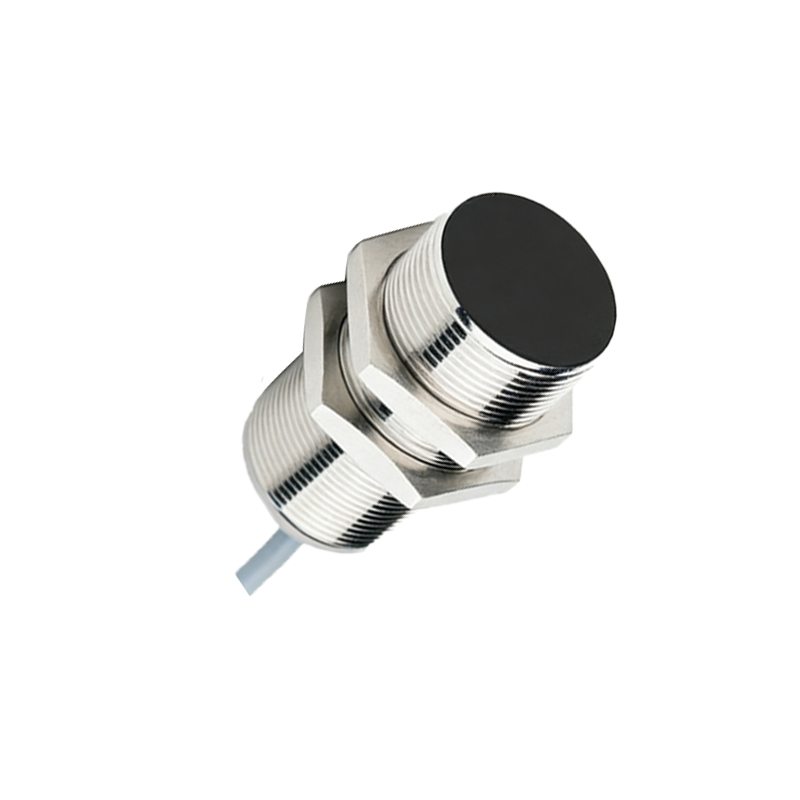
The practical utility of these sensor images extends beyond mere identification. For maintenance technicians and fleet managers, detailed photographs serve as essential references for installation, troubleshooting, and replacement procedures. They illustrate correct alignment angles, clearance requirements, and potential interference sources from other vehicle components. Furthermore, comparative images showing different sensor models or generations can aid in procurement decisions and system upgrades.
From a safety perspective, images effectively demonstrate how these sensors integrate into the vehicle's overall safety ecosystem. It is common to see images where sensor placement is correlated with blind spot diagrams, showing the areas monitored to protect pedestrians, cyclists, and property during collection routes. Annotated images might point out how sensor signals are relayed to in-cab auditory or visual alarm systems, displaying icons on a dashboard monitor that graphically represent detected obstacles.
In summary, proximity sensor imagery for sanitation vehicles is a vital educational and technical resource. It bridges the gap between theoretical specifications and real-world application, offering a clear visual narrative of how technology safeguards personnel, equipment, and the public while streamlining critical municipal services. The continued evolution of sensor technology will undoubtedly be reflected in future images, showcasing even more integrated and intelligent systems for the sanitation industry.