Proximity sensors have become an indispensable component in modern industrial automation, consumer electronics, and automotive systems. These devices detect the presence or absence of an object within a specific range without any physical contact. The term "embedded proximity sensor" refers to sensors that are integrated directly into a system's architecture, often becoming a seamless, invisible part of the final product. This integration is crucial for design aesthetics, durability, and functionality.
The core principle behind most proximity sensors involves emitting a field or beam of electromagnetic radiation, such as infrared light, or an electromagnetic field, and then looking for changes in the field or return signal. The most common types include inductive, capacitive, photoelectric, and ultrasonic sensors. Inductive sensors are workhorses in industrial settings, detecting metallic objects through a magnetic field. Capacitive sensors can detect both metallic and non-metallic materials, including liquids and powders, by sensing changes in capacitance. Photoelectric sensors use light beams, making them ideal for longer ranges and detecting various materials. Ultrasonic sensors employ sound waves, excelling in harsh environments where dust, moisture, or target color could interfere with other types.
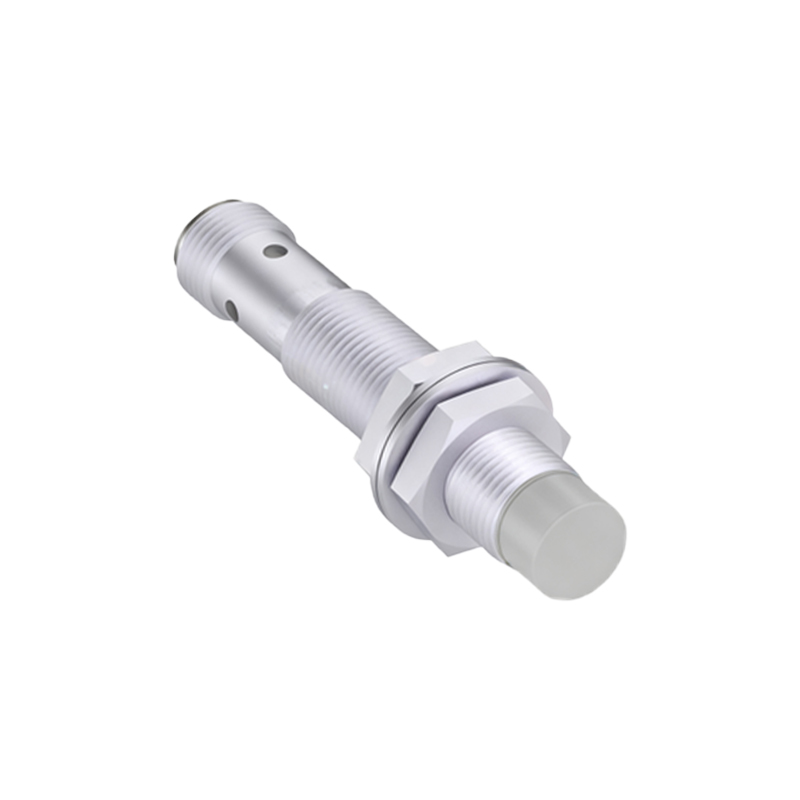
The process of embedding these sensors is a critical engineering task. It involves more than just mounting the sensor. Designers must consider the sensing field's interaction with the housing material. For instance, a capacitive sensor embedded behind a plastic panel must be calibrated to "see through" the plastic and ignore it, focusing only on the target object. Similarly, an inductive sensor requires a non-metallic window in a metal enclosure to function correctly. Factors like embedment depth, surrounding materials, environmental conditions (temperature, humidity, contaminants), and the target object's properties all influence sensor selection and placement.
Embedded proximity sensors enable countless applications. In smartphones, they are tucked behind the screen to turn off the display during a call, preventing accidental touches. In modern kitchen appliances like faucets and soap dispensers, they provide touchless hygiene. In automotive applications, they are embedded in bumpers for parking assistance and in doors for keyless entry systems. Industrial machinery uses them for precise position detection, object counting, and safety interlocks to protect operators. The rise of the Internet of Things (IoT) and smart home devices has further accelerated their use, allowing for intuitive, context-aware interactions.
The advantages of using embedded proximity sensors are significant. They offer high reliability and long operational life due to the lack of mechanical contact and wear. Their response time is extremely fast, suitable for high-speed automation processes. Being non-contact, they do not damage the target object and can function in sterile or cleanroom environments. Furthermore, their embedded nature protects them from physical damage, environmental factors, and tampering.
However, challenges exist in their deployment. Shielding and interference are constant concerns, especially when multiple sensors operate in close proximity or near strong electromagnetic sources. Calibration is paramount; an improperly calibrated embedded sensor may provide false triggers or fail to detect altogether. Design for manufacturability is also key, ensuring the sensor can be reliably installed and tested during mass production.
Looking ahead, the trend is toward miniaturization, lower power consumption, and increased intelligence. Sensors are becoming smaller, allowing for embedding in ever more compact devices. Low-power designs are essential for battery-operated IoT devices. Furthermore, sensors are increasingly equipped with digital interfaces and onboard processing, enabling features like programmable sensing ranges, temperature compensation, and diagnostic reporting. This "smart sensor" evolution simplifies integration and improves system robustness.
In conclusion, embedded proximity sensors are a foundational technology enabling automation, enhanced user interfaces, and improved safety. Their successful implementation requires a deep understanding of sensor physics, careful mechanical and electrical design, and precise calibration. As technology advances, these sensors will become even more sophisticated, reliable, and integral to the intelligent systems shaping our world, working silently and effectively behind the scenes.