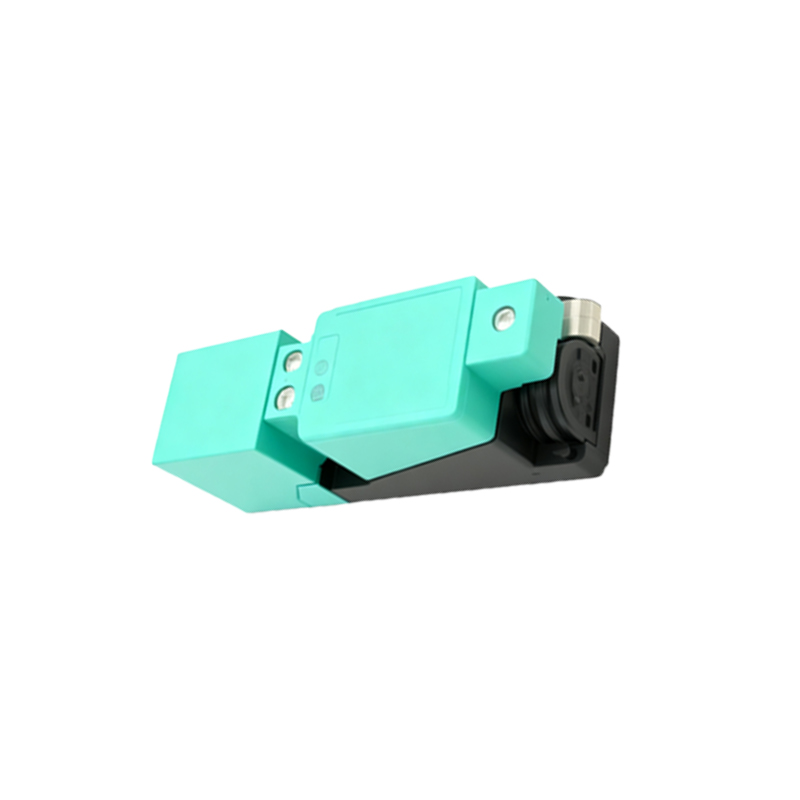
In the intricate world of industrial automation, consumer electronics, and automotive safety, proximity sensors operate as silent sentinels. Their ability to detect the presence or absence of an object without physical contact is nothing short of revolutionary. While much attention is given to the sensor housing, the sensing element, or the integrated circuitry, a critical and often underappreciated component lies at the heart of their functionality: the proximity sensor conductor. This element is not merely a passive carrier of electricity; it is the active medium through which electromagnetic fields are generated and disturbances are measured, enabling precise non-contact detection.
At its core, a proximity sensor, particularly the inductive type, relies on generating an oscillating electromagnetic field. This is achieved by passing an alternating current through a coil of wire—the primary conductor. When a conductive target, typically a metal object, enters this field, eddy currents are induced on the target's surface. These eddy currents, governed by Faraday's law of induction, create their own opposing magnetic field. The proximity sensor's conductor, specifically the coil, detects this change in the original field's amplitude or frequency. The internal electronics then process this perturbation, triggering an output signal. The efficiency of this entire energy transfer and detection loop is profoundly dependent on the properties of the conductor used in the sensor coil.
The choice of conductor material is a deliberate engineering decision, balancing multiple factors. Copper, with its excellent electrical conductivity and relatively low cost, is the most prevalent choice. Its high conductivity ensures minimal energy loss as heat (I²R losses), allowing for a stronger electromagnetic field generation for a given input power. This translates to better sensing range and sensitivity. For applications requiring higher mechanical strength, resistance to corrosion, or stability over a wider temperature range, alloys or other metals like silver-plated copper or various copper-nickel alloys are employed. Silver plating can enhance surface conductivity and resist oxidation, which is crucial for maintaining long-term performance in harsh environments.
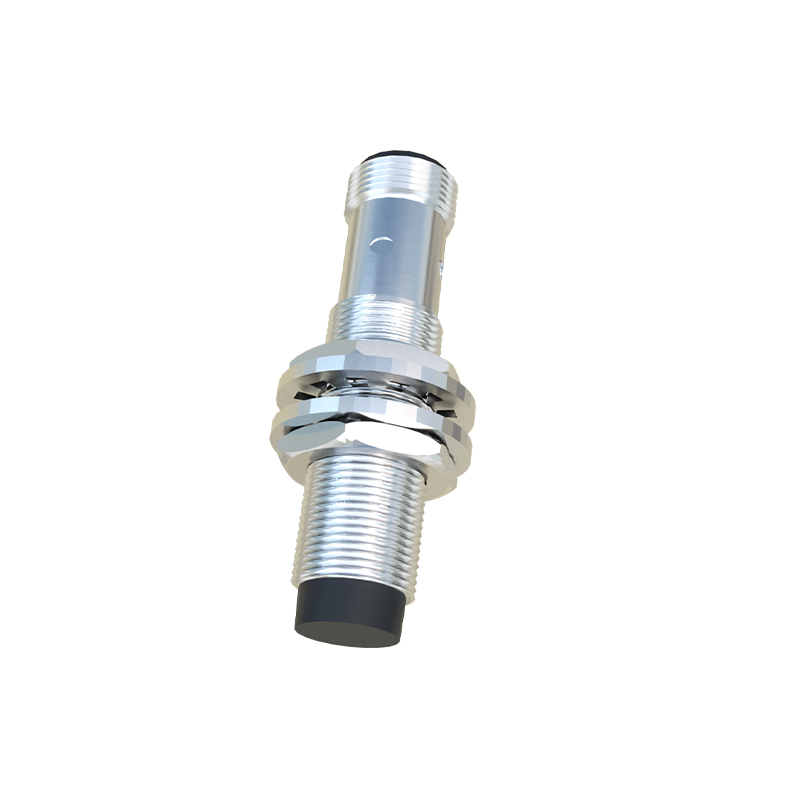
Beyond material, the physical geometry of the conductor is equally critical. The conductor is almost always wound into a coil. The number of turns, the coil diameter, and the winding pattern directly influence the inductance and the shape of the electromagnetic field. A larger coil diameter or more turns generally increases inductance and can extend the sensing range, but it also affects the sensor's response time and physical size. The insulation on the conductor wire must be robust to prevent short circuits between turns, especially when wound tightly. In miniaturized sensors, such as those in smartphones for screen blanking during calls, the conductor might be a meticulously patterned trace on a printed circuit board (PCB), acting as a planar coil. The precision in this PCB trace's width and spacing is vital for consistent performance.
Environmental resilience is a non-negotiable requirement. Proximity sensors are deployed in factories with oil, coolant, and metal shavings, or outdoors on vehicles facing moisture and temperature extremes. The conductor, therefore, must be protected. It is often potted within the sensor housing using epoxy resins or other compounds. This potting material serves a dual purpose: it secures the conductor coil physically, preventing movement from vibration that could alter electrical characteristics, and it provides a barrier against contaminants like humidity, dust, and chemicals that could degrade the conductor's insulation or cause corrosion.
The performance of the conductor directly dictates key sensor specifications. The sensing distance, repeatability, and switching frequency are all linked to how efficiently the coil generates and receives electromagnetic energy. A high-quality, stable conductor ensures that the sensor provides consistent output regardless of minor voltage fluctuations or gradual temperature changes. Furthermore, in applications involving different types of metals (e.g., steel, aluminum, brass), the conductor's design influences the sensor's correction factor, which compensates for the varying ease with which different materials induce eddy currents.
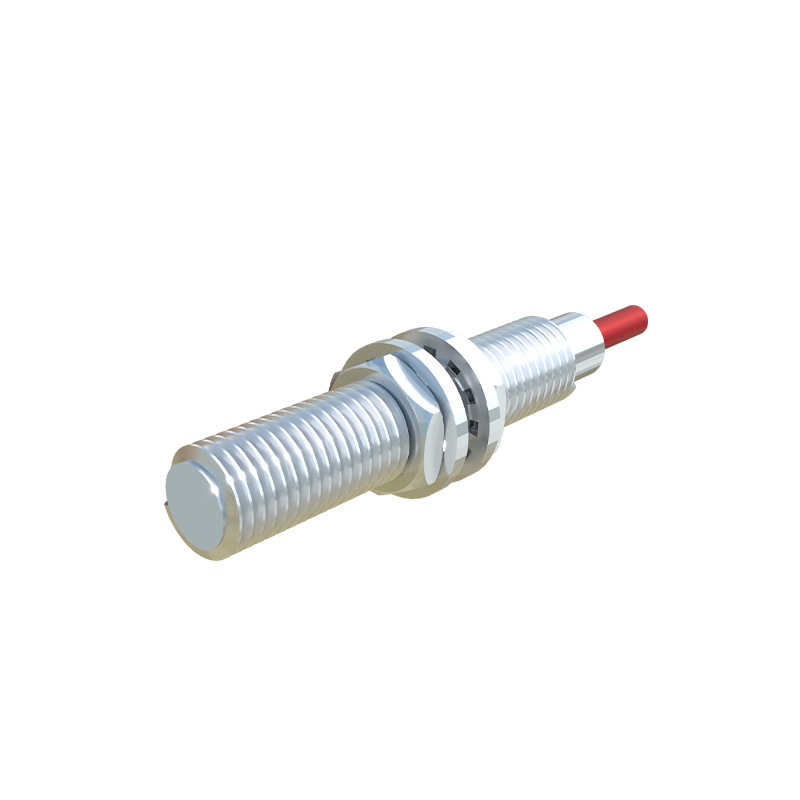
Looking forward, advancements in conductor technology and materials science continue to push the boundaries of proximity sensing. The development of finer, more durable insulating coatings allows for denser windings in smaller packages. Research into novel composite materials may yield conductors with tailored electromagnetic properties for specialized sensing tasks. As the Internet of Things (IoT) and Industry 4.0 demand smarter, more interconnected sensors, the humble conductor will remain a fundamental enabler. Its evolution will support the next generation of sensors that are more sensitive, more energy-efficient, and more reliable than ever before.
In conclusion, the proximity sensor conductor is a masterpiece of functional simplicity. It transforms electrical energy into an invisible field of detection and translates physical presence into an actionable electronic signal. Its design, from the atomic structure of its metal to the macro-scale geometry of its coil, is a precise science that underpins the reliability of millions of automated processes and safety systems worldwide. Understanding this critical component provides a deeper appreciation for the sophisticated engineering embedded in devices we often take for granted.