Proximity switch sensors have become integral components in modern lighting control systems, offering enhanced efficiency, safety, and automation. These non-contact sensors detect the presence or absence of objects within a specified range, triggering lighting circuits without physical interaction. As an electrical engineer with extensive field experience, I will delve into the technical aspects, applications, and best practices for implementing proximity sensors in lighting control.
Proximity sensors operate on various principles, including inductive, capacitive, and photoelectric technologies. Inductive sensors are commonly used for detecting metallic objects, making them ideal for industrial settings where machinery or vehicles activate lighting. Capacitive sensors can detect both metallic and non-metallic materials, such as plastics or liquids, suitable for environments like warehouses or restrooms. Photoelectric sensors use light beams to sense objects, often applied in outdoor or high-precision indoor lighting. When an object enters the sensor's detection field, it generates an electrical signal that controls a relay or solid-state switch, turning lights on or off. This automation reduces energy waste by ensuring lights operate only when needed, aligning with sustainability goals and regulatory standards like IEC 60947-5-2.
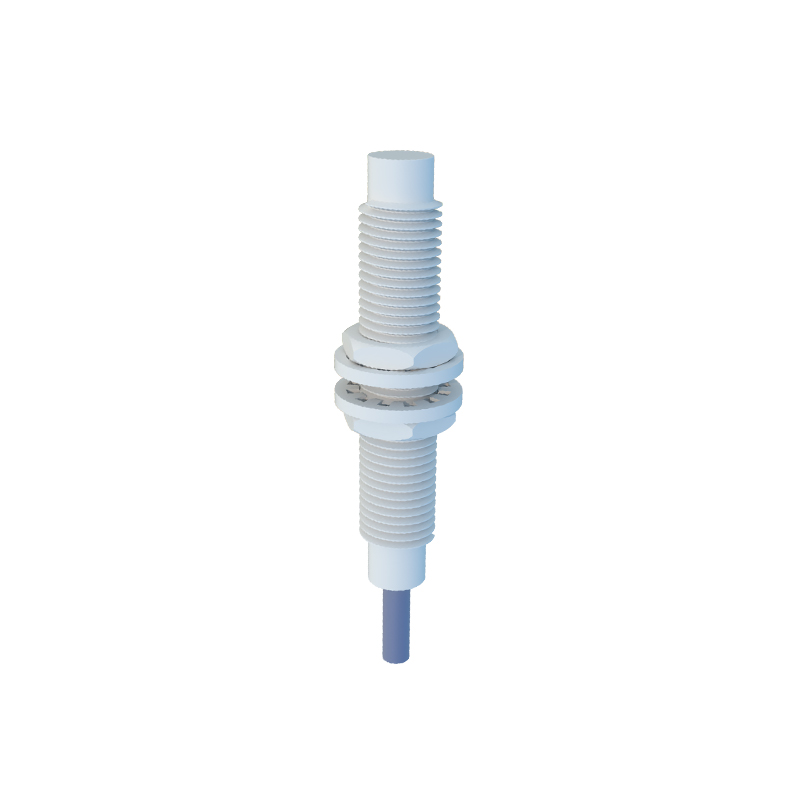
In lighting systems, proximity sensors offer significant advantages over traditional switches. They enhance user convenience in applications like corridor lighting, where lights automatically illuminate upon detecting movement, improving safety in dim areas. In smart buildings, sensors integrate with Building Management Systems (BMS) to optimize energy usage, adjusting lighting based on occupancy patterns. For instance, in office spaces, sensors can dim or turn off lights in unoccupied rooms, potentially cutting energy costs by up to 30%. Industrial facilities benefit from robust sensors that withstand harsh conditions, such as dust or moisture, ensuring reliable operation in manufacturing plants or parking garages.
Installation and calibration are critical for optimal performance. Engineers must consider factors like detection range, response time, and environmental interference. For example, inductive sensors typically have a range of 2-15 mm, while photoelectric sensors can extend to several meters. Proper shielding and placement avoid false triggers from adjacent equipment. Wiring should follow NEC or local electrical codes, with sensors connected to low-voltage control circuits to manage higher-power lighting loads via contactors. Regular maintenance, including cleaning lens surfaces and testing signal integrity, prevents malfunctions. Case studies show that a well-designed system can achieve a lifespan exceeding 10 million operations, reducing long-term maintenance costs.
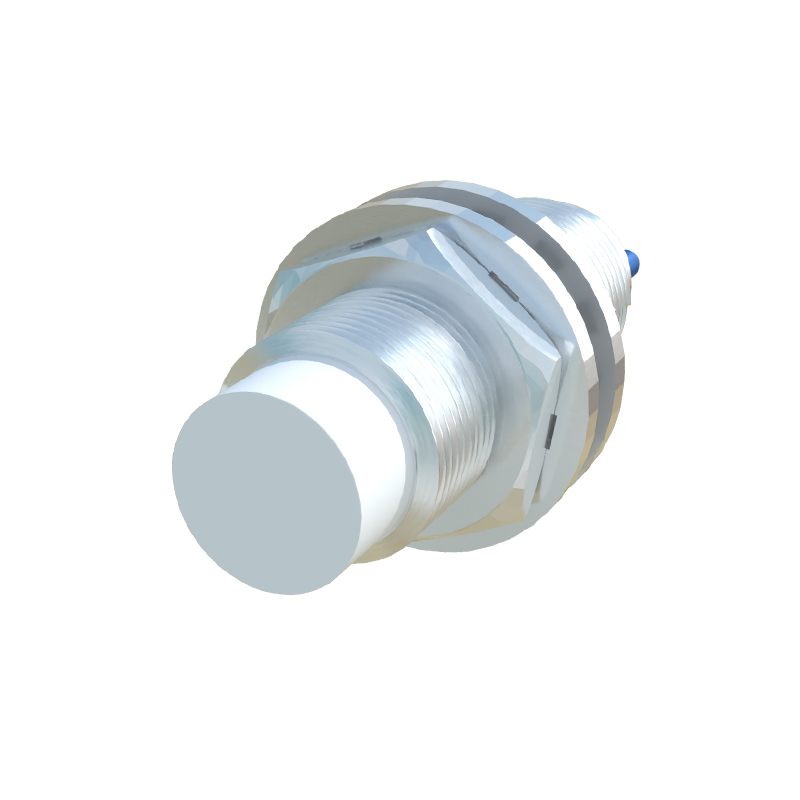
Emerging trends include IoT-enabled sensors that provide data analytics for predictive maintenance and adaptive lighting. These sensors communicate via protocols like Modbus or BACnet, allowing remote monitoring and integration with smart grids. As technology advances, proximity sensors are becoming more compact and energy-efficient, supporting global initiatives for green buildings. Engineers should stay updated with standards from organizations like IEEE to ensure compliance and innovation.
In summary, proximity switch sensors revolutionize lighting control by combining automation, efficiency, and reliability. By selecting the right sensor type and following best practices, electrical professionals can design systems that meet operational demands while promoting energy conservation. This technical guide underscores the importance of precision in implementation, from initial design to ongoing maintenance, ensuring lighting systems respond seamlessly to user needs and environmental conditions.