Proximity sensors, the silent sentinels of modern automation, are marvels of precision engineering. Their manufacturing is a meticulous journey from raw materials to reliable industrial components. This article delves into the core production processes, offering an insider's perspective on how these essential devices are made.
The journey begins with the heart of the sensor: the sensing element. For inductive sensors, this involves the fabrication of the coil. High-purity copper wire is precisely wound around a ferrite core within a specialized bobbin. This winding process is automated to ensure consistent turn count, tension, and layering, which are critical for the sensor's oscillation frequency and sensing range. The coil is then potted or encapsulated to protect it from vibration and environmental stress. For capacitive sensors, the process focuses on creating precisely sized and spaced conductive plates or surfaces, often through etching or deposition on a substrate.
The next critical phase is the assembly of the oscillator and detection circuit. Surface-mount technology (SMT) lines populate printed circuit boards (PCBs) with microcontrollers, transistors, resistors, and capacitors. These components are responsible for generating the high-frequency electromagnetic field (inductive) or measuring capacitance changes (capacitive). Robotic pick-and-place machines ensure speed and accuracy in component placement, after which the boards flow through reflow ovens to create permanent solder joints. The assembled PCB is then integrated with the sensing element.
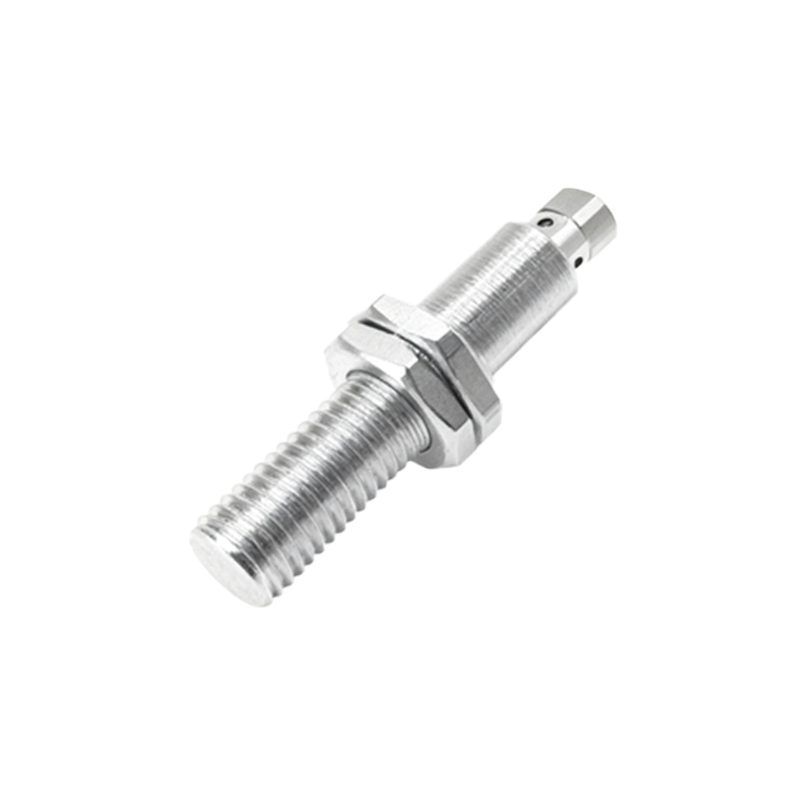
The housing, typically made from materials like PBT, PPS, or nickel-plated brass, is manufactured via injection molding or machining. The choice of material depends on the required mechanical strength, chemical resistance, and shielding properties. The housing must provide robust environmental protection (often meeting IP67 or IP69K ratings) and precise mechanical mounting. Key steps include molding the precise geometry for the sensing face and threading for mounting nuts. For cylindrical sensors, the threading is critical for installation depth and repeatability.
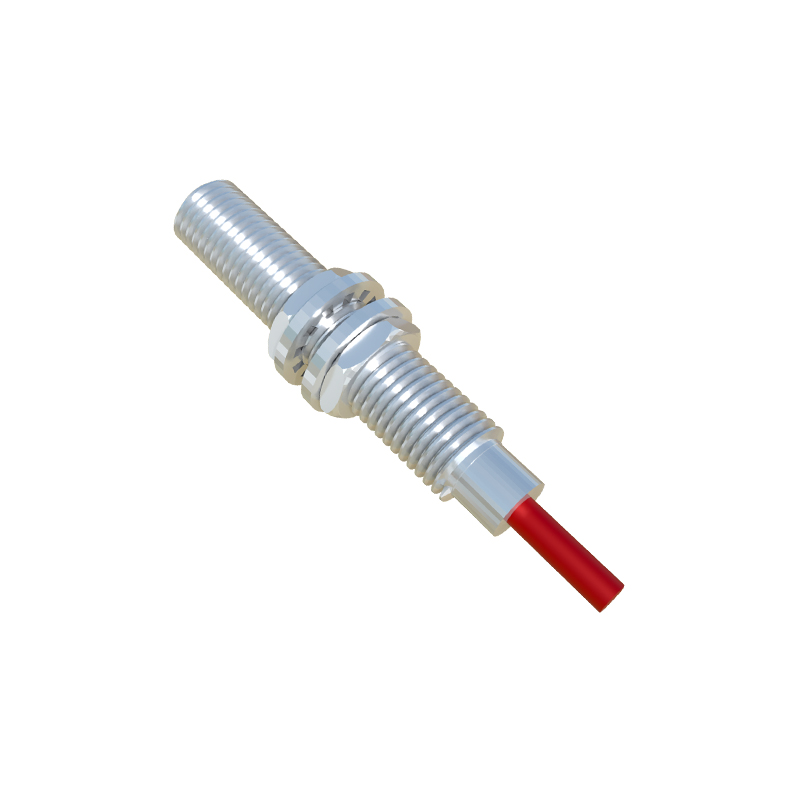
Final assembly brings all sub-components together. The sensing head (coil or capacitive plate) is carefully aligned and fixed within the housing. The PCB is secured inside, and electrical connections between the coil and the board are made. This stage often involves laser welding or precision soldering. The assembly is then filled with a potting compound—typically an epoxy or polyurethane resin. Potting is a vital step; it immobilizes internal components, provides exceptional shock and vibration resistance, and enhances protection against moisture, dust, and corrosive agents. The compound must cure uniformly without air bubbles.
No manufacturing process is complete without rigorous testing and calibration. Every sensor undergoes a battery of automated tests. Key parameters checked include:
Switching Point Accuracy: The sensor is tested against certified reference targets at its rated sensing distance.
Hysteresis: The difference between the switch-on and switch-off points is measured to ensure stable operation.
Frequency Response: For dynamic applications, the maximum switching frequency is verified.
Temperature Drift: Performance is checked across the specified operating temperature range.
Output Function: The behavior of the PNP, NPN, analog, or IO-Link output is validated under load.
Environmental Sealing: A subset of units undergoes pressure tests to confirm IP ratings.
Calibration often involves laser-trimming resistors on the PCB or programming the microcontroller to fine-tune the sensing characteristics, ensuring every unit meets the tight tolerances specified in its datasheet. Advanced facilities use traceable calibration standards to maintain consistency.
Finally, sensors are marked with laser engraving for part numbers, ratings, and logos, packaged in anti-static materials, and prepared for shipment. The entire process, from coil winding to final test, is governed by quality management systems like ISO 9001, with statistical process control (SPC) monitoring key variables to prevent defects.
The production of proximity sensors is a testament to the integration of electrical, mechanical, and materials engineering. It demands clean environments, precision tooling, and an unwavering commitment to quality control. The result is a rugged, reliable component that forms the foundational layer of tactile feedback for countless machines and automated systems worldwide, operating flawlessly for millions of cycles in the harshest industrial environments.