In modern industrial manufacturing, laser cutting has become a cornerstone technology due to its high precision, speed, and versatility. However, the effectiveness of laser cutting processes heavily relies on the integration of advanced sensing systems, particularly induction sensors. These sensors play a critical role in ensuring accuracy, safety, and efficiency in laser cutting operations. This article delves into the principles, applications, and benefits of laser cutting induction sensors, highlighting their importance in contemporary manufacturing environments.
Laser cutting induction sensors are specialized devices designed to detect and measure the position, distance, or presence of materials during the cutting process. They operate based on electromagnetic induction principles, where changes in an electromagnetic field are used to identify objects without physical contact. This non-contact nature is crucial in laser cutting, as it prevents interference with the cutting head and maintains the integrity of the workpiece. Typically, these sensors consist of a coil that generates an alternating magnetic field. When a conductive material, such as metal, enters this field, eddy currents are induced, altering the field's characteristics. The sensor detects these changes and converts them into electrical signals, which are then processed to provide real-time data.
The applications of induction sensors in laser cutting are diverse and essential. One primary use is in material detection and alignment. Before cutting begins, sensors ensure that the workpiece is correctly positioned on the cutting bed, reducing errors and material waste. During cutting, they monitor the distance between the laser head and the material surface, maintaining an optimal focal point for consistent cut quality. This is particularly important for materials with uneven surfaces or those prone to warping under heat. Additionally, induction sensors contribute to safety by detecting anomalies, such as unexpected obstructions or material shifts, triggering automatic shutdowns to prevent damage to equipment or injuries to operators.
Another significant application is in adaptive control systems. Modern laser cutting machines often incorporate induction sensors into closed-loop feedback mechanisms. These systems continuously adjust cutting parameters, such as speed and power, based on sensor data. For instance, if a sensor detects variations in material thickness, the system can modify the laser intensity accordingly, ensuring uniform cuts across different sections. This adaptability enhances precision and reduces the need for manual interventions, leading to higher productivity and lower operational costs.

The benefits of using induction sensors in laser cutting are manifold. Firstly, they improve accuracy and repeatability. By providing real-time feedback, sensors enable precise control over cutting paths, resulting in cleaner edges and tighter tolerances. This is vital for industries like aerospace and automotive, where component precision is non-negotiable. Secondly, induction sensors enhance efficiency. Automated detection and adjustment minimize downtime caused by misalignments or errors, allowing for continuous operation. Moreover, their durability and resistance to harsh environments—such as high temperatures, dust, and vibrations—make them reliable in industrial settings. Lastly, these sensors contribute to cost savings by reducing material waste and extending equipment lifespan through preventive maintenance.

Despite their advantages, challenges exist in implementing induction sensors. For example, they may struggle with non-conductive materials like plastics or ceramics, limiting their applicability in some contexts. However, advancements in sensor technology, such as hybrid systems combining induction with optical or capacitive sensors, are addressing these limitations. Future trends point toward smarter, more integrated sensors with IoT capabilities, enabling predictive maintenance and data analytics for optimized manufacturing processes.
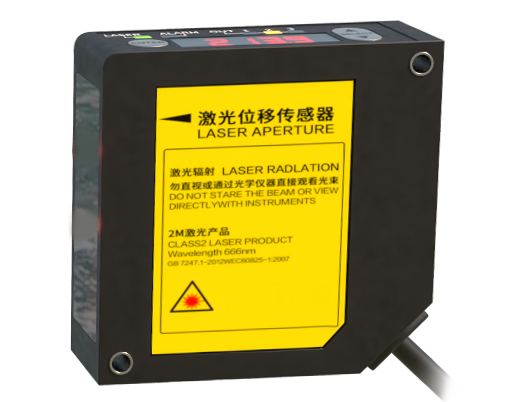
In conclusion, laser cutting induction sensors are indispensable tools in precision manufacturing. Their ability to provide non-contact, real-time monitoring and control elevates the performance of laser cutting systems. As technology evolves, these sensors will continue to drive innovation, supporting the demand for higher quality, efficiency, and automation in industries worldwide. Manufacturers investing in advanced sensing solutions can expect significant returns in terms of improved product quality and operational excellence.