In the realm of modern electronics, the seamless interaction between user and device is paramount. A critical component enabling this intuitive experience is the proximity sensor, a technology that has become indispensable for automatic screen activation and deactivation. This article delves into the operational principles, applications, and design considerations of proximity sensors in triggering screen illumination, a fundamental feature in smartphones, tablets, laptops, and various industrial human-machine interfaces (HMIs).
At its core, a proximity sensor is a device that detects the presence or absence of a nearby object without any physical contact. For screen activation purposes, the most prevalent technology is the infrared (IR) proximity sensor. This system typically consists of an IR LED emitter and an IR photodiode receiver. When a device is in standby mode, the sensor periodically emits a beam of infrared light. If an object, most commonly the user's face during a call or a hand approaching the screen, enters the detection field, the infrared light reflects back to the photodiode. The sensor's integrated circuit (IC) processes this signal change and sends a command to the device's main processor. The processor then triggers the display controller to illuminate the screen. Conversely, when the object moves away, the sensor detects the absence of reflected IR light and signals the processor to turn the screen off, thereby conserving battery power.
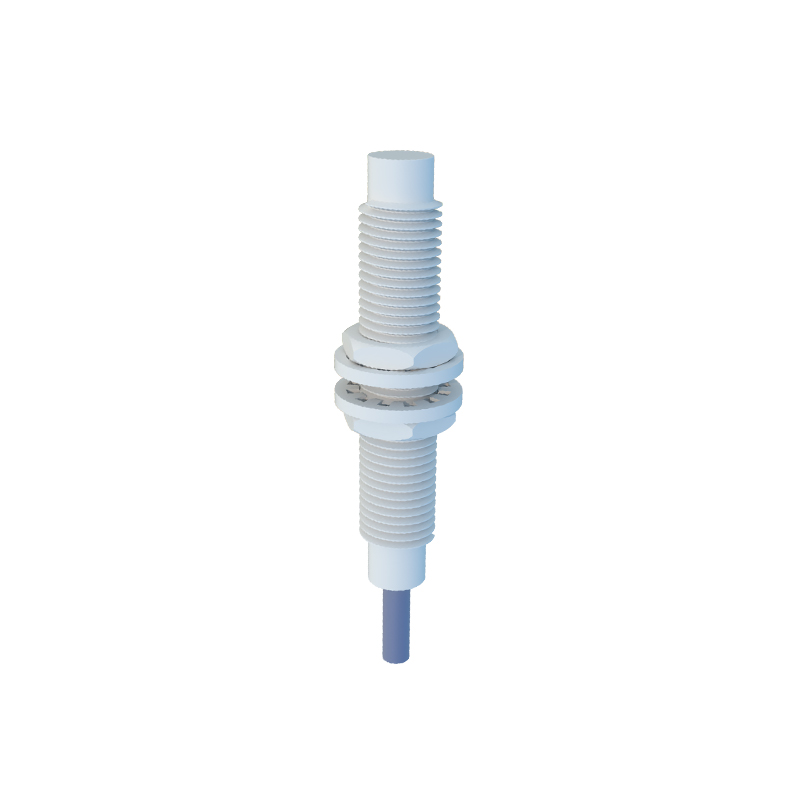
The implementation of this technology offers significant advantages. Primarily, it enhances user convenience by automatically turning the screen on when needed, eliminating the need to press a physical button. This is particularly useful during phone calls, preventing accidental screen touches from the cheek or ear that could mute the call or launch other applications. From a power management perspective, it is a crucial energy-saving feature. By ensuring the display is only active when necessary, it directly contributes to extended battery life—a key metric for consumer electronics. Furthermore, in industrial settings, proximity-activated screens can initiate workflows, display relevant data as an operator approaches a control panel, or enhance safety by ensuring screens are only active during actual use, reducing distraction.
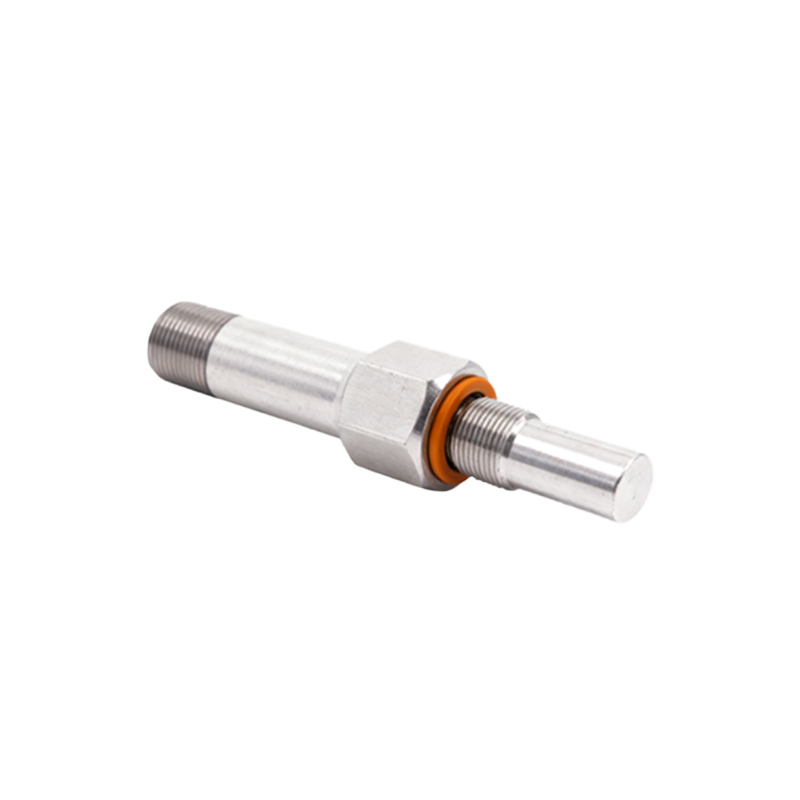
Designing a robust proximity sensing system for screen control involves several engineering considerations. Sensor placement is critical; it must be positioned to reliably detect the intended target while minimizing false triggers from environmental factors. This often requires careful integration behind the device's front glass, sometimes using small apertures. Algorithms within the sensor firmware are equally important. They must distinguish between a deliberate approach (like bringing the phone to the ear) and incidental proximity changes, such as the device being in a pocket or bag. This involves setting appropriate detection thresholds and incorporating debounce logic. Engineers must also account for varying environmental infrared noise from sources like sunlight or incandescent lighting, which can interfere with the sensor's operation. Modern sensors employ modulated IR signals and synchronous detection techniques to filter out this ambient noise effectively.
The technology continues to evolve. Advanced time-of-flight (ToF) sensors are now being integrated for more precise distance measurement, enabling new features like gesture control alongside basic screen activation. Furthermore, sensor fusion—combining data from the proximity sensor with inputs from the accelerometer, gyroscope, and ambient light sensor—allows for even more context-aware and intelligent screen management. For instance, the system can decide to keep the screen on if the device is picked up and moved, even if direct proximity is intermittent.
In conclusion, the humble proximity sensor plays a monumental role in the user experience and efficiency of contemporary electronic devices. Its function in automatic screen activation is a perfect example of how a seemingly simple piece of technology, when expertly engineered and integrated, solves practical problems of power conservation, interface reliability, and operational convenience. As devices become smarter and more interconnected, the underlying sensor technology, including IR proximity detection, will continue to be refined, forming an invisible yet essential layer of our daily digital interactions.