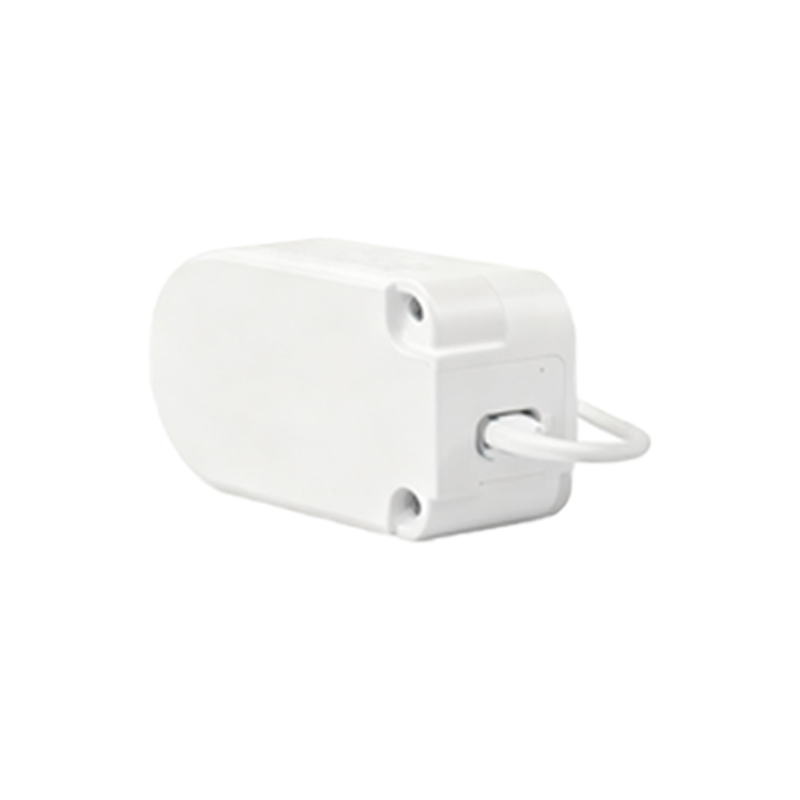
In the realm of industrial automation, security systems, and smart infrastructure, the ability to detect objects or presence from a significant distance is a critical requirement. This is where the 10-meter proximity sensor comes into play, representing a specialized category of long-range sensing technology. Unlike standard inductive or capacitive sensors with ranges measured in millimeters or a few centimeters, these sensors are engineered to reliably detect objects at distances of up to 10 meters (approximately 32.8 feet), opening up a vast array of applications previously unattainable with short-range devices.
The core technology enabling this extended range primarily falls into two categories: ultrasonic and photoelectric sensing. Ultrasonic 10-meter sensors operate by emitting high-frequency sound waves and calculating the time it takes for the echo to return. They are highly effective in environments with dust, smoke, or light interference, making them robust for outdoor use or harsh industrial settings. Their detection is based on the presence of an object within the sound cone, making them less dependent on the object's color or material, though soft, sound-absorbing materials can sometimes pose a challenge.
Photoelectric sensors, specifically the through-beam and retro-reflective types, are the other workhorses for achieving a 10-meter range. Through-beam models consist of a separate transmitter and receiver; detection occurs when the object interrupts the light beam. This method offers the longest, most stable sensing distance and high precision. Retro-reflective sensors house both emitter and receiver in one unit, bouncing the beam off a dedicated reflector. An object is detected when it breaks this reflected beam. These photoelectric sensors are incredibly fast and accurate but can be influenced by environmental factors like heavy fog, direct sunlight, or highly reflective backgrounds.
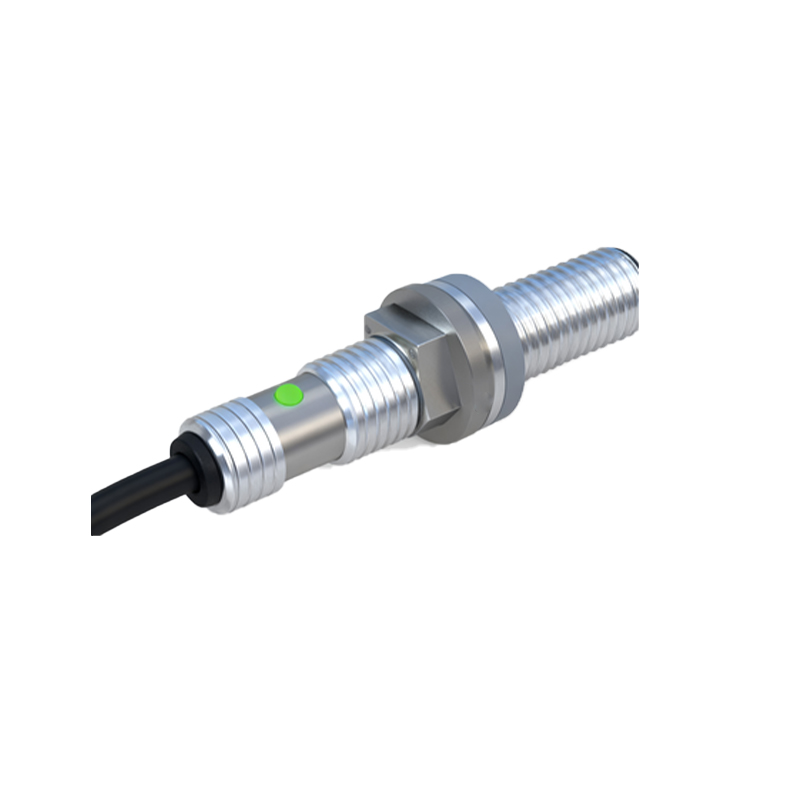
The implementation of a 10-meter proximity sensor requires careful consideration of several factors beyond just the rated distance. The sensing field or beam pattern is crucial. A sensor with a narrow, focused beam is ideal for precise detection of small objects at a distance, while a wider beam is better for area monitoring. The response time must be fast enough for the application, such as counting high-speed objects on a conveyor. Environmental robustness is non-negotiable; industrial-grade sensors feature high Ingress Protection (IP) ratings for dust and water resistance and wide operating temperature ranges.
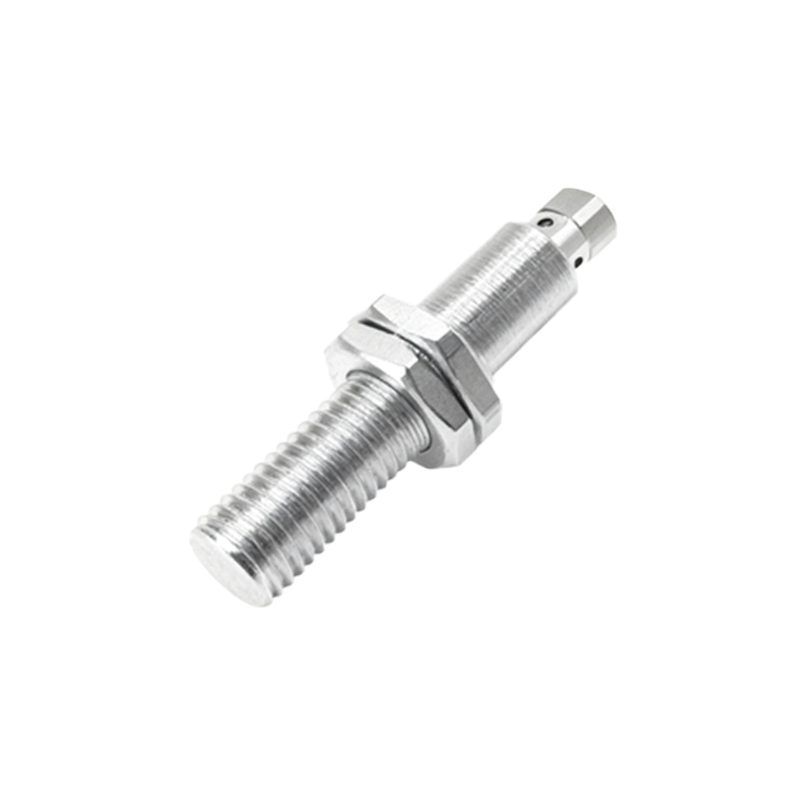
Real-world applications for these long-range detectors are diverse and impactful. In warehouse and logistics automation, they are used for vehicle detection in high-bay storage systems, pallet presence checking on long conveyors, and triggering automatic doors for large loading bays. In the security sector, they form invisible perimeter fences, detect intrusions across wide open spaces like parking lots, and monitor forbidden zones around hazardous equipment. Smart agriculture utilizes them for monitoring irrigation system components spread over large fields or detecting livestock in open pens. Furthermore, in traffic management, they can be employed for vehicle counting at intersections or triggering warning signals at railway crossings.
When selecting a 10-meter proximity sensor, engineers must match the sensor's specifications to the application's specific needs. Key parameters include the actual required sensing distance (allowing for a safety margin), the size and material of the target object, the required mounting style, the electrical output type (e.g., NPN/PNP, analog, IO-Link), and the environmental conditions. Proper alignment for photoelectric sensors and avoidance of acoustic interference for ultrasonic sensors are critical for reliable operation.
In conclusion, the 10-meter proximity sensor is a powerful tool that extends the reach of automation and monitoring systems. By understanding the underlying technologies—ultrasonic and photoelectric—and their respective strengths, system designers can effectively implement these sensors to solve complex challenges involving long-distance, non-contact detection. From securing expansive perimeters to optimizing massive automated storage and retrieval systems, these sensors provide the essential "long-range vision" that modern industrial and infrastructural projects demand, enhancing efficiency, safety, and intelligence across numerous sectors.