In the realm of industrial automation and precision sensing, proximity sensors are indispensable for detecting the presence or absence of objects without physical contact. While much attention is given to the sensor's core technology—be it inductive, capacitive, or photoelectric—the humble plastic shim often plays a critical, yet understated, role in ensuring optimal performance. These thin, precisely manufactured plastic spacers or washers are engineered to fine-tune the sensing gap, protect sensitive components, and enhance system reliability.
The primary function of a proximity sensor plastic shim is to establish and maintain an exact distance between the sensor's sensing face and the target object. This gap is crucial because the sensing characteristics, such as the nominal sensing distance (Sn), can be significantly affected by even minor deviations. For instance, in inductive proximity sensors designed to detect metals, the plastic shim acts as a non-conductive barrier that standardizes the air gap, ensuring consistent detection thresholds and repeatability. Without this calibration aid, factors like mechanical tolerances, vibration, or thermal expansion could lead to false triggers or missed detections, compromising the entire automated process.
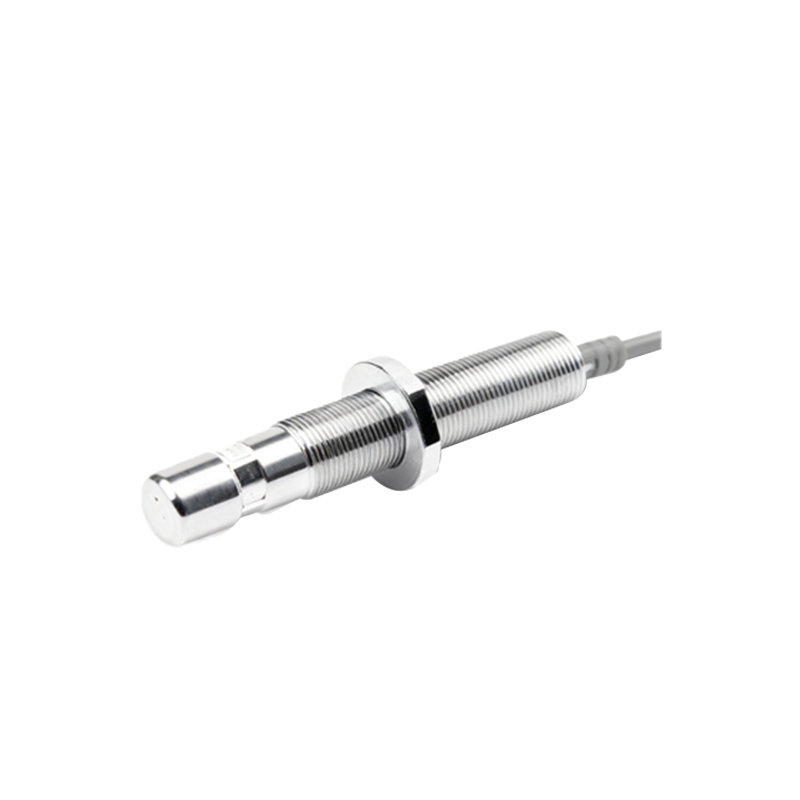
Material selection for these shims is a key engineering consideration. Typically crafted from high-grade engineering plastics such as POM (Polyoxymethylene), PTFE (Polytetrafluoroethylene), or PEEK (Polyetheretherketone), these materials offer a blend of durability, dimensional stability, and resistance to industrial environments. POM, known for its low friction and high stiffness, is common for general applications. PTFE provides exceptional chemical resistance and operates across a wide temperature range, suitable for harsh conditions. PEEK, though more costly, delivers superior mechanical strength and thermal stability for high-performance systems. The choice directly impacts the shim's ability to withstand oils, coolants, UV exposure, and mechanical wear over extended periods.
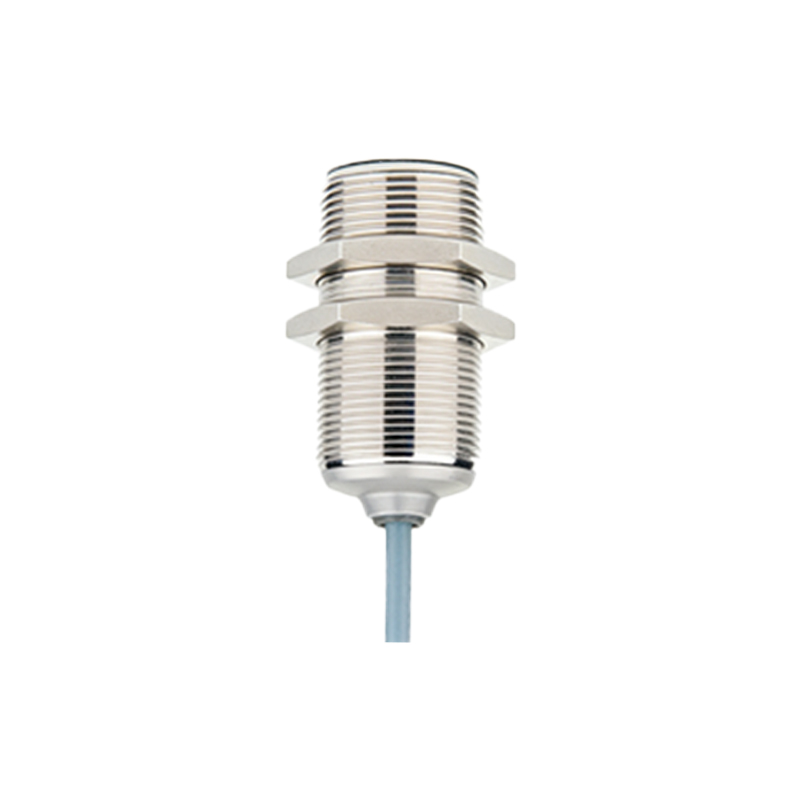
Installation and calibration procedures highlight the shim's practical importance. During sensor setup, technicians often use these plastic shims to "teach" the sensor its optimal operating point. By inserting a shim of a specific thickness—commonly ranging from 0.1mm to 2mm—between the sensor and a reference target, they can accurately set the switching point. This process eliminates guesswork and enhances setup precision, especially in applications like robotic positioning, conveyor belt monitoring, or assembly line verification. Furthermore, shims serve as protective layers, preventing metal-to-metal contact that could damage the sensor's face or the target surface, thereby extending the lifecycle of both components.
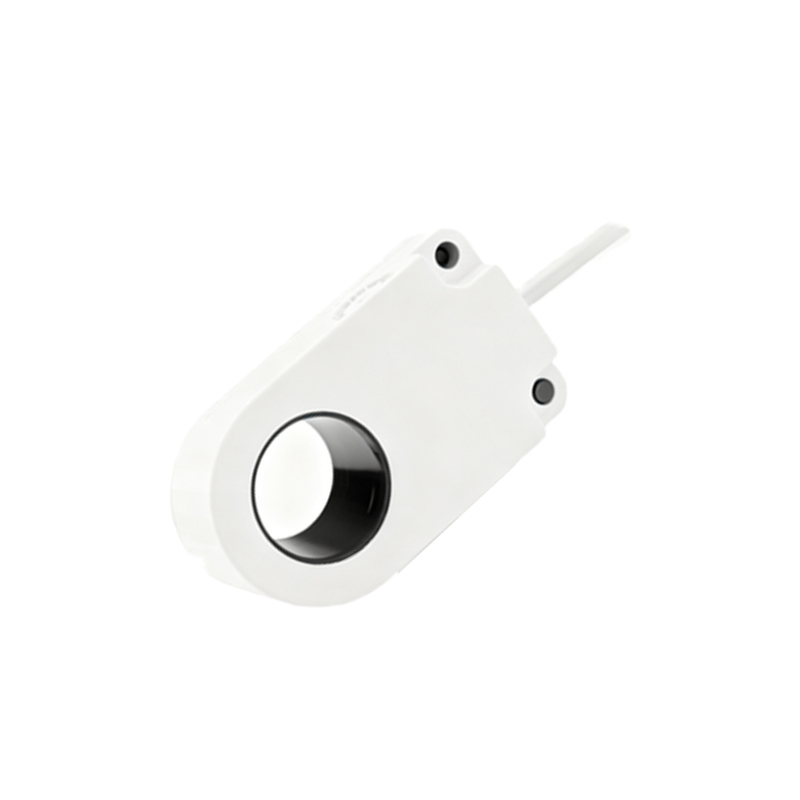
In specialized applications, plastic shims are tailored to address unique challenges. For capacitive sensors detecting non-metallic materials, shims can help adjust sensitivity to avoid interference from background materials. In high-speed packaging machinery, shims dampen vibrations that might otherwise cause sensing errors. They also provide electrical insulation in environments with potential short-circuit risks. The design may include features like alignment tabs, adhesive backing, or color-coding for thickness identification, streamlining maintenance and inventory management.
Despite their simplicity, neglecting plastic shims can lead to significant operational costs. Inconsistent sensing may result in production downtime, quality defects, or increased scrap rates. Regular inspection of shims for signs of deformation, cracking, or contamination is a best practice in preventive maintenance. As sensor technology advances toward miniaturization and higher frequencies, the precision demanded of these ancillary components only grows.
In conclusion, proximity sensor plastic shims are far from mere accessories; they are precision calibration tools integral to sensor accuracy and longevity. Their correct selection and use reflect a thorough understanding of sensing principles and application demands, underscoring the detail-oriented nature of effective industrial engineering. By ensuring the right gap under the right conditions, these small plastic components make a substantial contribution to the reliability and efficiency of modern automated systems.