In the rapidly evolving landscape of industrial automation, the demand for precise, reliable, and intelligent sensing solutions has never been greater. Among the array of technologies available, digital display proximity sensors have emerged as a cornerstone for applications requiring exacting distance measurement and control. Unlike their analog or simple binary counterparts, these sophisticated devices integrate sensing elements with an onboard digital readout, providing real-time, visual feedback of the target distance. This fusion of functionality transforms them from mere detection switches into powerful diagnostic and setup tools.
The core technology behind these sensors varies, with inductive, capacitive, and ultrasonic being the most prevalent types. Inductive sensors, detecting metallic objects, are workhorses in metalworking and machinery. Capacitive sensors can detect a wider range of materials, including liquids and plastics, making them ideal for packaging or level control. Ultrasonic sensors, using sound waves, excel in longer-range applications and harsh environments where other technologies might falter. The integration of a digital display, typically an LCD or LED screen, is what sets this category apart. This display shows the exact measured distance, often with a resolution down to micrometers or millimeters, depending on the model and sensing range.
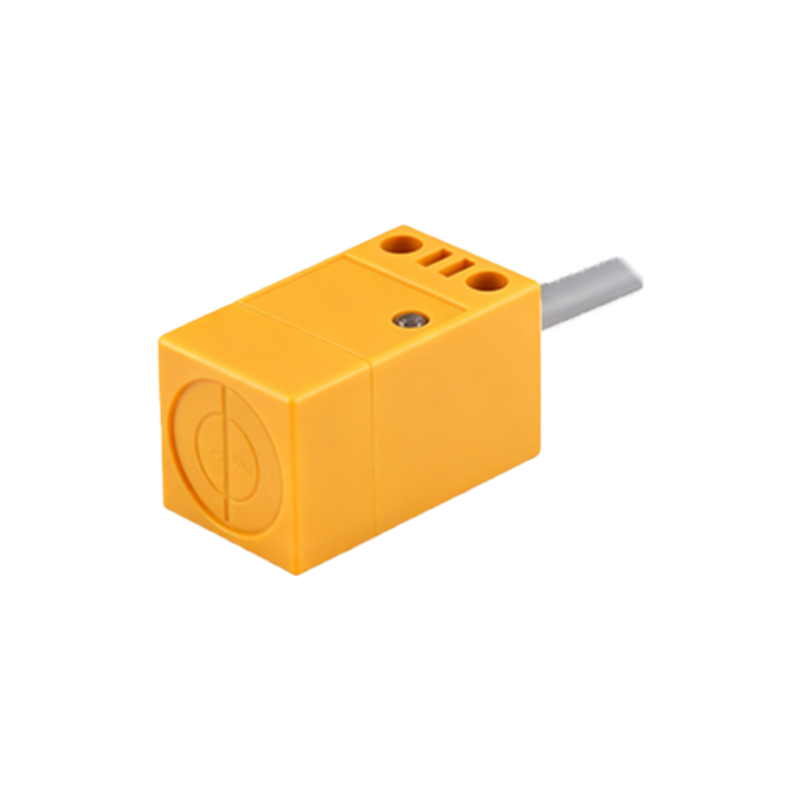
The advantages of incorporating a digital display are multifaceted. Firstly, it drastically simplifies installation and commissioning. Technicians can visually confirm the sensor's detection range, set precise switching points, and observe the real-time gap between the sensor and the target without the need for external oscilloscopes or complex diagnostic tools. This reduces setup time and minimizes human error. Secondly, the display serves as a continuous monitoring tool. During operation, fluctuations in the displayed value can indicate issues such as mechanical misalignment, vibration problems, or target wear, enabling predictive maintenance before a failure causes downtime. This proactive approach to machine health is invaluable in high-throughput production environments.
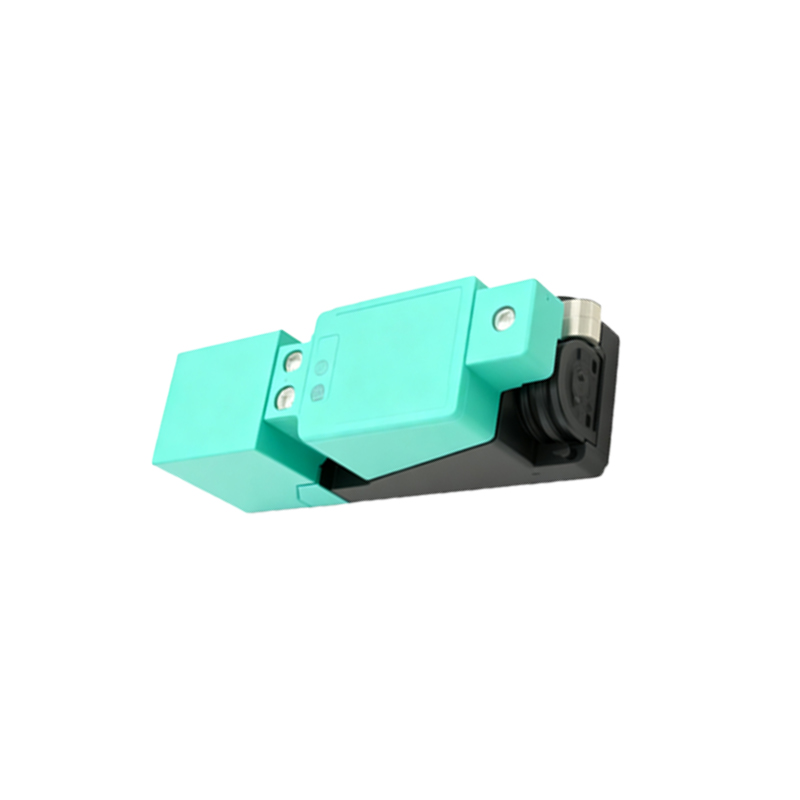
Furthermore, modern digital display proximity sensors often come equipped with advanced features accessible via the display or integrated buttons. These can include programmable switching outputs (e.g., window mode, where an output is activated only when the target is within a user-defined distance band), adjustable response times, and temperature compensation algorithms. Some high-end models offer teach-in functions, allowing the sensor to learn the positions of multiple targets automatically, and even provide IO-Link or other industrial communication protocols for seamless integration into Industry 4.0 networks. This connectivity allows for centralized parameterization, data logging, and remote diagnostics, pushing these sensors into the realm of smart factory components.
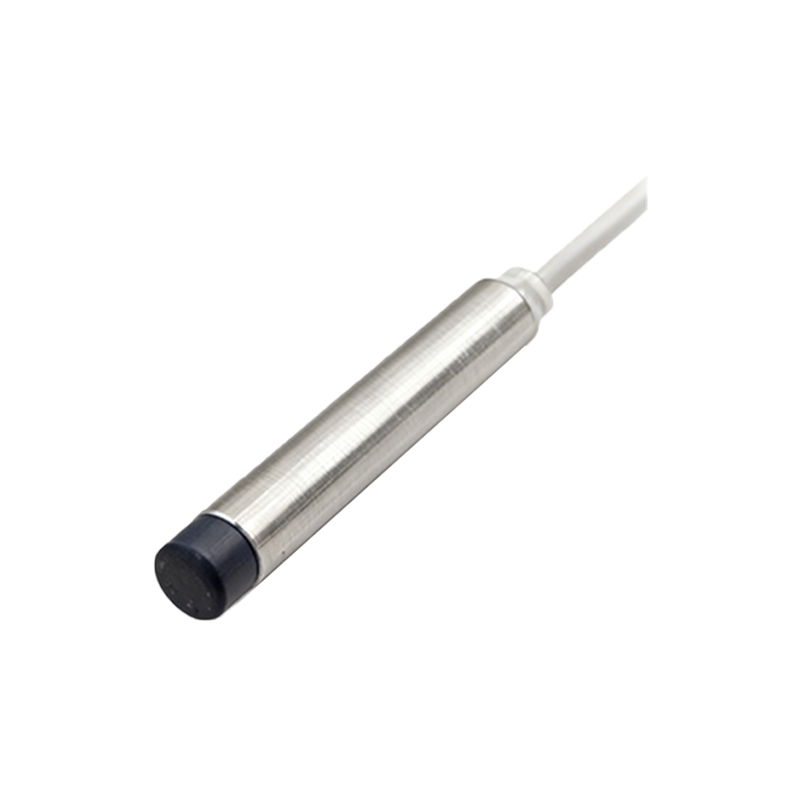
Application areas are vast and critical. In robotics, they ensure precise positioning of grippers and end-effectors. In CNC machining, they monitor tool wear and workpiece positioning with extreme accuracy. On assembly lines, they verify the correct placement of components. In material handling, they control the positioning of pallets and goods. The visual confirmation provided by the display is particularly beneficial in quality control stations and R&D laboratories, where precise measurements are documented and analyzed.
When selecting a digital display proximity sensor, several key specifications must be considered. The sensing range, repeat accuracy, and resolution define its measurement capability. The housing material (often stainless steel or PBT plastic) and ingress protection (IP) rating determine its suitability for environments with dust, coolants, or high-pressure washdowns. The type of electrical output (PNP/NPN, analog, or relay) must match the control system's input requirements. Finally, the readability and functionality of the display itself—its size, backlighting, and menu intuitiveness—are crucial for operational efficiency.
In conclusion, digital display proximity sensors represent a significant leap forward in sensing technology. By providing immediate, precise visual data, they enhance machine setup, operational transparency, and maintenance strategies. They are no longer just components that "see" but intelligent devices that "inform and guide." As automation systems strive for greater flexibility, precision, and data-driven intelligence, the role of these clear-eyed sentinels of distance will only continue to expand, solidifying their position as essential instruments for engineers building the future of manufacturing and beyond.