In the intricate world of industrial automation, proximity sensors stand as silent sentinels. These non-contact devices, crucial for detecting the presence or absence of objects, are the backbone of countless processes—from assembly line sequencing and robotic guidance to safety interlocks and material handling. However, their very nature of operating in harsh, dynamic environments makes them susceptible to a range of failures. Proactive prevention, therefore, is not merely a maintenance task; it is a strategic imperative for maximizing uptime, ensuring safety, and protecting capital investment. This article delves into comprehensive prevention strategies to safeguard these critical components.
The foundation of effective prevention lies in understanding the primary adversaries of proximity sensors. Environmental contaminants top the list. Dust, metallic swarf, oil, coolant mist, and other particulate matter can accumulate on the sensor face, attenuating the electromagnetic field or ultrasonic signal, leading to false triggers or failure-to-detect incidents. For inductive sensors, common in metal detection, ferrous dust buildup is particularly nefarious as it can mimic a target. Similarly, aggressive chemicals can degrade sensor housings, cables, and seals, leading to ingress and internal corrosion.
Electrical disturbances represent another significant threat. Voltage spikes, electromagnetic interference (EMI) from nearby motors or welders, and improper grounding can disrupt sensor electronics, causing erratic behavior or permanent damage. Mechanical stress, often overlooked, is a silent killer. Vibration can loosen mounting hardware, misalign sensors, or fatigue internal solder joints. Physical impact from passing objects or maintenance activities can crack housings or damage sensing elements.
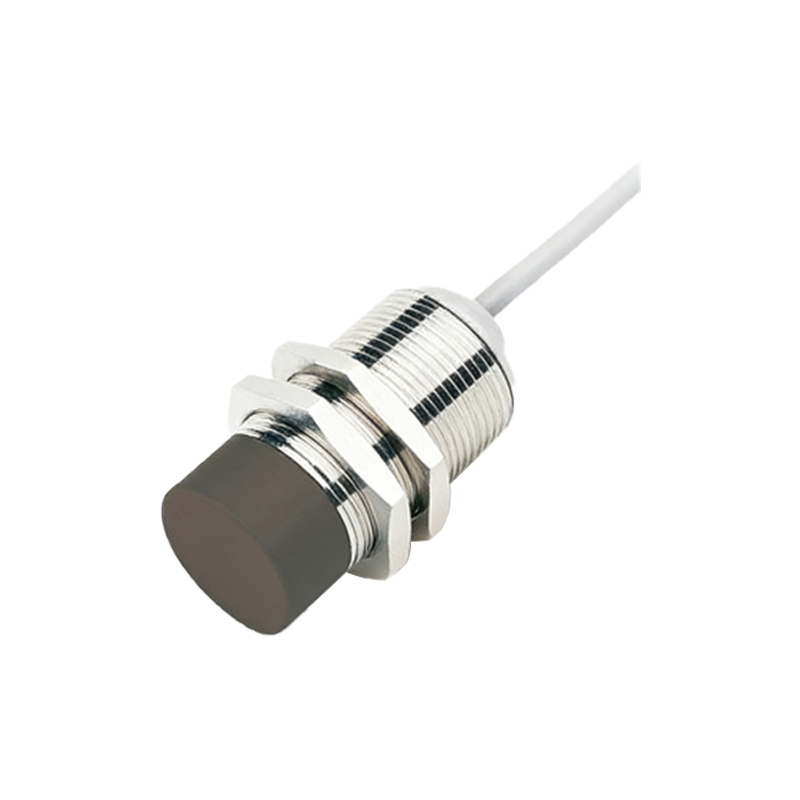
A robust prevention program starts with correct selection and installation. Choose a sensor with an appropriate housing material (e.g., stainless steel for corrosive areas, PBT plastic for chemical resistance) and an ingress protection (IP) rating that exceeds the environmental demands. For instance, an IP67 rating is standard for washdown areas, while IP69K is needed for high-pressure, high-temperature cleaning. Ensure the sensing distance, or "sn," is specified with a sufficient safety margin—typically 50-70% of the rated sn—to account for target variations, temperature drift, and potential buildup.
Installation is critical. Mount the sensor securely using proper brackets to minimize vibration. Ensure precise alignment with the target object. For cylindrical sensors, use standardized mounting nuts rather than wrenches on the housing to avoid distortion. Protect cabling with conduits or cable carriers, especially in high-traffic areas. Maintain proper bend radii for cables to prevent conductor breakage. Implement effective grounding practices for both the sensor and the associated control system to shunt away electrical noise.
Environmental protection is an ongoing battle. Where heavy contamination is inevitable, consider sensors with built-in "teach" or compensation functions that can adjust sensitivity to ignore buildup for a period. Protective accessories are invaluable: mounting brackets that position the sensor away from direct spray, plastic or metallic shrouds that deflect chips and debris, and silicone boots that seal the face while allowing the sensing field to pass through. For extremely dirty environments, a routine, gentle cleaning schedule using appropriate solvents (compatible with the housing material) is essential. Never use abrasive tools on the sensing face.
Electrical protection is non-negotiable. Incorporate surge protection devices (SPDs) or transient voltage suppressors in the supply lines, especially in facilities with large inductive loads. Use shielded cables for analog or high-frequency sensors, and properly terminate the shield at the controller end. Ensure power supplies are stable and adequately rated. For DC sensors, consider models with reverse polarity protection and short-circuit protection to guard against wiring errors.
Finally, integrate sensors into a predictive maintenance (PdM) framework. While proximity sensors are typically discrete devices, monitoring trends can be insightful. For analog sensors, track output current drift over time. For digital sensors, log the frequency of operation or use diagnostic-capable models that can report parameters like temperature or signal strength via IO-Link. Regularly scheduled functional checks, where the sensor's operation is verified with a known target under controlled conditions, can identify degradation before it causes a line stoppage.
In conclusion, the prevention of proximity sensor failure is a multifaceted discipline encompassing informed selection, meticulous installation, persistent environmental defense, rigorous electrical safeguarding, and intelligent monitoring. By adopting these practices, engineers and maintenance professionals can transform these ubiquitous devices from potential points of failure into pillars of reliable, uninterrupted production. The goal is to make their silent vigilance truly enduring.