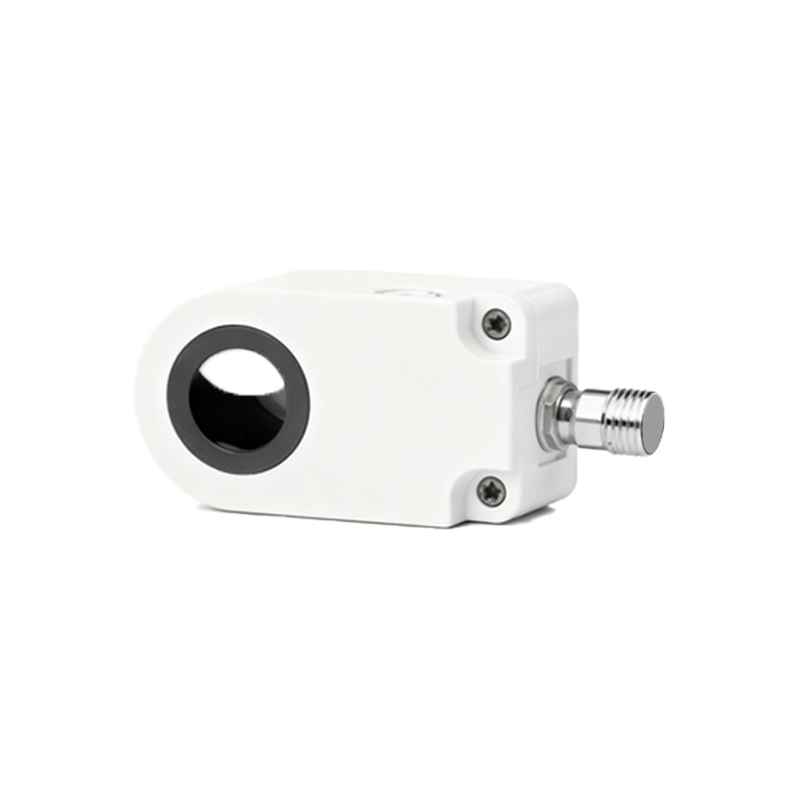
In the realm of industrial automation and machinery, proximity sensor cylinders represent a sophisticated fusion of linear motion control and non-contact sensing technology. These devices are essentially pneumatic or hydraulic cylinders integrated with built-in proximity sensors, typically inductive or magnetic, that detect the precise position of the piston rod without any physical contact. This integration eliminates the need for external limit switches or mechanical actuators, streamlining system design and enhancing reliability.
The core technology hinges on the sensor's ability to detect a magnetic field or a metallic target. In a common magnetic version, a permanent magnet is embedded within the piston. As the cylinder extends or retracts, this magnet moves along the cylinder barrel. A reed switch or a solid-state Hall effect sensor, mounted externally on the cylinder body, is actuated when the magnet passes within its detection range. This generates a clean, electrical signal indicating the piston's presence at a specific point. Inductive variants work by detecting the metallic piston rod itself, generating an eddy current loss that triggers the sensor output.
The advantages of using proximity sensor cylinders are substantial. First and foremost is their exceptional durability. The non-contact nature of sensing means there is no mechanical wear on the sensing components, leading to a dramatically longer service life compared to mechanically actuated limit switches. This is crucial in high-cycle applications common in packaging, automotive assembly, and material handling. Secondly, they offer remarkable precision and repeatability in position feedback. The switchpoint is consistent, ensuring machines perform their sequences accurately every time, which is vital for quality control.
Installation and maintenance are significantly simplified. The sensor is pre-mounted and aligned at the factory, often in a protective housing that is IP67 rated or higher for resistance to dust, coolants, and oils. This reduces on-site assembly time and eliminates alignment errors. Wiring is also more straightforward, as the sensor leads are directly connected to the machine's programmable logic controller (PLC), providing a direct digital input for cylinder position.
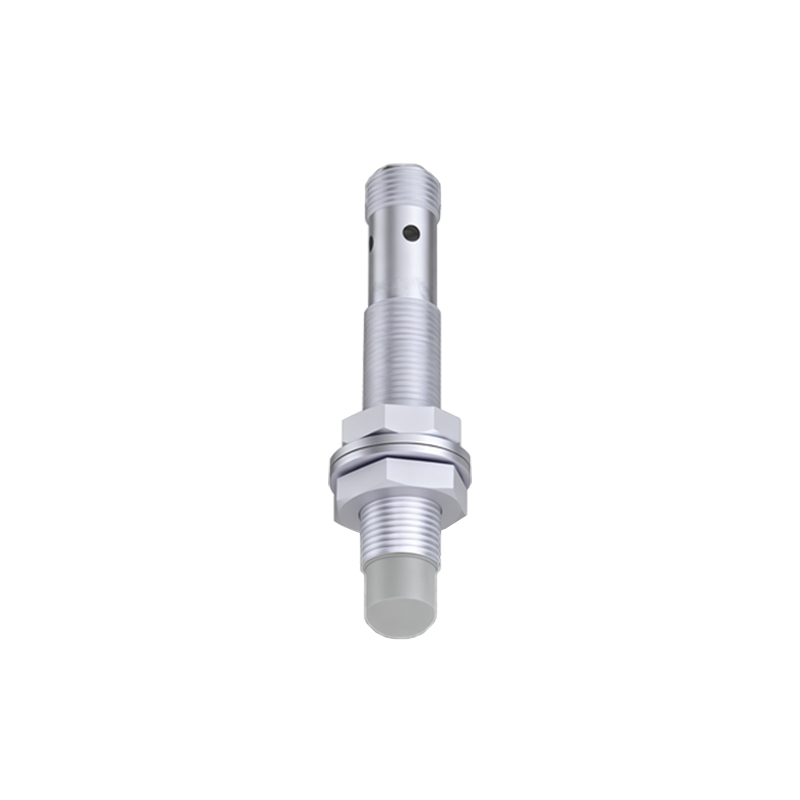
When selecting a proximity sensor cylinder, several key parameters must be considered. The sensing type—magnetic or inductive—should match the application environment. Magnetic sensors are generally immune to contaminants like chips or fluids but can be influenced by strong external magnetic fields. Inductive sensors are robust but require a ferrous metal target. The switching point, or the exact position where the sensor activates, is another critical factor, often adjustable in some models. Voltage and output type (NPN or PNP, normally open or normally closed) must be compatible with the control system. Finally, the cylinder's bore size, stroke length, and mounting style must meet the mechanical force and space requirements of the application.
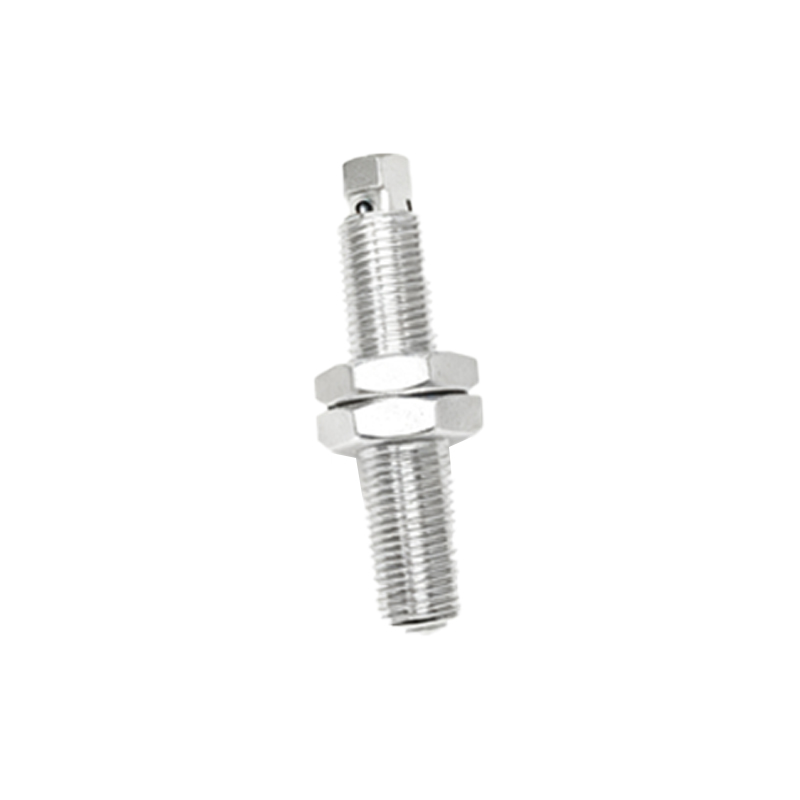
These cylinders find extensive use across diverse industries. In automotive manufacturing, they control robotic grippers and part placement fixtures, providing confirmation that a clamp is fully closed or a part is in position. In food and beverage processing, stainless-steel versions with appropriate seals handle washdown environments, sensing the position of actuators on filling or capping machines. In woodworking and metal stamping, they ensure safety interlocks are engaged before a press cycle can begin.
Looking forward, the evolution of proximity sensor cylinders continues. Modern iterations feature embedded IO-Link communication, transforming them from simple binary switches into smart devices. An IO-Link sensor cylinder can provide not just position data, but also diagnostic information like operating temperature, cycle count, and predictive maintenance alerts, feeding valuable data into Industry 4.0 networks. This intelligence allows for more flexible machine setups and proactive maintenance strategies, minimizing unplanned downtime.
In conclusion, the proximity sensor cylinder is a pivotal component that marries robust actuation with reliable sensing. Its design addresses fundamental challenges in automation—reliability, precision, and simplicity. By providing a sealed, maintenance-friendly solution for accurate end-of-stroke or intermediate position detection, it forms an indispensable part of the backbone in modern, efficient, and intelligent automated systems. Understanding its technology and proper selection criteria is essential for engineers and technicians aiming to optimize machine performance and longevity.