In industrial automation, manufacturing, and outdoor applications, the reliable detection of objects, materials, or personnel is paramount. However, standard sensors often fail when exposed to moisture, dust, oils, or temperature extremes. This is where the waterproof rectangular proximity sensor becomes an indispensable solution. Engineered for durability and precision, these sensors provide consistent, non-contact detection in conditions that would compromise ordinary devices.
The defining characteristic of a waterproof rectangular proximity sensor is its robust housing. Typically constructed from materials like stainless steel (V2A/AISI 304 or V4A/AISI 316) or high-grade plastics such as PBT or PPS, the enclosure is designed to resist corrosion and physical impact. The critical factor is the ingress protection (IP) rating. A rating of IP67 signifies the sensor is dust-tight and can withstand temporary immersion in water up to 1 meter for 30 minutes. For more demanding applications, such as high-pressure washdowns in food processing or permanent submersion, ratings of IP68, IP69K, or even higher are available. The rectangular form factor offers practical advantages, including a larger surface area for mounting, easier alignment, and the potential to house more sophisticated electronics or larger sensing coils compared to cylindrical counterparts.
These sensors operate primarily on two principles: inductive and capacitive sensing. Inductive waterproof rectangular proximity sensors are the most common. They generate an electromagnetic field and detect the presence of metallic objects (ferrous or non-ferrous) by disturbances in that field. They are ideal for detecting machine parts, conveyor pallets, or metal containers in wet or dirty environments like automotive plants or foundries. Capacitive variants, on the other hand, can detect both metallic and non-metallic materials—liquids, plastics, wood, or glass—by sensing changes in capacitance. This makes them perfect for applications involving level detection of liquids or granular materials in tanks, or detecting packaged goods on production lines, even when splashed with water.
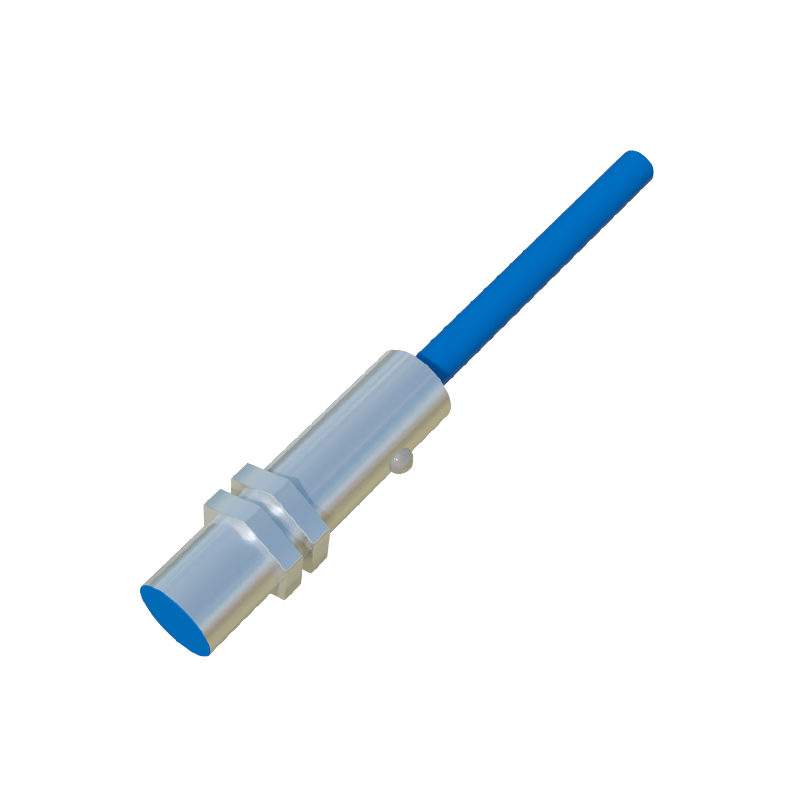
The applications for these rugged sensors are vast and varied. In the food and beverage industry, they must endure frequent, aggressive cleaning with caustic chemicals and high-pressure steam. A waterproof rectangular sensor with an IP69K rating is essential here, ensuring hygiene without sacrificing detection reliability for bottling lines or packaging machinery. In agricultural machinery and outdoor automated systems, they face rain, mud, and temperature fluctuations. Their sealed design prevents failure, enabling reliable position sensing on harvesters or gate controls. Material handling and logistics also heavily rely on them. In warehouses or ports with semi-outdoor conditions, they accurately detect the position of containers, pallets, or automated guided vehicles (AGVs), ensuring smooth and safe operation.
Selecting the right sensor requires careful consideration of several parameters beyond just the IP rating. The sensing range, which is typically shorter for waterproof models due to the thicker housing, must be appropriate for the application. Output type is crucial; options include NPN (sinking), PNP (sourcing), or analog outputs (4-20mA, 0-10V), which must match the control system's input card. Operating voltage (commonly 10-30V DC) and temperature range are also vital, especially for outdoor or freezer applications. Furthermore, the housing material must be compatible with the environment—stainless steel for corrosive settings or FDA-approved plastics for food contact areas.
Installation and maintenance, while straightforward, demand attention to detail to preserve the waterproof integrity. Proper mounting, often using the integrated brackets or threaded holes, is necessary. Cable glands or connectors (typically M8 or M12) must be correctly specified and tightened to maintain the seal. While these sensors are designed for minimal maintenance, periodic checks for physical damage, buildup of debris on the sensing face, and verification of the seal integrity are recommended to ensure long-term, trouble-free service.
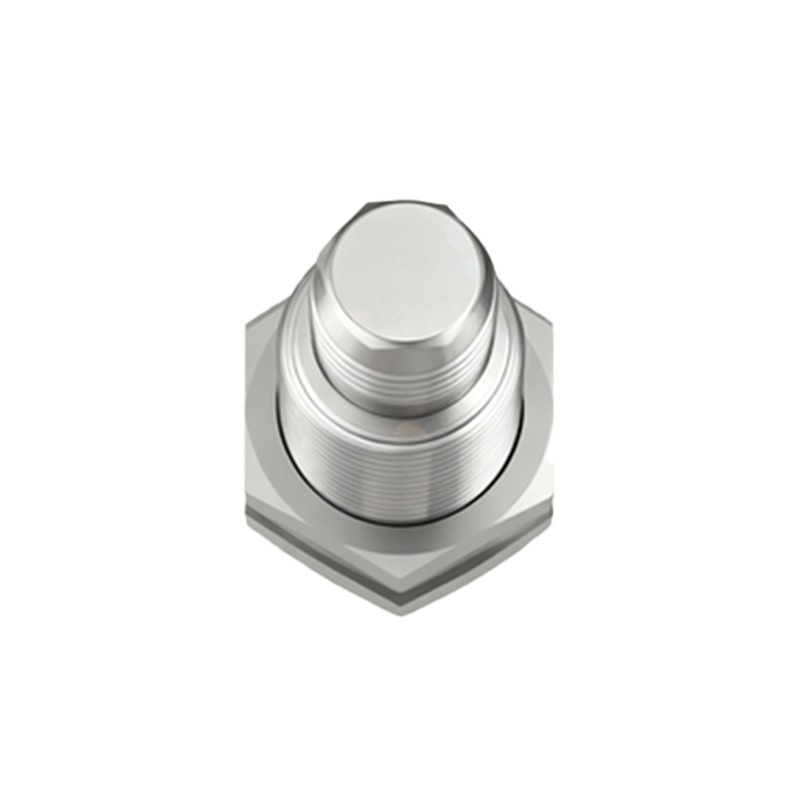
In conclusion, the waterproof rectangular proximity sensor is far more than a simple component; it is a critical enabler of automation in challenging environments. By providing unwavering reliability where water, contaminants, and physical stress are present, it safeguards processes, enhances efficiency, and reduces downtime. For engineers and system integrators, specifying a high-quality sensor with the appropriate technical specifications is a strategic investment in operational resilience and productivity. As industries continue to automate in increasingly harsh and demanding settings, the role of these robust detection devices will only grow in importance.