In the realm of industrial automation and machinery, proximity sensors are indispensable components. They provide non-contact detection of metallic or, in some cases, non-metallic objects, playing a critical role in positioning, counting, and safety applications. A common question that arises on the factory floor or during maintenance cycles is: "Can a faulty proximity sensor be repaired?" The answer, like many in engineering, is not a simple yes or no. It requires a nuanced understanding of sensor types, failure modes, and practical economic considerations.
Firstly, it is essential to understand the fundamental construction of a standard inductive proximity sensor. It typically consists of a coil, an oscillator, a detection circuit, and an output circuit (often transistor-based), all encapsulated in a robust housing, usually made of metal or PBT plastic. The sensing face is a critical, often vulnerable, point. Physical damage to the housing or, more critically, the sensing face, can be catastrophic. A cracked or deeply scratched sensing face often compromises the internal epoxy potting that protects the electronics from moisture, vibration, and chemicals. In such cases, repair at the component level is virtually impossible and economically unviable. The integrity of the housing is paramount for the sensor's IP (Ingress Protection) rating.
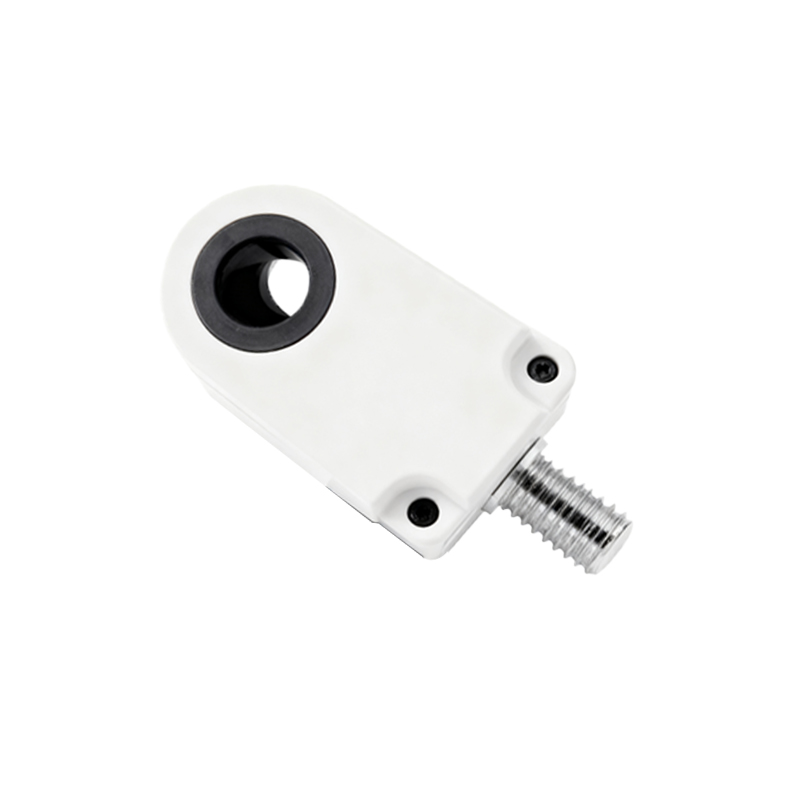
The most common failure modes include complete failure to detect, intermittent operation, reduced sensing range, and output signal errors. Before declaring a sensor irreparable, a systematic diagnostic procedure must be followed. This involves verifying the power supply voltage, checking the load (e.g., the PLC input or relay), and ensuring the target object is within specifications (correct material, size, and approach speed). Using a multimeter or an oscilloscope to monitor the output signal under controlled conditions can isolate the problem to the sensor itself.
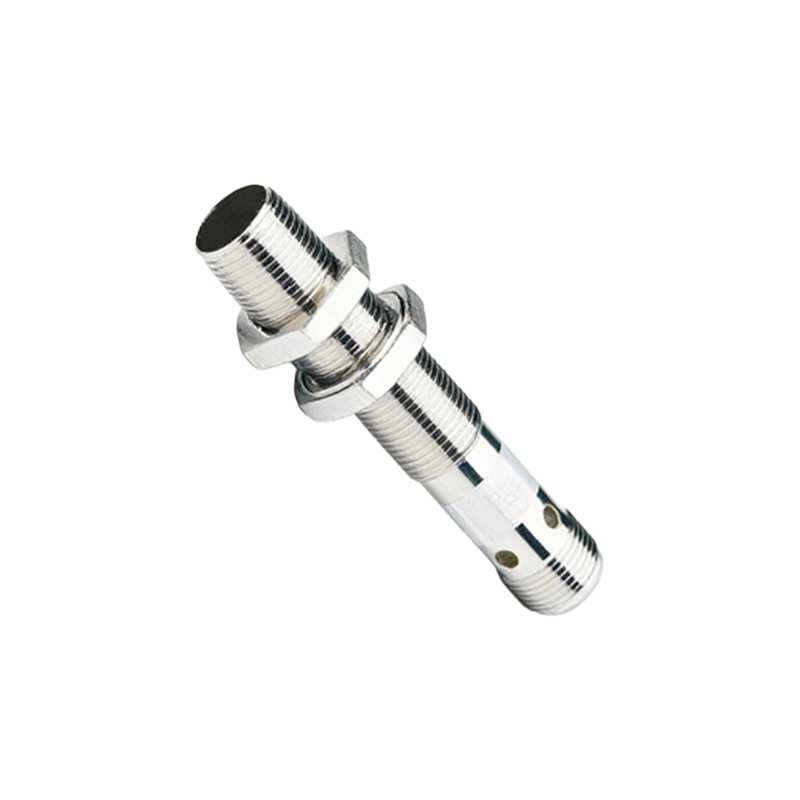
Now, addressing the core question of repair: For most standard, mass-produced cylindrical or block-style proximity sensors, component-level repair is not recommended and is rarely practical. The reasons are multifaceted. These sensors are hermetically sealed and potted with epoxy resin to withstand harsh industrial environments. Disassembling them without destroying the housing is extremely difficult. Even if successfully opened, the potted electronics are a solid block, making access to individual components like the oscillator IC, the coil, or the output transistor nearly impossible. Furthermore, the cost of skilled technician labor time for such meticulous work far exceeds the price of a new, standard sensor, which can range from $20 to $200.
However, there are notable exceptions and alternative approaches that border on "repair":
1. Cable and Connector Issues: A significant percentage of perceived sensor failures are actually wiring problems. Damaged cable insulation, broken wires at the strain relief, or corroded connector pins are common. Sensors with integral cables can sometimes be "repaired" by cutting the cable back to healthy wire and re-terminating it into a new connector, provided the sensor's internal connection point is accessible. For sensors with quick-disconnect connectors, simply replacing the cable or connector is a standard and cost-effective fix.
2. Specialized and High-Value Sensors: For large, specialized, or extremely high-cost sensors (e.g., certain analog or long-range models costing thousands of dollars), the manufacturer may offer a repair or refurbishment service. These services involve returning the unit to the OEM or an authorized center, where they have the proprietary tools, schematics, and replacement sub-assemblies to perform a factory-level refurbishment. This is an exception, not the rule for standard units.
3. Cleaning and Recalibration: Sometimes, a sensor fails due to contamination. Metallic swarf, conductive dust, or a thick buildup of non-conductive material on the sensing face can cause malfunction. A careful cleaning with appropriate solvents (isopropyl alcohol) can restore functionality. For certain advanced sensors with adjustable parameters, a "reset to defaults" or recalibration via a teach-in procedure might resolve software or drift-related issues.
The prevailing industry best practice leans heavily towards replacement rather than repair. The rationale is grounded in reliability and total cost of ownership. A new sensor comes with a full warranty, guaranteed performance specifications, and known reliability. A repaired sensor, even if it functions initially, may have compromised environmental sealing, leading to premature failure that can cause costly unplanned downtime. The risk of a repair failing often outweighs the small upfront savings.
In conclusion, while the instinct to repair is commendable from a sustainability and troubleshooting perspective, the practical reality in the electrical and automation industry is that proximity sensors are generally treated as field-replaceable units. Effective maintenance focuses on proper installation, using suitable guards to prevent physical damage, implementing preventive replacement schedules for sensors in critical applications, and maintaining a small stock of spares. The most valuable "repair" is skilled diagnostics to confirm the sensor is indeed the root