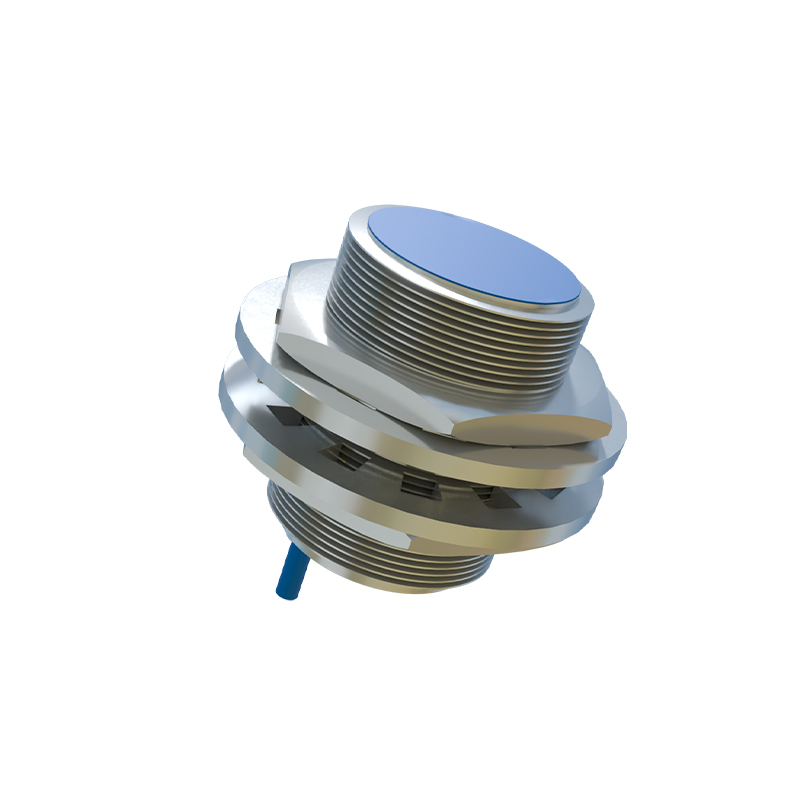
In demanding industrial settings where exposure to corrosive elements is a daily reality, standard sensors often fail prematurely, leading to costly downtime and maintenance. This is where corrosion-resistant proximity sensors become indispensable. These specialized devices are engineered to withstand aggressive environments, ensuring reliable operation and longevity where conventional sensors would quickly degrade.
The core challenge in harsh environments is the presence of substances like saltwater, acidic or alkaline chemicals, chlorides, and various industrial cleaning agents. These agents attack standard sensor housings, seals, and sensing faces, causing pitting, cracking, and ultimately, sensor failure. A corrosion-resistant proximity sensor is specifically designed to combat this. The primary defense lies in its construction materials. High-grade stainless steel, particularly types like 316L or 904L, which offer superior resistance to pitting and crevice corrosion, is commonly used for the housing. For even more extreme conditions, sensors may be housed in materials like Hastelloy, titanium, or feature specialized plastic polymers such as PVDF (Polyvinylidene fluoride) or PPS (Polyphenylene sulfide). These materials are selected for their inert properties and ability to resist chemical attack.
Beyond the housing, every component is considered. The sensing face, a critical point of exposure, is often made from a chemically inert ceramic material like alumina ceramic. This provides an impervious barrier that protects the internal coil and electronics from corrosive media. Furthermore, high-quality sealing is paramount. Advanced elastomers like FKM (Fluoroelastomer/Viton) or FFKM (Perfluoroelastomer) are used for O-rings and gaskets, offering excellent resistance to a wide range of chemicals, oils, and extreme temperatures. The sealing process itself is precise, often involving laser welding or advanced potting compounds to create a hermetically sealed unit that prevents any ingress of corrosive liquids or gases.
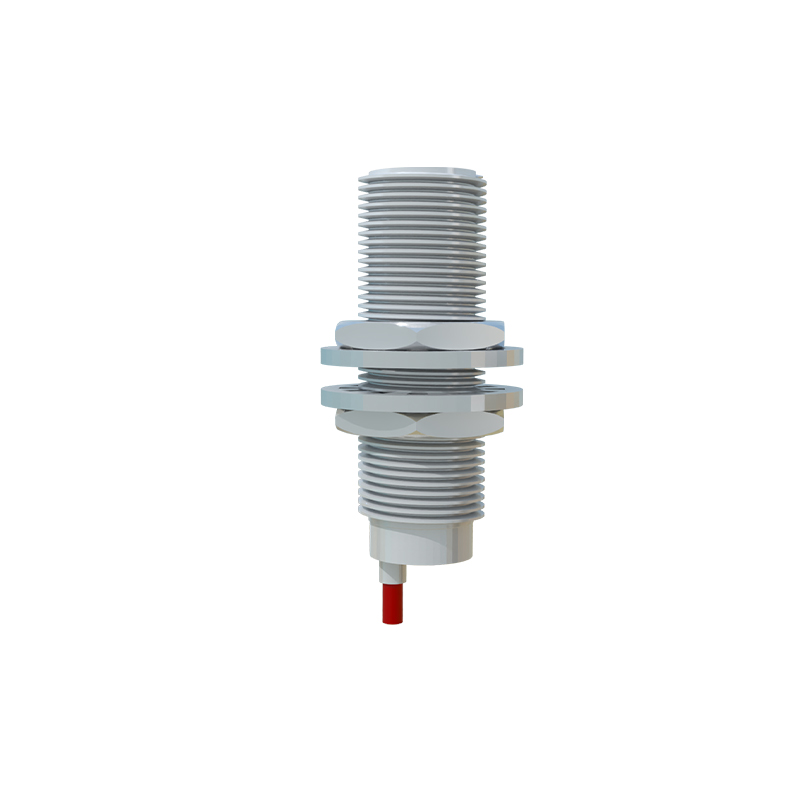
The benefits of deploying these robust sensors are substantial. The most significant is dramatically increased service life. By resisting corrosion, these sensors maintain their sensing characteristics and mechanical integrity over extended periods, reducing the frequency of replacement. This directly translates to lower total cost of ownership, despite a higher initial investment. Reliability is another key advantage. In automated processes, an unexpected sensor failure can halt an entire production line. Corrosion-resistant sensors provide consistent, dependable detection, minimizing unplanned stoppages and ensuring process continuity. This reliability is crucial for maintaining product quality and throughput in industries like chemical processing, offshore oil and gas, marine applications, food and beverage processing (where caustic cleaners are used), and wastewater treatment.
When selecting a corrosion-resistant proximity sensor, several factors must be evaluated. First, identify the specific corrosive agents present in the application. No single material resists everything, so matching the sensor's material specification to the environment is critical. International protection ratings are also key indicators. An IP67 rating guarantees protection against dust ingress and temporary immersion, while IP68/69K ratings offer protection against prolonged immersion and high-pressure, high-temperature washdowns. The sensing technology—inductive, capacitive, or ultrasonic—must also be chosen based on the target material and application requirements. Inductive sensors, for instance, are ideal for detecting metals even through buildup or coatings.
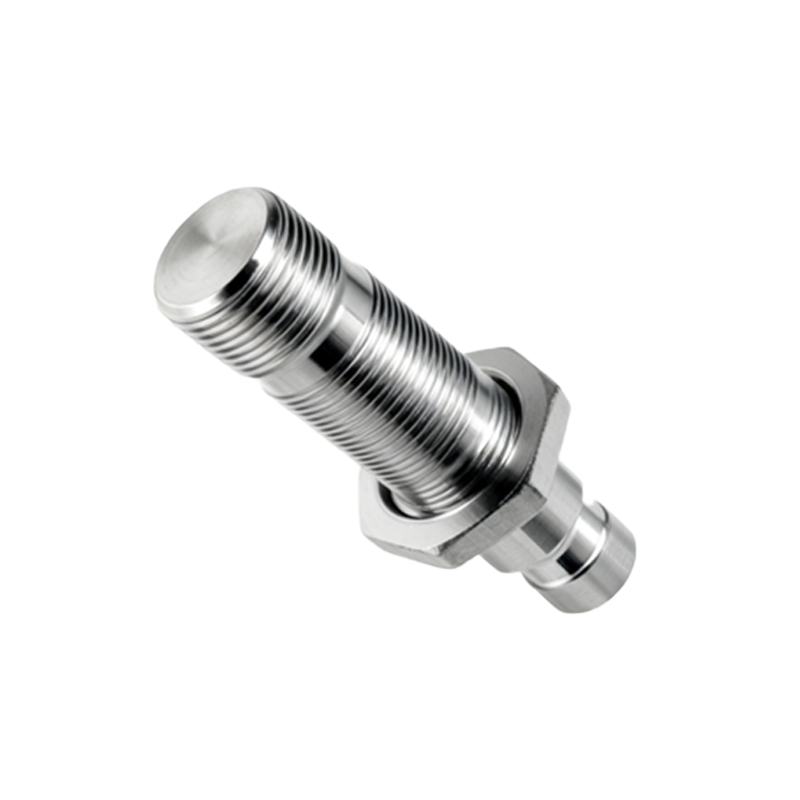
Installation and maintenance, while minimal, are important for maximizing sensor life. Proper mounting, using compatible hardware (also corrosion-resistant), and ensuring cables and connectors are appropriately rated for the environment will prevent weak points in the system. Regular visual inspections for physical damage or coating wear are recommended as part of a preventive maintenance schedule.
In conclusion, corrosion-resistant proximity sensors are not merely an option but a necessity for ensuring automation reliability in corrosive industrial landscapes. Their specialized construction from advanced materials and meticulous sealing techniques provides a formidable defense against chemical and environmental degradation. By investing in these purpose-built sensors, industries can achieve greater operational uptime, reduce long-term maintenance costs, and enhance the safety and efficiency of their processes in the most challenging conditions.