In the rapidly evolving landscape of industrial automation, the integration of laser inductive sensor hands represents a significant leap forward in precision, efficiency, and adaptability. These advanced end-effectors, often mounted on robotic arms, combine the non-contact measurement capabilities of laser sensors with the robust detection features of inductive proximity sensors. This synergy enables unparalleled performance in complex manufacturing environments, where accuracy and reliability are paramount.
Laser sensors within these systems typically employ time-of-flight or triangulation principles to measure distances, detect object presence, or profile surfaces with micron-level precision. They emit focused light beams—often from laser diodes—and analyze the reflected signals. This allows for high-resolution scanning of components, crucial for tasks like quality inspection, part alignment, or assembly verification. For instance, in automotive assembly lines, laser sensor hands can precisely gauge gap dimensions between body panels or verify the placement of electronic components on circuit boards, ensuring stringent quality standards are met.
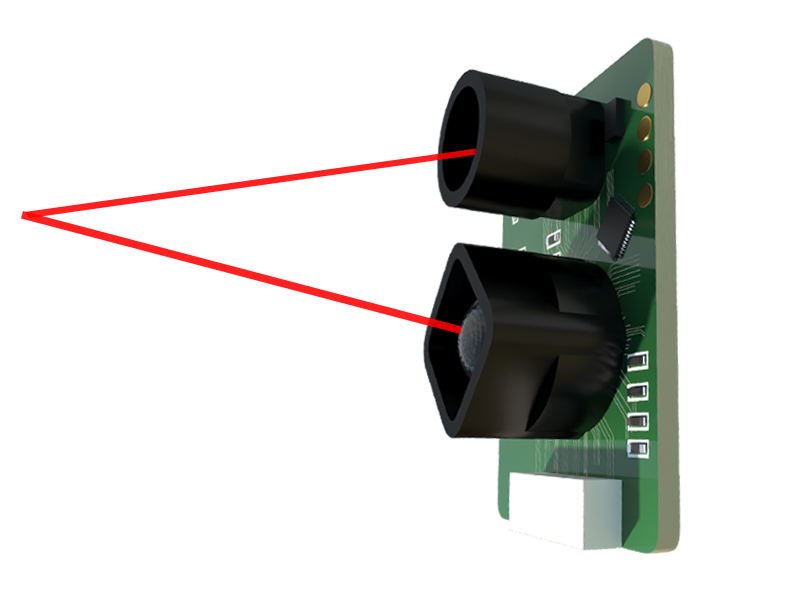
Complementing this, inductive sensors provide robust object detection, particularly for metallic targets. Operating on electromagnetic induction principles, they generate an oscillating magnetic field. When a metallic object enters this field, eddy currents are induced, altering the oscillation and triggering a detection signal. This makes them immune to environmental factors like dust, oil, or ambient light, which might interfere with optical systems. In a sensor hand, inductive elements are often used for proximity sensing—confirming the presence of a metal workpiece before a robotic grip or guiding a tool to an exact starting position. Their durability and fast response times enhance the hand's reliability in high-speed production settings.
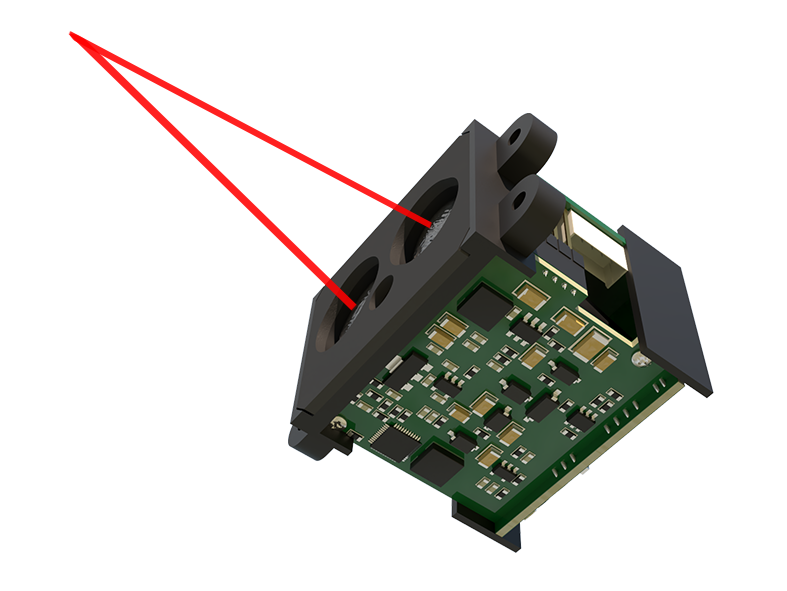
The true innovation lies in the seamless fusion of these technologies into a cohesive "hand" unit. Modern designs incorporate compact laser and inductive modules alongside intelligent processing units. These units, powered by embedded algorithms, can process sensor data in real-time, enabling adaptive behaviors. For example, a sensor hand might use laser data to map a part's contours while employing inductive feedback to confirm metallic composition, adjusting grip force accordingly to prevent damage. This is vital in industries like aerospace, where handling delicate yet robust titanium components requires both finesse and certainty.

Applications span diverse sectors. In electronics manufacturing, these hands facilitate the precise placement of microchips, using lasers to align circuits and inductive sensors to detect connector positions. In logistics, they enable automated sorting of mixed-material items, distinguishing metal containers from plastic ones while measuring dimensions for packaging. The food and pharmaceutical industries benefit too, with laser sensors ensuring fill levels in metal cans, and inductive elements verifying cap seals without physical contact, maintaining hygiene.
Key advantages include enhanced flexibility and reduced downtime. Traditional mechanical hands often require retooling for different tasks, but laser inductive sensor hands can be reprogrammed swiftly via software. They support Industry 4.0 initiatives by generating valuable data—such as measurement logs or detection rates—that feed into predictive maintenance systems, alerting operators to potential sensor wear or calibration needs before failures occur. This proactive approach minimizes production halts and lowers long-term costs.
However, challenges persist. High initial investment can be a barrier for small enterprises, and the complexity of integrating multiple sensor types demands skilled personnel for calibration and troubleshooting. Environmental extremes, like intense heat or vibration, may also affect laser accuracy, necessitating protective housings or cooling systems. Ongoing research focuses on improving cost-effectiveness, developing more resilient materials, and enhancing AI-driven data fusion to overcome these hurdles.
Looking ahead, trends point toward greater miniaturization and smarter autonomy. Emerging technologies like quantum dot lasers promise even finer resolution, while advancements in machine learning allow sensor hands to "learn" from operational data, optimizing their own performance over time. As collaborative robots (cobots) become more prevalent, these sensor hands will play a pivotal role in safe human-robot interaction, using lasers to monitor proximity and inductive sensors to detect unintended metal contacts, ensuring workplace safety.
In conclusion, laser inductive sensor hands are transforming industrial automation by merging precise optical measurement with reliable metallic detection. They embody the shift toward intelligent, adaptable manufacturing systems, driving productivity and quality across global industries. As technology continues to advance, their capabilities will expand, further blurring the lines between human dexterity and robotic precision.