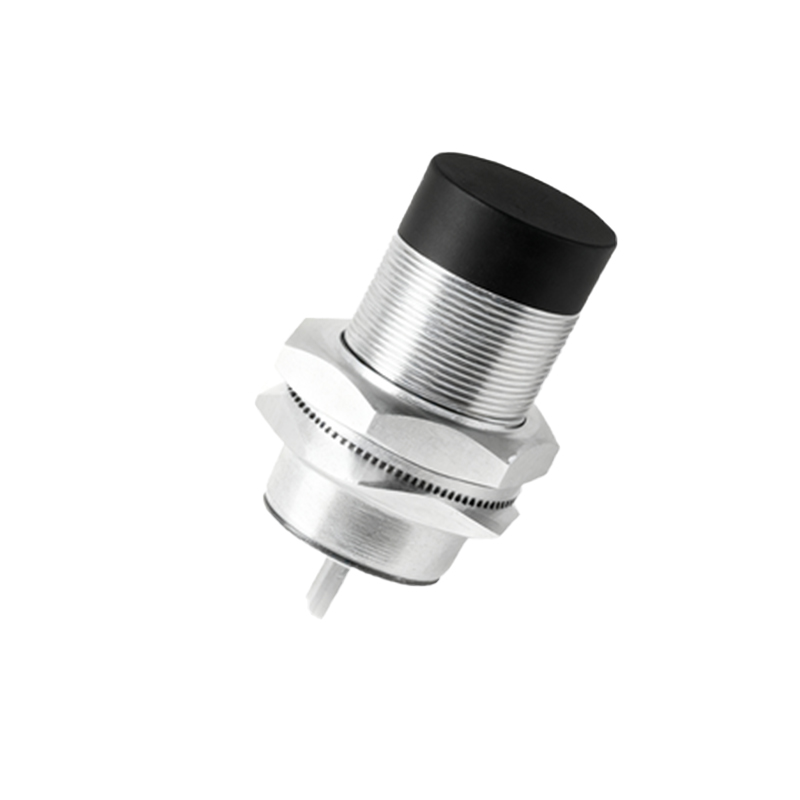
In the realm of industrial automation and electrical engineering, metal proximity sensors play a pivotal role in detecting the presence or absence of metallic objects without physical contact. These devices are widely utilized across various sectors, including manufacturing, automotive, and robotics, due to their reliability and efficiency. The English abbreviation commonly used for metal proximity sensors is "MPS," which stands for "Metal Proximity Sensor." This concise term facilitates clear communication in technical documentation, schematics, and international standards, ensuring seamless integration into complex systems.
The functionality of MPS relies on electromagnetic principles, where an oscillating circuit generates a high-frequency field. When a metallic object enters this field, it induces eddy currents, causing a change in the oscillation amplitude or frequency. This alteration is detected by the sensor, triggering an output signal—typically a digital switch—that can be used to control machinery, count parts, or ensure safety in automated processes. Key types of MPS include inductive proximity sensors, which are specifically designed for ferrous and non-ferrous metals, offering high precision and durability in harsh environments.
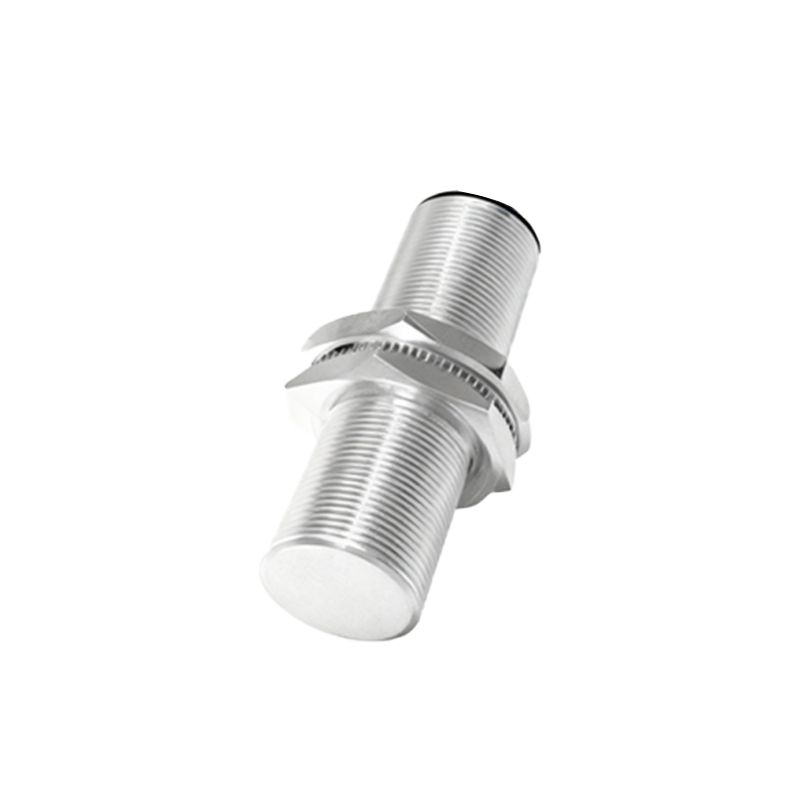
In practice, selecting the right MPS involves considering factors such as sensing range, material composition, and environmental conditions. For instance, sensors with shorter ranges provide higher accuracy for precise positioning, while those with extended ranges are suited for bulk detection. Additionally, MPS units are often rated by standards like IEC 60947-5-2, which defines their performance and safety parameters. Engineers must also account for interference from other electromagnetic sources, ensuring proper shielding and installation to maintain optimal operation.

The adoption of MPS has revolutionized automation by enabling non-contact detection, reducing wear and tear, and enhancing system longevity. In assembly lines, they monitor component placement; in security systems, they detect unauthorized access; and in quality control, they verify material integrity. As technology advances, smart MPS variants with integrated diagnostics and connectivity features are emerging, supporting Industry 4.0 initiatives for real-time data analysis and predictive maintenance.
Overall, the abbreviation "MPS" serves as a universal shorthand in technical contexts, streamlining discussions and documentation. Its widespread recognition underscores the importance of metal proximity sensors in modern engineering, driving efficiency and innovation across industries. By understanding its principles and applications, professionals can leverage MPS to optimize automated systems, contributing to safer and more productive operational environments.