In the dynamic environment of modern aviation, the aircraft boarding bridge, commonly known as the passenger boarding bridge (PBB) or jet bridge, serves as a critical interface between the terminal and the aircraft. Ensuring the safe, precise, and efficient alignment and docking of this movable structure is paramount. This is where proximity sensors play an indispensable role, acting as the electronic "eyes" and "touch" of the system.
Proximity sensors are non-contact devices designed to detect the presence or absence of an object within a specified range without physical contact. In the context of boarding bridges, they are strategically deployed to monitor the bridge's position relative to the aircraft fuselage, particularly the door area. The primary types used include inductive sensors for detecting metallic parts of the aircraft structure and ultrasonic sensors for measuring distance to the aircraft body, which is often composite or painted metal.
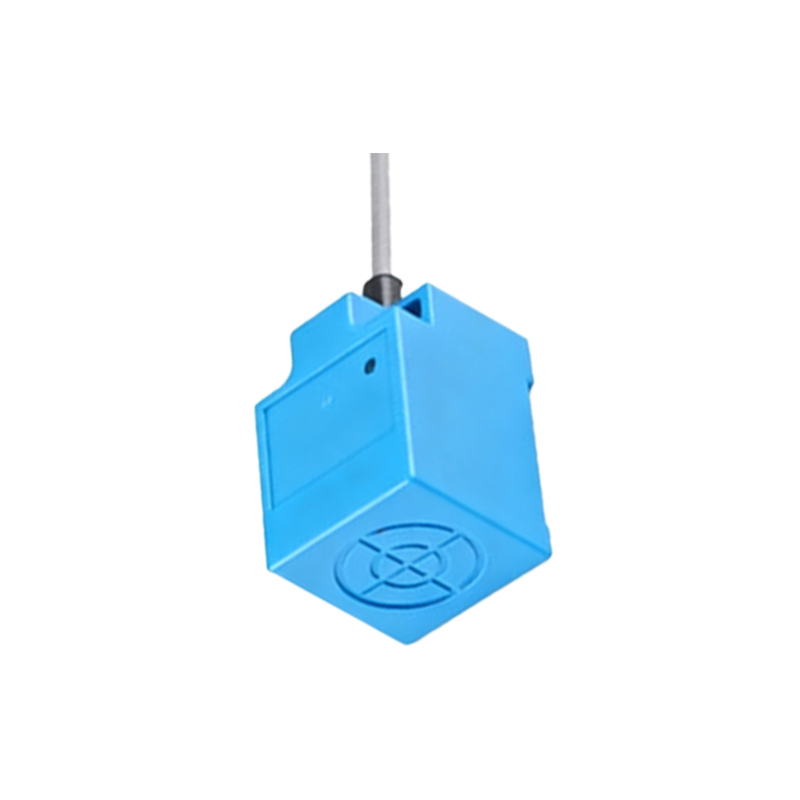
The operational sequence begins as the bridge operator maneuvers the bridge from its parked position toward the aircraft. Proximity sensors are installed on the bridge's cab, or "hood," facing the aircraft. As the bridge approaches, these sensors continuously feed real-time distance data to the bridge's control system. This system processes the information to provide visual or auditory cues to the operator, ensuring a slow, controlled final approach. The most critical phase is the final docking, where sensors ensure the bridge's canopy seals perfectly against the aircraft door frame without applying excessive force that could damage the multi-million-dollar aircraft skin.
The benefits are multifaceted. First and foremost is safety. By preventing physical collision, sensors protect both the aircraft from costly damage and ground personnel from potential hazards. They are vital for preventing incidents where a bridge might contact sensitive areas like antennas, sensors, or painted surfaces on the aircraft. Secondly, they enhance operational efficiency. Automated systems using sensor feedback can enable semi-automatic or fully automatic docking sequences, reducing bridge turnaround time and minimizing human error. This is crucial for maintaining tight flight schedules. Furthermore, these sensors contribute to passenger comfort by ensuring a stable, gap-free connection, preventing drafts and enhancing the boarding/deboarding experience.
Modern proximity sensors in this application are built to withstand harsh environmental conditions. They are typically housed in robust, weatherproof enclosures rated for IP67 or higher, protecting against rain, dust, extreme temperatures, and vibration—common in the apron area. Their reliability is non-negotiable, as any failure could lead to operational delays or safety incidents. Regular maintenance and calibration are part of standard airport operational procedures to ensure continued accuracy.
Looking ahead, integration with the broader Airport Internet of Things (IoT) ecosystem is the next frontier. Sensor data can be logged and analyzed for predictive maintenance, operational analytics, and integration with airport management systems. As aircraft designs evolve with new materials and door configurations, sensor technology will adapt, potentially incorporating more advanced laser-based or vision-based systems for even greater precision.
In conclusion, proximity sensors are a small but vital component in the ground support equipment arsenal. Their silent, continuous operation underpins the safety, efficiency, and reliability of one of the most visible passenger processes in air travel. Their evolution continues to be driven by the aviation industry's unrelenting pursuit of safety and operational excellence.