In the demanding world of industrial automation and control, the reliability of sensing components is non-negotiable. Among these, the waterproof proximity sensor stands as a critical guardian of operational continuity, especially in environments where exposure to moisture, dust, and aggressive fluids is a constant challenge. Unlike standard inductive or capacitive sensors, waterproof variants are engineered with specialized housings, sealed connectors, and robust materials to withstand conditions that would swiftly incapacitate their conventional counterparts.
The core principle of operation remains unchanged—detecting the presence or absence of a metallic or non-metallic target without physical contact. However, the implementation is fortified. Typically, these sensors are encased in housings made from materials like stainless steel (often grade 316L for superior corrosion resistance) or high-performance polymers such as PBT or PPS. The sealing is paramount, achieved through intricate methods including laser-welded housings, multi-layered epoxy resin potting, and high-grade elastomer seals (e.g., Viton or EPDM) at all potential ingress points. International protection ratings, chiefly the IP (Ingress Protection) and NEMA (National Electrical Manufacturers Association) standards, quantify this resilience. A rating of IP67 signifies protection against temporary immersion, while IP68 and IP69K denote protection against prolonged immersion under pressure and high-pressure, high-temperature jet cleaning, respectively. NEMA 4X is a common equivalent, indicating protection against hose-directed water and corrosion.
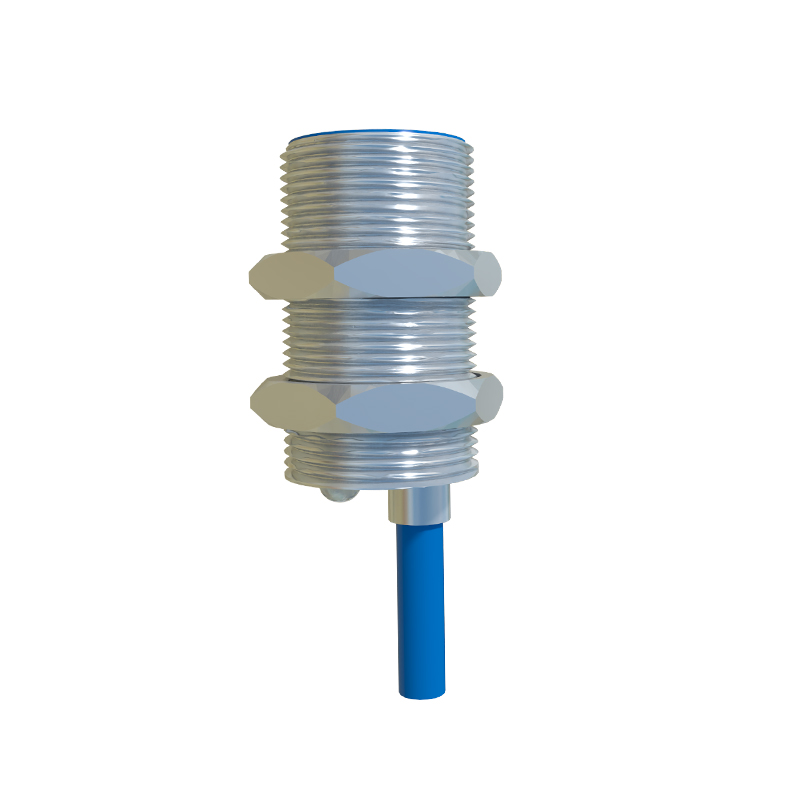
The applications for waterproof proximity sensors are vast and varied. In food and beverage processing, they must endure frequent washdowns with caustic cleaning agents. Sensors here often feature smooth, crevice-free surfaces (hygienic design) to prevent bacterial growth. In marine and offshore applications, resistance to saltwater corrosion is critical. Within automotive manufacturing, particularly in painting and coating stages, sensors are exposed to overspray and solvents. Waterproof sensors ensure reliable detection of vehicle bodies on conveyors or robotic arm positions. They are equally indispensable in wastewater treatment plants, mining operations, and agricultural machinery, where mud, slurry, and constant moisture are ever-present.
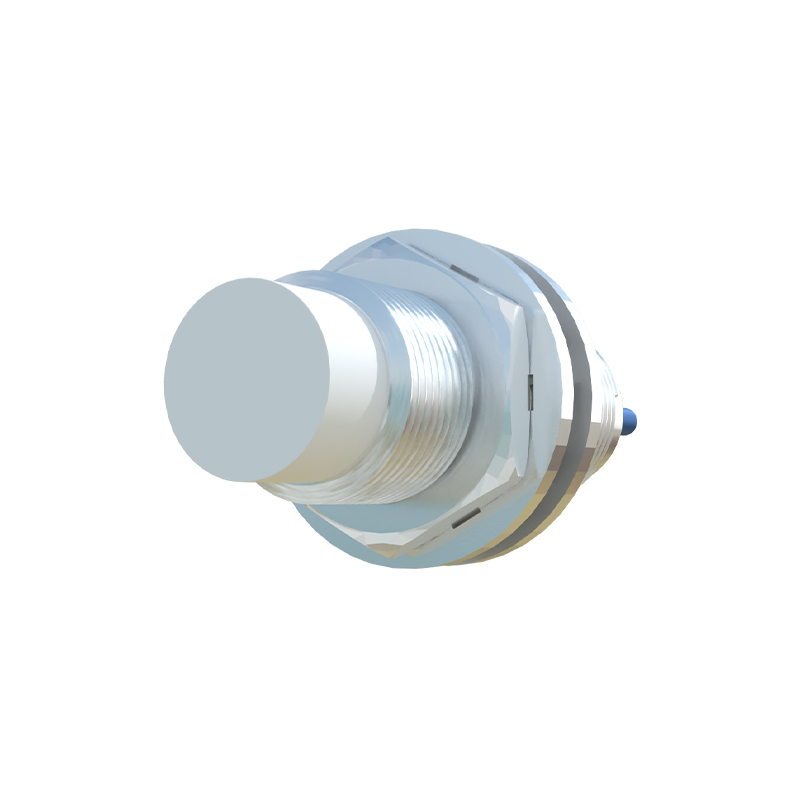
Selecting the appropriate waterproof proximity sensor requires careful consideration of several parameters beyond just the IP rating. The sensing distance, which can be slightly reduced compared to standard models due to thicker housing walls, must be adequate for the application. The output type (PNP/NPN, NO/NC analog, or IO-Link for digital communication) must interface correctly with the controller. Temperature range is crucial; some sensors are designed to function reliably from sub-zero temperatures up to high ambient heat. Chemical compatibility is another key factor—ensuring the housing and seal material will not degrade when exposed to specific oils, fuels, or acids present in the operational environment.
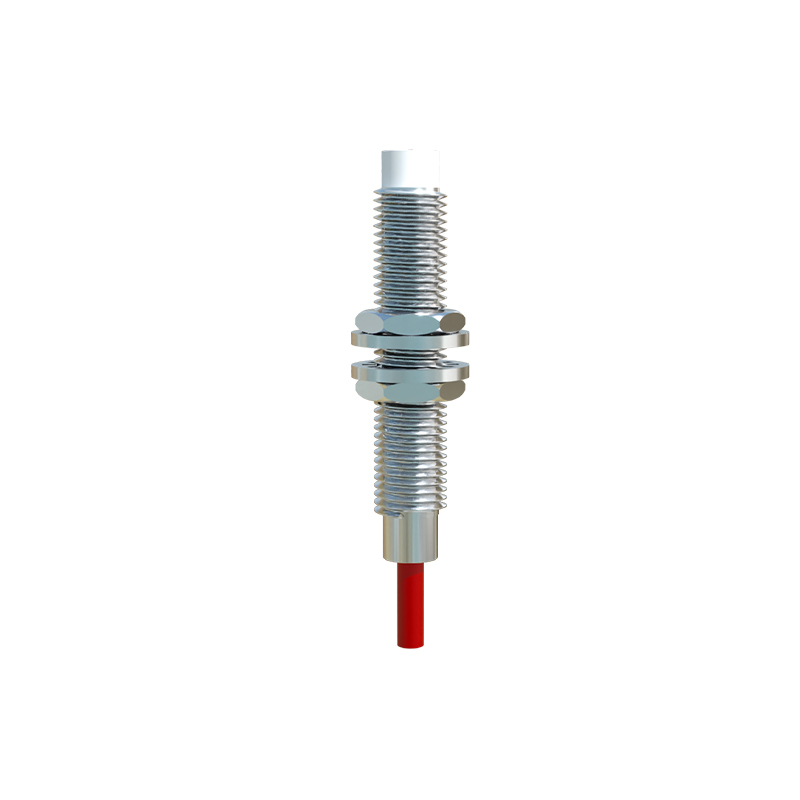
Installation and maintenance, while designed for longevity, are not areas for compromise. Proper mounting, using the correct gaskets and ensuring sealed cable glands or connectors are tightened to specification, is essential to maintain the integrity of the seal. Even the most robust sensor can fail if installed incorrectly. Routine inspections for physical damage, seal integrity, and connector corrosion are recommended as part of a predictive maintenance strategy.
The evolution of these sensors continues. Modern waterproof proximity sensors increasingly incorporate smart features. IO-Link communication allows for not just binary detection but also the transmission of detailed diagnostic data—operating temperature, signal strength, and even warnings about potential seal degradation. This facilitates condition-based monitoring, moving from reactive maintenance to true predictive analytics, thereby minimizing unplanned downtime.
In conclusion, the waterproof proximity sensor is far more than a simple switch. It is a precisely engineered solution that bridges the gap between sensitive electronic detection and the harsh realities of industrial environments. By providing unwavering reliability amidst water, chemicals, and contaminants, it forms an indispensable link in the automated chain, ensuring safety, efficiency, and productivity in sectors where failure is not an option. Its continued advancement with digital capabilities further cements its role as a foundational component of resilient and intelligent industrial systems.