Proximity light sensors are critical components in modern industrial automation, robotics, and safety systems. Accurate testing ensures reliable performance, longevity, and compliance with industry standards. This article outlines comprehensive testing methodologies for engineers and technicians.
The primary testing categories include functional verification, environmental stress testing, and long-term reliability assessment. Begin with a visual inspection under magnification to check for physical defects, contamination, or misalignment of optical elements. Verify the sensor’s datasheet specifications, such as operating voltage, current consumption, and output type (digital or analog).
For functional testing, use calibrated reference targets at specified detection distances. Measure the sensor’s response time by toggling the target presence and recording the output signal with an oscilloscope. Ensure the hysteresis—difference between activation and deactivation points—falls within manufacturer tolerances. Test repeatability by performing multiple detection cycles and calculating standard deviation.
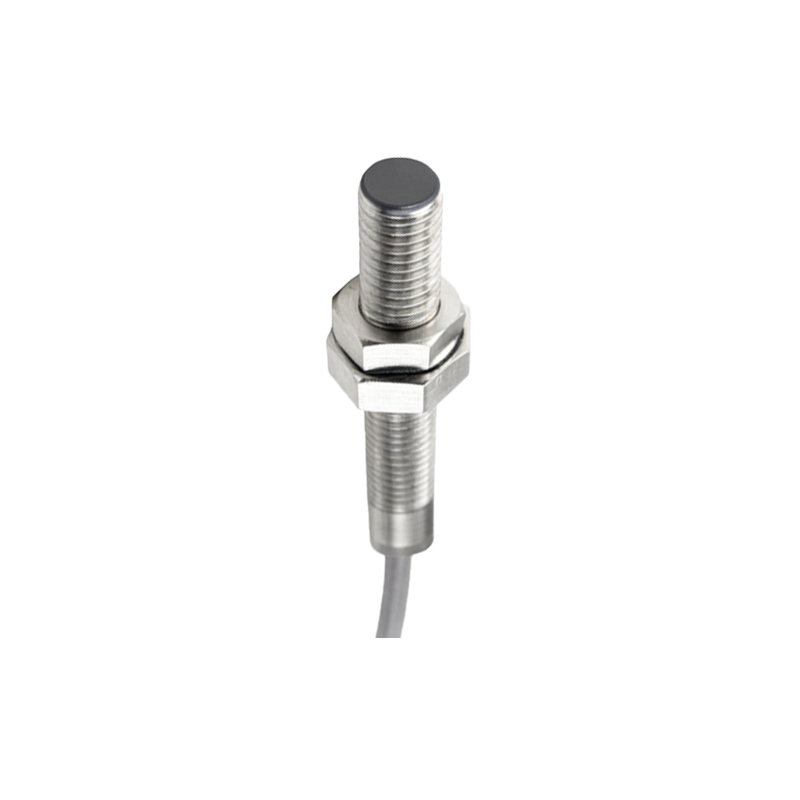
Environmental testing simulates real-world conditions. Temperature tests involve placing the sensor in a climate chamber, cycling between extreme operating temperatures (e.g., -40°C to 85°C), and monitoring performance drift. Humidity resistance tests assess functionality in high-moisture environments, typically at 85% relative humidity. Vibration and shock tests, following IEC 60068-2-64 standards, ensure mechanical robustness.
Optical performance evaluation requires precise equipment. Use a light meter to verify the emitted infrared or visible light intensity, ensuring it matches the specified wavelength and output power. Test ambient light immunity by exposing the sensor to controlled external light sources (e.g., sunlight, fluorescent lamps) and checking for false triggers. For reflective-type sensors, measure the sensitivity to different surface colors and materials, as reflectivity impacts detection range.

Electrical testing includes surge immunity, electrostatic discharge (ESD) protection per IEC 61000-4-2, and electromagnetic compatibility (EMC) tests. Verify the sensor’s noise immunity by introducing electrical interference on power lines and observing signal stability. Long-term reliability involves accelerated life testing, where the sensor operates continuously under maximum load for hundreds of hours, with periodic performance checks.
Document all test results, including pass/fail criteria, measurement uncertainties, and environmental conditions. Implement a statistical process control (SPC) system for production-line testing to identify trends and prevent defects. Regular calibration of test equipment is essential to maintain accuracy.
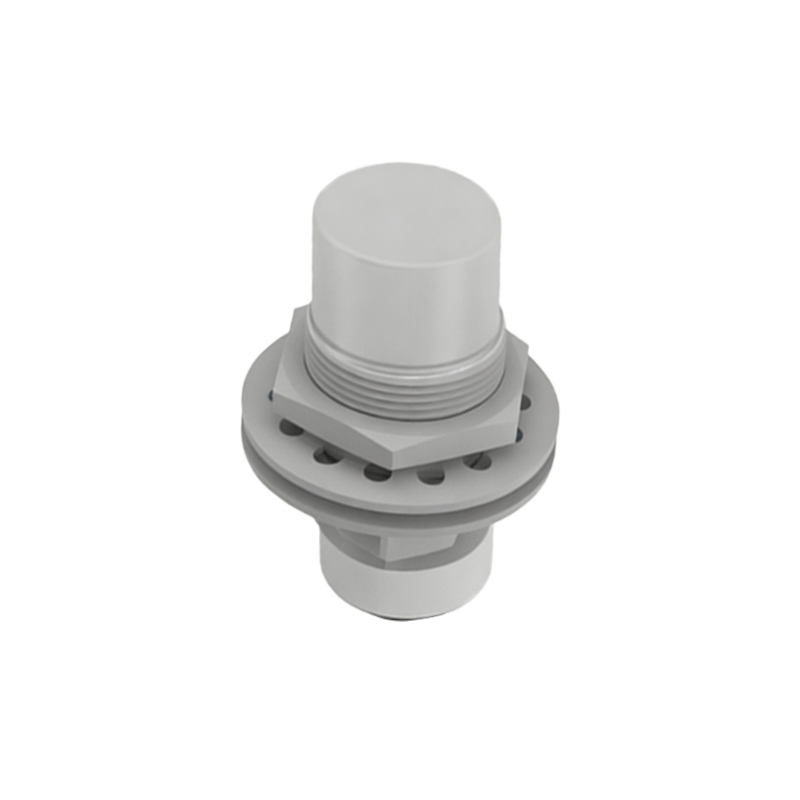
By adhering to these methods, engineers can ensure proximity light sensors meet stringent industrial requirements, reducing downtime and enhancing system safety. Always consult the latest industry standards, such as ISO 13856 for safety-related applications, and update testing protocols accordingly.