In today's rapidly advancing technological landscape, proximity sensors have become indispensable components across a vast array of industries and consumer products. Their ability to detect the presence or absence of an object without physical contact ensures reliability, efficiency, and enhanced safety. Selecting the right model is paramount for optimal system performance. This guide explores key high-quality proximity sensor models, their operating principles, and ideal applications, providing a foundation for informed decision-making.
The fundamental technology behind proximity sensors varies, primarily divided into inductive, capacitive, and photoelectric types. Inductive proximity sensors are the workhorses of industrial automation. They generate an electromagnetic field and detect the eddy current losses caused when a metallic target enters this field. Renowned for their robustness and insensitivity to non-metallic materials like dust or oil, they excel in harsh factory environments. A leading model in this category is the Omron E2E-X series. These cylindrical sensors offer exceptional sensing distances, high-speed response, and outstanding environmental resistance, making them perfect for precise position detection in machinery, conveyor systems, and robotic arms.
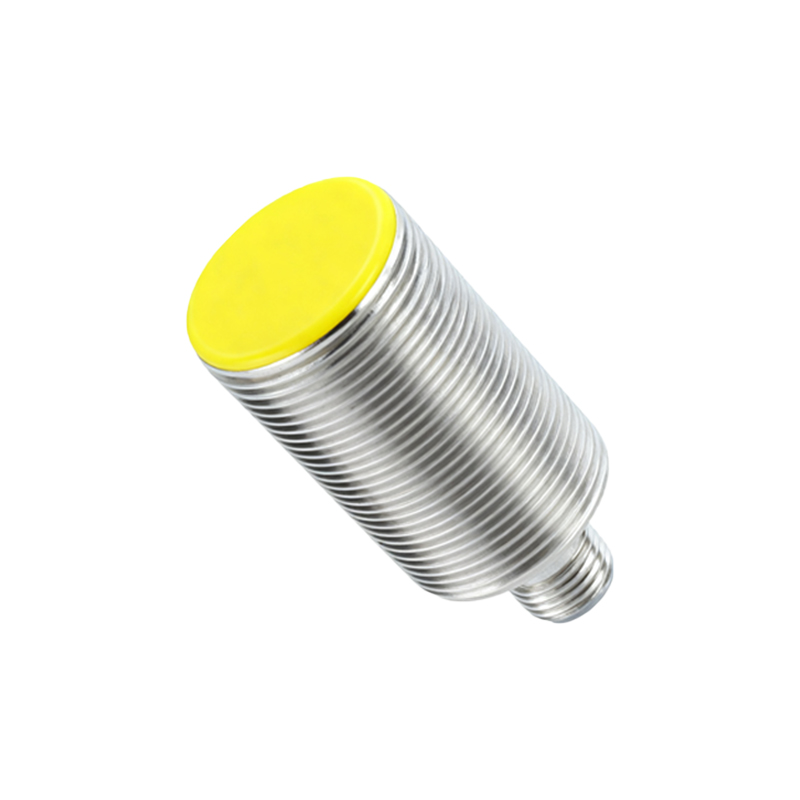
For detecting non-metallic objects such as wood, plastic, liquids, or granular materials, capacitive proximity sensors are the preferred choice. They function by measuring changes in capacitance between the sensor's electrode and the ground, which occurs when any material with a different dielectric constant enters the sensing zone. The Sick C Series stands out for its versatility and sensitivity adjustment capability. This feature allows fine-tuning to ignore certain background materials (like a container wall) while detecting the target material inside, ideal for level detection in tanks, packaging lines, or touch-sensitive control panels.
Photoelectric sensors, utilizing a light beam (often infrared, laser, or LED), offer the longest sensing ranges and high precision. They are categorized into through-beam, retro-reflective, and diffuse-reflective models. The Banner QS18 series is a benchmark for reliability in diffuse-reflective sensing. These sensors emit a light beam and detect the reflection from the target object itself. Their rugged, self-contained design with potentio-meter sensitivity adjustment ensures consistent performance in detecting objects of varying colors and surfaces, widely used in material handling, automated doors, and assembly line counting.
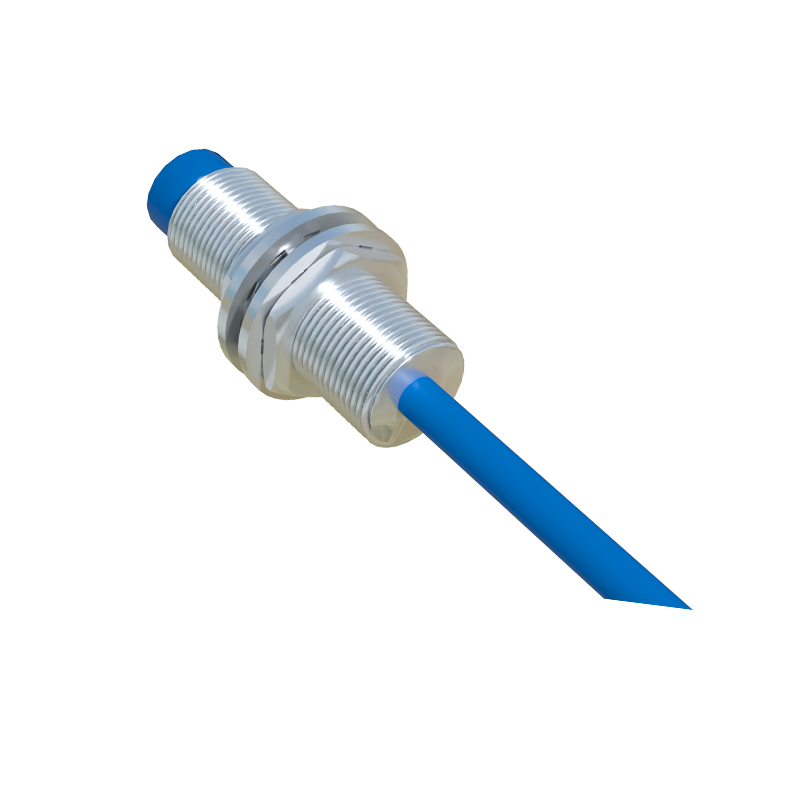
Beyond these core types, specialized models address unique challenges. Ultrasonic proximity sensors, like the Pepperl+Fuchs UC Series, use sound waves to detect objects regardless of material, color, or transparency. They are invaluable in challenging conditions with dust, fog, or target surfaces that confuse optical sensors, commonly applied in parking assistance systems and bulk solid level monitoring.
Magnetic proximity sensors, or reed switches activated by a magnet, provide a simple, low-power solution. The Honeywell 59150 series offers miniature, surface-mount designs with high reliability for millions of operations. These are fundamental in security systems (door/window sensors), automotive applications, and low-current switching where absolute precision is less critical than cost and durability.
When selecting a high-quality model, several technical specifications demand attention. The sensing distance (rated operating distance) must accommodate the application's mechanical tolerances. Repeatability indicates the sensor's precision in consistently detecting an object at the same point. Response frequency determines how quickly the sensor can detect objects passing in rapid succession. Environmental ratings (IP or NEMA codes) for ingress protection against dust and water are critical for longevity in industrial settings. Additionally, the output type (PNP/NPN transistor, analog, or IO-Link) must be compatible with the control system's input module.
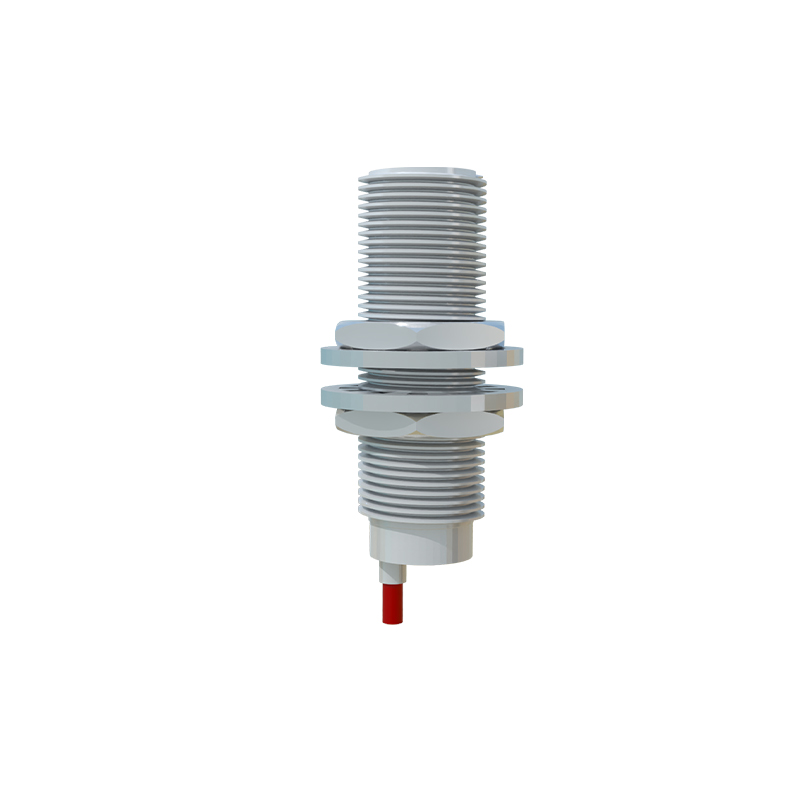
Leading manufacturers such as Omron, Sick, Banner Engineering, Pepperl+Fuchs, and Balluff not only provide a wide range of standard models but also offer sensors with advanced diagnostics, condition monitoring via IO-Link, and exceptional resistance to welding fields or extreme temperatures. Investing in sensors from these reputable brands often translates to lower total cost of ownership due to reduced downtime and maintenance.
In conclusion, the "best" proximity sensor model does not exist in a vacuum; it is entirely defined by the application's specific requirements—target material, required sensing distance, environmental conditions, and electrical interface. By understanding the strengths of inductive, capacitive, photoelectric, ultrasonic, and magnetic technologies, and by carefully evaluating the specifications of proven series from established manufacturers, engineers and designers can reliably integrate these silent sentinels to build smarter, safer, and more efficient automated systems.