In the demanding environment of modern mining, the integration of advanced laser sensor technology has become a cornerstone for operational safety, precision, and efficiency. Mining laser sensors, specifically designed for harsh underground conditions, offer unparalleled capabilities in distance measurement, object detection, and environmental monitoring. These devices utilize laser beams to accurately gauge distances to walls, machinery, or obstacles, providing critical data for navigation, collision avoidance, and spatial mapping in real-time.
The core principle involves emitting a focused laser pulse and measuring the time it takes for the reflection to return. This Time-of-Flight (ToF) technology ensures high accuracy even in low-visibility scenarios filled with dust or fog, common challenges in mining shafts. Modern variants incorporate eye-safe laser classes and robust housings resistant to vibrations, extreme temperatures, and moisture, complying with stringent mining safety standards such as ATEX or IECEx for explosive atmospheres.

Key applications are transformative. In autonomous or remote-controlled mining vehicles, laser sensors act as the eyes, continuously scanning the surroundings to prevent accidents and optimize routing. For conveyor belt systems, they monitor material levels and detect misalignment or blockages, preventing costly downtimes. In shaft surveying and cavity profiling, they generate precise 3D models, aiding in stability assessment and resource planning. Furthermore, in ventilation control, lasers help measure airflow and detect gas concentrations indirectly by monitoring particulate movement, enhancing air quality management.
The shift towards Industry 4.0 and smart mines amplifies their role. These sensors integrate with IoT platforms, feeding data into centralized control systems for predictive analytics. For instance, predictive maintenance algorithms analyze vibration patterns from equipment detected by laser sensors, scheduling repairs before failures occur. This connectivity reduces human exposure to hazardous zones, aligning with the ultimate goal of zero-harm workplaces.

However, deployment requires careful consideration. Factors like reflectivity of surfaces, extreme dust density, and mechanical shocks can influence performance. Regular calibration and choosing sensors with appropriate range, resolution, and scanning frequency are crucial. Manufacturers now offer models with self-cleaning lenses and adaptive algorithms to filter environmental noise, ensuring reliability.
Looking ahead, innovations in multi-beam LiDAR and hyperspectral imaging promise even finer granularity in material identification and structural health monitoring. As mining pushes into deeper and more complex terrains, laser sensors will remain indispensable, driving not only productivity but also a new era of safety through automation and real-time intelligence. Their evolution symbolizes the mining industry's commitment to leveraging cutting-edge technology to overcome traditional challenges, ensuring sustainable and responsible resource extraction.
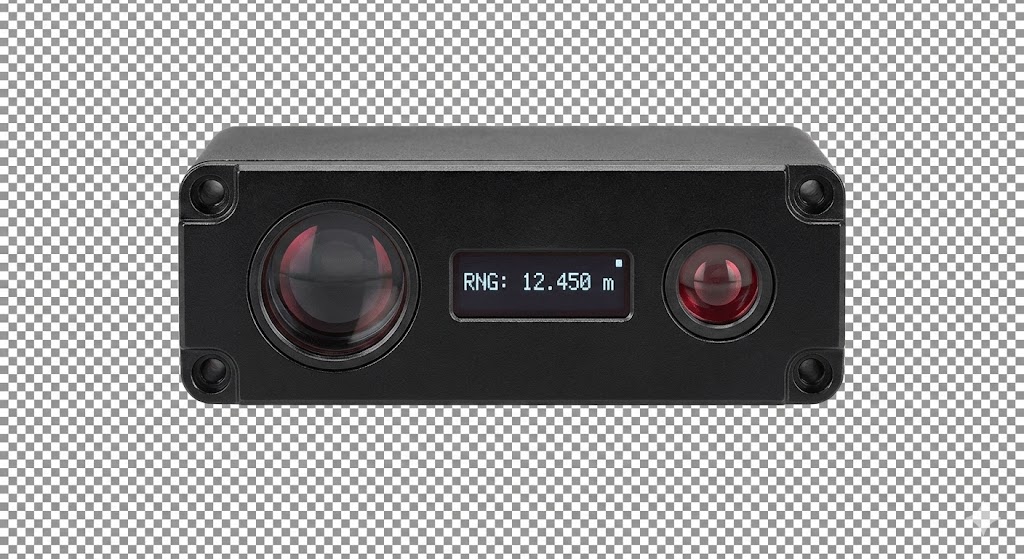
In conclusion, mining laser sensors are far more than mere measuring tools; they are vital components in the ecosystem of safe, efficient, and intelligent mining operations. By providing accurate, real-time environmental data, they empower decision-makers to enhance operational control, protect personnel, and optimize asset utilization, ultimately contributing to the profitability and sustainability of mining enterprises worldwide.