In the high-stakes world of industrial manufacturing, particularly within injection molding, stamping, and die-casting operations, the margin for error is infinitesimally small. The precise detection of mold position, component presence, and cycle verification is not merely a convenience but a fundamental requirement for efficiency, safety, and product quality. This is where proximity sensors, the silent sentinels of automation, play a transformative role. Engineered for non-contact detection, these devices have become indispensable in mold applications, offering solutions that mechanical limit switches simply cannot match.
Proximity sensors operate on the principle of generating an electromagnetic field or a beam of light. When a target object—typically the mold platen, an ejector pin, a core slide, or the workpiece itself—enters this field, it causes a change in the sensor's oscillation or light reception. This change is processed internally, resulting in a clean, solid-state output signal. The absence of physical contact is the key advantage. In the harsh environment of a molding machine, characterized by vibration, lubricants, plastic debris, and repetitive high-impact cycles, mechanical switches suffer from wear, fatigue, and eventual failure. Proximity sensors, with their sealed, robust housings (often in IP67 or higher ratings), are immune to these issues, ensuring long-term reliability and drastically reducing maintenance downtime.
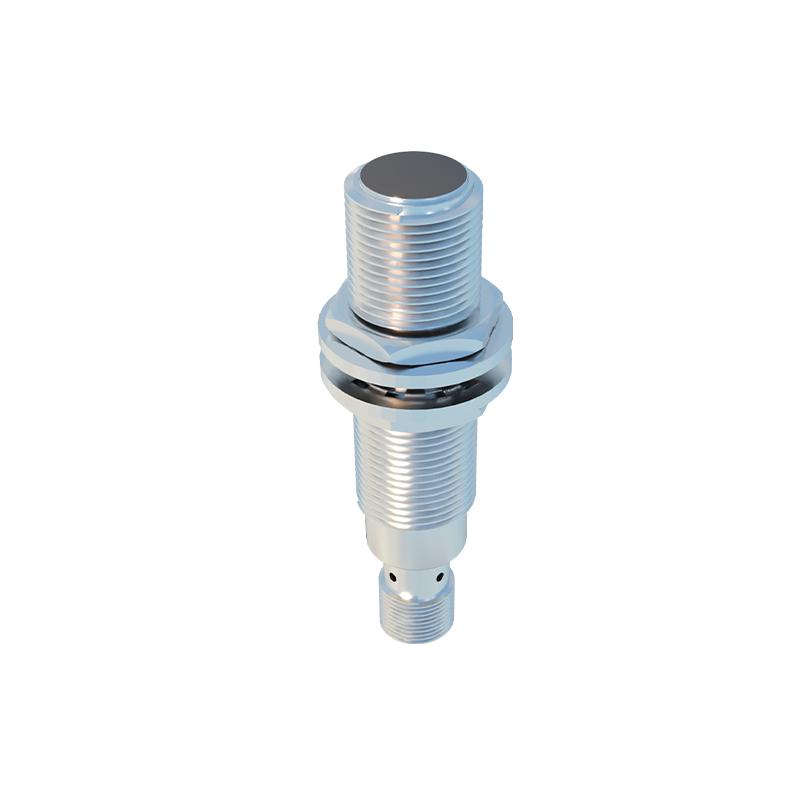
Several types of proximity sensors are strategically deployed in mold tooling. Inductive sensors are the workhorses for detecting metallic targets. They are perfect for confirming the closed position of mold halves, sensing the return of ejector plates, or detecting the presence of inserts. Their insensitivity to non-metallic contaminants like oil or dust makes them exceptionally reliable. For applications requiring detection of any material—plastic, glass, or liquid—capacitive sensors are employed. They can be used to verify the presence of a molded part on a robot gripper or to monitor material levels in hoppers feeding the mold. While less common in the core mold movement, photoelectric sensors are crucial in peripheral automation, such as confirming part ejection into a conveyor or ensuring a clear path for robotic arms.
The integration of these sensors directly into the mold itself, a practice known as "sensor-equipped" or "intelligent" tooling, represents a significant leap forward. Miniaturized sensors can be embedded in tight spaces to monitor core puller positions, lifter movements, or slide actions. This granular level of monitoring prevents catastrophic damage caused by incomplete mold closing or stuck components. A sensor detecting an out-of-sequence event can trigger an immediate machine stop, protecting tooling that can cost hundreds of thousands of dollars. Furthermore, the data from these sensors feeds into the machine's Programmable Logic Controller (PLC), enabling sophisticated process control and traceability for quality assurance.
Selecting the right sensor for a mold application requires careful consideration. Factors include the target material, the required sensing distance (switching distance), the physical size constraints of the mold cavity, temperature resistance (as molds operate at high temperatures), and the electrical output type (PNP/NPN, NO/NC) compatible with the machine control system. Engineers must also consider the sensor's housing material; stainless steel faces are often mandatory for the abrasive, high-pressure environment inside a mold.
In conclusion, the deployment of proximity sensors in mold applications is a cornerstone of modern, lean manufacturing. They are critical enablers of unmanned operation, lights-out production, and zero-defect strategies. By providing fast, wear-free, and precise detection, they enhance machine safety, protect capital-intensive tooling, optimize cycle times, and ensure consistent product output. For any engineer designing or maintaining automated molding systems, a deep understanding of proximity sensor technology is not just an asset—it is an essential component of ensuring operational excellence and competitive advantage in today's demanding industrial landscape.