In the rapidly evolving landscape of industrial automation, building management, and smart consumer devices, Bluetooth proximity sensors have emerged as a pivotal technology. These sensors combine the fundamental principle of proximity detection with the ubiquitous wireless communication standard of Bluetooth, creating versatile and efficient solutions for a multitude of applications. Unlike traditional wired sensors, Bluetooth-enabled variants offer unparalleled flexibility in installation, data transmission, and system integration. This article delves into the various types of Bluetooth proximity sensors, their operational principles, key applications, and critical factors for selection.
Fundamentally, a proximity sensor is a device that detects the presence or absence of an object within a specific range without physical contact. When integrated with Bluetooth technology—typically Bluetooth Low Energy (BLE)—the sensor can wirelessly transmit its detection state, identification data, and sometimes additional telemetry to a central gateway, smartphone, or cloud platform. The core types of proximity sensors adapted with Bluetooth connectivity include:
1. Inductive Proximity Sensors: These sensors generate an electromagnetic field and detect changes caused by metallic objects entering this field. Bluetooth inductive sensors are predominantly used in industrial settings for tasks like metal part detection on conveyor belts, position sensing in machinery, and robotic arm end-effector positioning. Their key advantage is high reliability and resilience in harsh, dirty environments. The Bluetooth module transmits a simple "object present/absent" signal or more complex data like sensor health status.
2. Capacitive Proximity Sensors: Capable of detecting both metallic and non-metallic objects (e.g., liquids, plastics, wood), capacitive sensors work by measuring changes in capacitance. Bluetooth capacitive sensors find applications in level detection in tanks (for liquids or granular materials), material handling, and touchless interfaces. In smart buildings, they can be used for occupancy detection for lighting control, where the BLE signal can communicate room occupancy to a building management system.
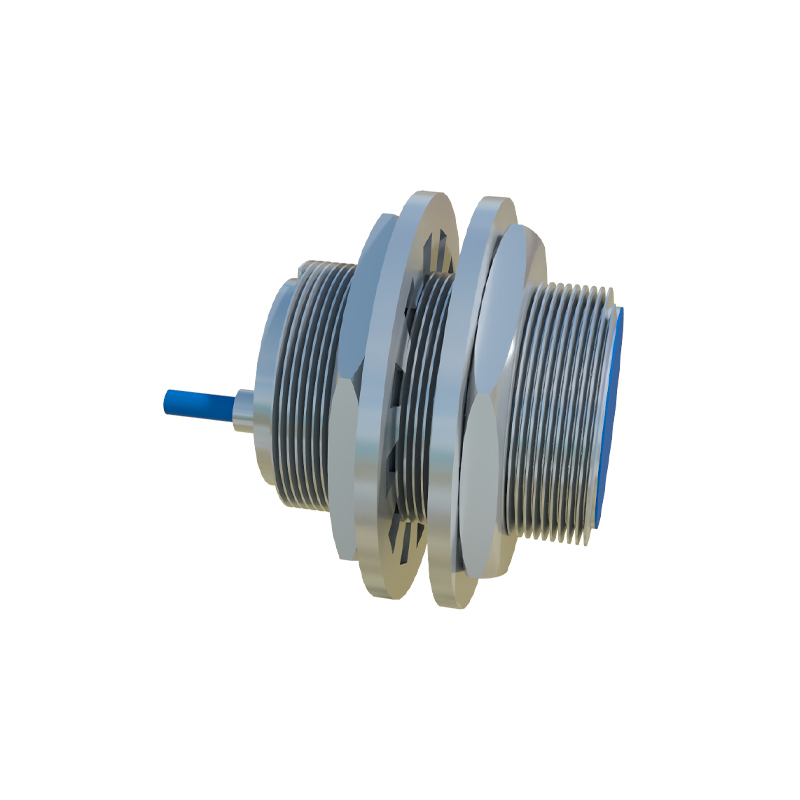
3. Ultrasonic Proximity Sensors: These sensors calculate distance by emitting ultrasonic sound waves and measuring the time taken for the echo to return. Bluetooth ultrasonic sensors are ideal for applications requiring precise distance measurement or detection of objects with complex surfaces. Common uses include parking assistance systems, blind-spot detection in material handling equipment, and inventory monitoring in warehouses where they can measure bin levels and transmit data wirelessly.
4. Photoelectric (Optical) Proximity Sensors: Utilizing a light emitter (usually LED or laser) and a receiver, these sensors detect objects based on the interruption or reflection of a light beam. Bluetooth photoelectric sensors are highly versatile. They are deployed in packaging lines, automatic doors, and safety curtains. In retail, BLE-enabled optical sensors can track product movement on shelves. Their long sensing range and ability to detect small objects make them popular.
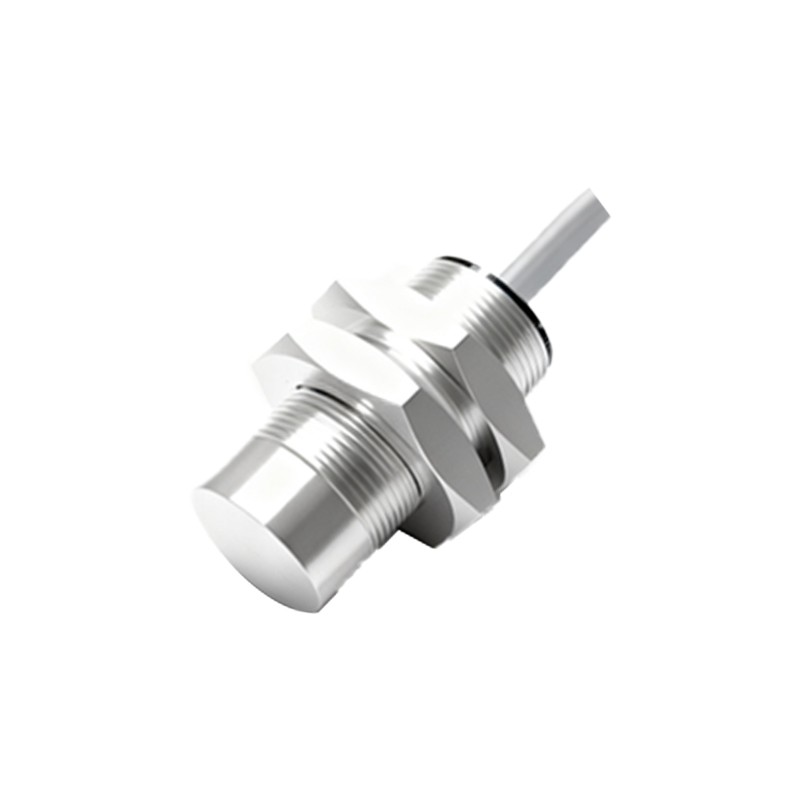
5. Magnetic Proximity Sensors (Reed Switches/Hall Effect): These sensors detect the presence of a magnetic field, typically from a permanent magnet. Bluetooth magnetic sensors are extremely low-power and are extensively used for door/window status monitoring in security systems and smart homes. The sensor sends an instant BLE notification when a door is opened or closed, enabling real-time security alerts.
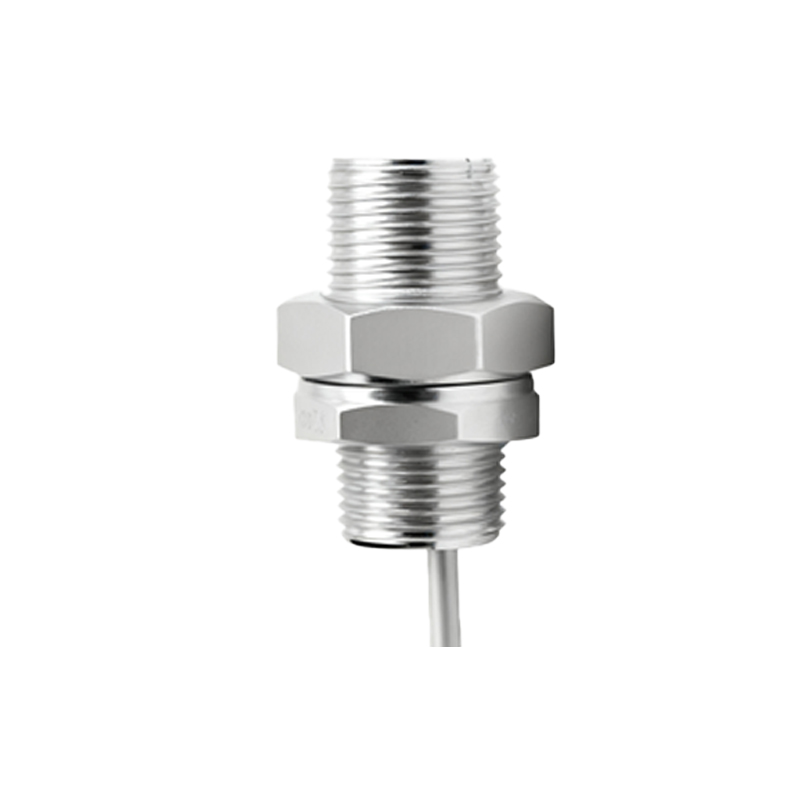
6. LiDAR-based Proximity Sensors: An advanced option, LiDAR uses laser pulses to create precise 3D maps of the surroundings. While more costly, Bluetooth-enabled LiDAR sensors are used in robotics for navigation, in logistics for volume measurement of packages, and in augmented reality applications.
The integration of Bluetooth, specifically BLE, provides significant benefits. It enables easy deployment in retrofit scenarios without the need for costly wiring. It facilitates the creation of large, mesh-networked sensor systems for comprehensive area monitoring. Furthermore, it allows for direct interaction with mobile devices, enabling configuration, diagnostics, and data visualization via custom apps.
When selecting a Bluetooth proximity sensor for a project, engineers must consider several parameters:
Sensing Range and Technology: Choose the technology (inductive, capacitive, etc.) based on the target object's material and the required detection distance.
Bluetooth Standard and Range: Ensure the sensor uses an appropriate BLE version (e.g., 4.2, 5.0, 5.2) for power consumption and data rate needs. The wireless operational range must suit the environment.
Power Supply and Battery Life: For battery-operated sensors, evaluate the current draw in active and sleep modes. Energy harvesting options are emerging for maintenance-free operation.
Output Data and Protocol: Determine if simple state change or complex data (e.g., exact distance, signal strength/RSSI for location tracking) is needed. Check the data format (e.g., standard GATT profiles, manufacturer-specific).
Environmental Ratings: The sensor's IP (Ingress Protection) and IK (Impact Protection) ratings are critical for