In the realm of industrial automation, servo modules are pivotal for achieving precise motion control in applications ranging from robotics to CNC machinery. However, their performance can be significantly enhanced by integrating proximity sensors, which provide critical feedback for positioning, safety, and efficiency. This article delves into the technical synergy between servo modules and proximity sensors, exploring best practices for implementation and the resultant benefits in modern electrical engineering systems.
Servo modules operate by converting electrical signals into controlled mechanical movement, relying on feedback mechanisms to maintain accuracy. Traditional encoders are commonly used for this purpose, but proximity sensors offer a complementary layer of intelligence. These sensors detect the presence or absence of objects without physical contact, using technologies such as inductive, capacitive, or magnetic principles. When paired with servo modules, they enable real-time monitoring of end positions, limit switches, or object alignment, reducing mechanical wear and preventing collisions. For instance, in automated assembly lines, a proximity sensor can signal a servo-driven actuator to halt or adjust its trajectory upon detecting an obstacle, thereby minimizing downtime and enhancing operational safety.
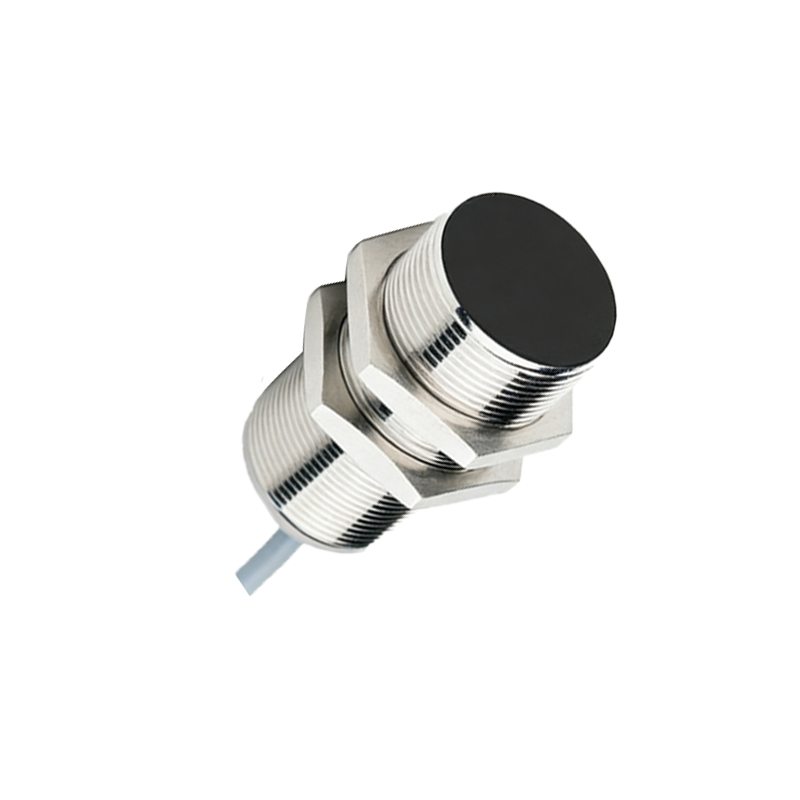
The integration process requires careful consideration of sensor selection and placement. Inductive proximity sensors are ideal for metallic environments, while capacitive variants suit non-metallic materials. Engineers must align the sensor's sensing range and output type (e.g., PNP or NPN) with the servo module's input specifications. Wiring should adhere to EMI shielding standards to avoid interference with sensitive servo signals. Additionally, programming the servo controller to interpret sensor inputs is crucial; this often involves configuring I/O points and implementing logic in PLCs or dedicated motion controllers. For example, a common setup involves using a sensor to trigger a homing sequence, ensuring the servo module returns to a reference point consistently after each cycle.
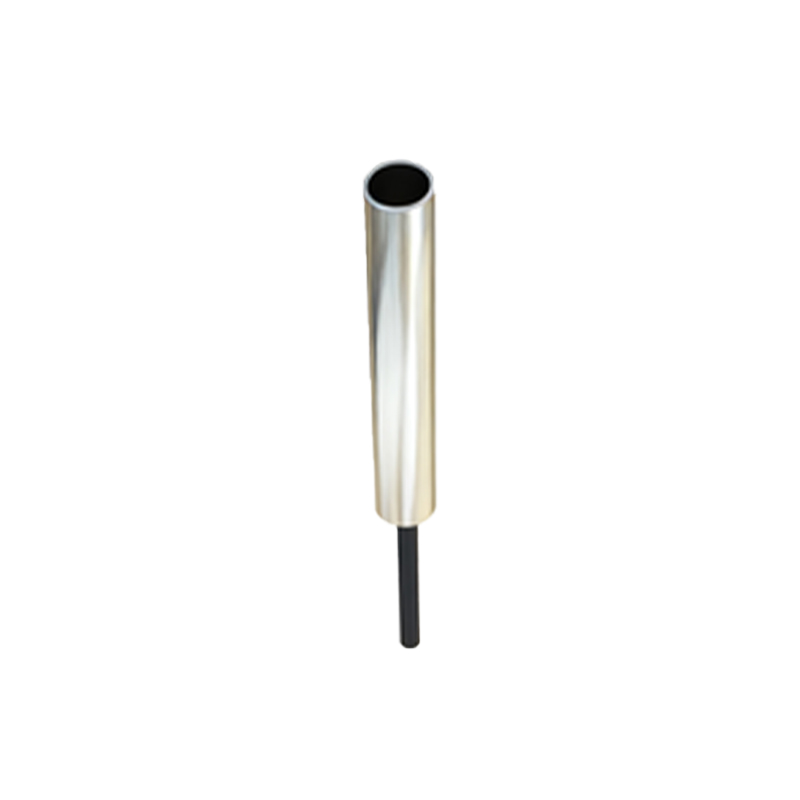
Beyond basic functionality, the combination fosters advanced features like predictive maintenance. Proximity sensors can monitor vibration or misalignment in servo-driven components, alerting operators to potential failures before they cause system breakdowns. Data from sensors can be fed into IoT platforms for analytics, optimizing cycle times and energy consumption. In high-speed packaging machinery, this integration allows servo modules to adjust gripping force based on sensor-detected object sizes, improving throughput and reducing material waste.
Challenges may arise, such as sensor drift in harsh environments or calibration issues. Regular maintenance, including cleaning and testing, is essential to sustain accuracy. Moreover, engineers should prioritize sensors with high IP ratings for dust and moisture resistance in industrial settings. By addressing these factors, the servo-proximity duo becomes a robust solution for demanding applications.
In conclusion, the marriage of servo modules and proximity sensors represents a forward leap in automation technology. It not only boosts precision and reliability but also paves the way for smarter, adaptive systems. As industries embrace Industry 4.0, this integration will continue to evolve, driven by innovations in sensor miniaturization and wireless connectivity. For electrical professionals, mastering this synergy is key to designing next-generation automated solutions that are both efficient and resilient.