Laser sensors have become indispensable tools across a wide spectrum of industries, from advanced manufacturing and robotics to autonomous vehicles and precision metrology. Their ability to provide high-accuracy, non-contact measurements for distance, position, and displacement is unparalleled. However, the reliable performance of these sophisticated systems can be significantly compromised by various sources of interference. Understanding these interference sources is not merely an academic exercise; it is a critical engineering requirement for ensuring system integrity, measurement accuracy, and operational safety. This article delves into the primary categories of interference affecting laser sensors and outlines practical mitigation strategies.
The most fundamental and pervasive source of interference is ambient light. Laser sensors, particularly those using triangulation or time-of-flight principles, are designed to detect specific wavelengths of light emitted by their internal laser diode. Intense ambient light from sources such as sunlight, high-intensity discharge (HID) lamps, or even other lasers operating at similar wavelengths can flood the sensor's photodetector. This optical noise can saturate the receiver, effectively blinding the sensor, or create erroneous signals that the sensor's electronics misinterpret as the true return signal. For instance, direct sunlight can completely overwhelm a low-power laser line sensor on a factory floor near a window. Mitigation strategies include using optical bandpass filters that are precisely matched to the laser's wavelength, effectively blocking out-of-band light. Additionally, employing modulated laser signals with synchronous detection allows the sensor to distinguish its own pulsed or frequency-modulated light from steady-state ambient background. Physical shielding, such as mounting the sensor in a housing or using shrouds around the measurement point, provides a straightforward mechanical defense.
Electromagnetic interference (EMI) represents another critical challenge, especially in industrial environments dense with electrical machinery. EMI can be radiated through the air or conducted through power and signal cables. Common sources include variable frequency drives (VFDs) controlling motors, welding equipment, radio transmitters, and switching power supplies. This interference can couple into the sensor's sensitive analog circuitry or digital signal processing units, causing signal corruption, erratic readings, or complete communication failure. For example, a laser distance sensor on a robotic arm may produce noisy data when a nearby arc welder is active. To combat EMI, robust electrical design is paramount. This includes the use of shielded and twisted-pair cables for all signal lines, with the shield properly grounded at a single point to avoid ground loops. Ferrite cores (chokes) installed on cables near the sensor and controller connections can suppress high-frequency noise. Ensuring proper separation between sensor cables and high-power AC lines is a basic but essential practice. Furthermore, selecting sensors with robust EMI immunity ratings, compliant with standards like IEC 61000-6-2, is crucial for harsh environments.
Interference can also originate from the target surface itself or the surrounding medium. The performance of a laser sensor is highly dependent on the optical properties of the target. Specular (shiny, mirror-like) surfaces can reflect the laser beam away from the receiver, causing a loss of signal. Transparent or translucent materials, like glass or clear plastic, may allow the beam to pass through or generate multiple internal reflections, leading to measurement errors. Irregular surfaces, deep textures, or steep angles can scatter the laser light, reducing signal strength. Environmental factors such as dust, smoke, steam, or oil mist in the air can attenuate or scatter the laser beam before it reaches the target or the reflected light on its return path. For challenging surfaces, solutions include using sensors with specialized algorithms (e.g., peak detection modes for transparent materials), adjusting the sensor's angle of incidence, or applying a temporary matte coating to the target. For airborne particulates, purging the optical window with clean, dry air can maintain a clear line of sight. In extreme cases, selecting a laser wavelength less susceptible to scattering (e.g., longer wavelengths for smoke) might be necessary.
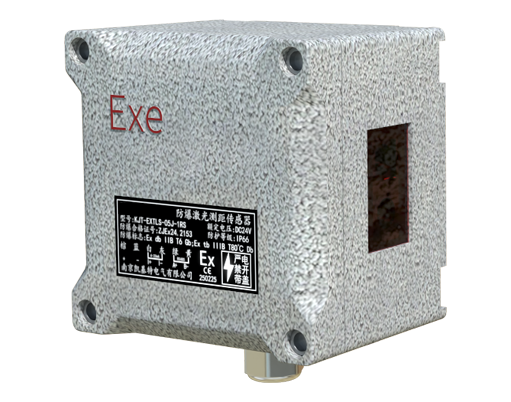
Finally, multi-sensor interference, or "crosstalk," occurs when the laser beam from one sensor is detected by the receiver of another nearby sensor. This is a common issue in applications where multiple laser sensors are deployed in close proximity, such as in multi-axis coordinate measurement machines or dense array inspection systems. The foreign laser signal can be misinterpreted, causing gross measurement errors. Modern laser sensors address this through several techniques. One common method is temporal synchronization, where a master sensor controls the firing sequence of all sensors in a network, ensuring only one laser is active at any time. Alternatively, sensors can use unique modulation frequencies or digital codes for their laser output. The receiver is then tuned to recognize only its specific coded signal, rejecting all others, much like a radio tuned to a specific station. When designing a multi-sensor layout, careful consideration of sensor placement, beam angles, and the use of physical barriers can also prevent optical crosstalk.
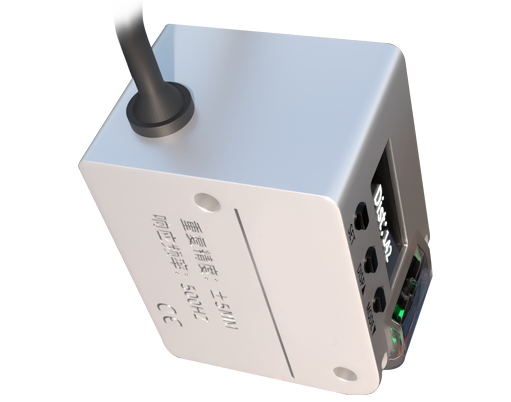
In conclusion, laser sensor interference is a multi-faceted problem with optical, electromagnetic, and environmental dimensions. There is no universal solution. Successful implementation requires a systematic approach: first, conducting a thorough assessment of the operational environment to identify potential interference sources; second, selecting sensor models with features designed to counteract those specific challenges; and third, adhering to best practices in installation, cabling, and shielding. By proactively addressing these interference sources, engineers can unlock the full potential of laser sensing technology, achieving the high levels of reliability and precision that modern automated systems demand.