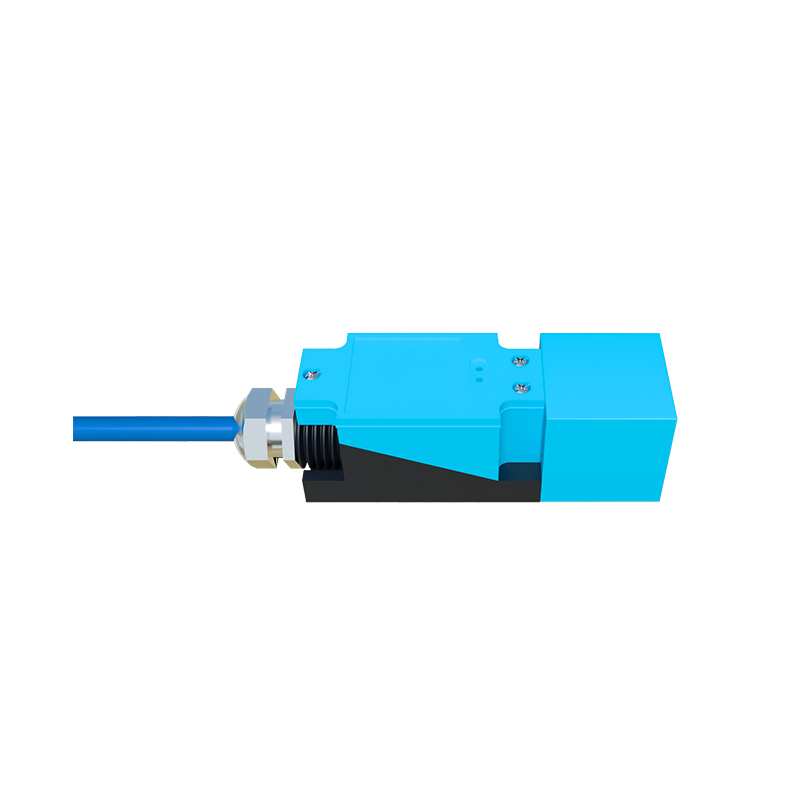
In the vast landscape of industrial automation and machine safety, proximity sensors stand as fundamental components. Among the diverse form factors available, the long or rectangular proximity sensor offers unique advantages for specific applications. This article delves into the operational principles, key application areas, and critical selection criteria for these elongated sensing devices.
At its core, a long proximity sensor operates on the same fundamental principles as its standard counterparts, primarily inductive, capacitive, or photoelectric sensing. Inductive sensors, the most common for metal detection, generate an electromagnetic field. When a metallic target enters this field, eddy currents are induced, causing a change in the field's oscillation amplitude. The sensor's internal circuitry detects this change and triggers a switching output. The "long" or rectangular form factor essentially extends the sensing face along one axis. This design does not typically increase the nominal sensing distance dramatically but significantly widens the detection area or "sensing window." This extended active surface is the primary differentiator, enabling the detection of objects over a broader lateral area without the need for sensor arrays or complex mounting arrangements.
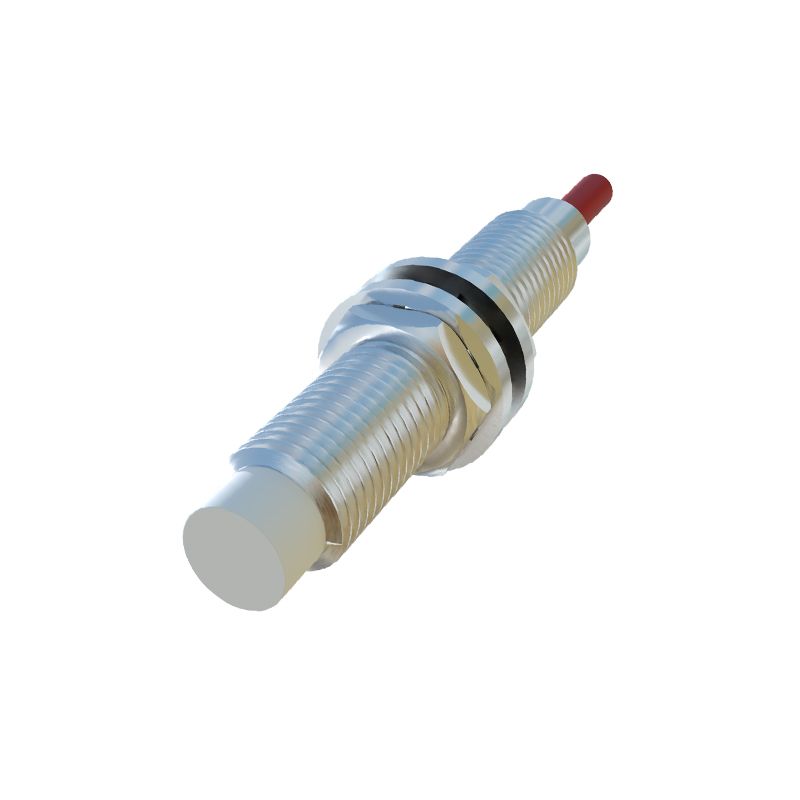
The applications for long proximity sensors are numerous and span various industries. A quintessential use is in conveyor line monitoring. They are perfectly suited for detecting the presence or absence of products on a conveyor belt, especially when the exact position of the item may vary across the belt's width. A single long sensor can provide coverage that might otherwise require two or three standard round sensors. In material handling and packaging, they are used for edge guiding of webs, films, or sheets, ensuring the material stays aligned within processing machinery. In the automotive sector, they facilitate the detection of vehicle presence in assembly jigs or verify the correct positioning of long components like side rails or bumpers. Machine safety is another critical domain. Long sensors can be employed as part of a safety curtain or area guard to detect intrusion into a hazardous zone along a wide access point, providing a cost-effective alternative to light curtains in some non-personnel guarding applications.
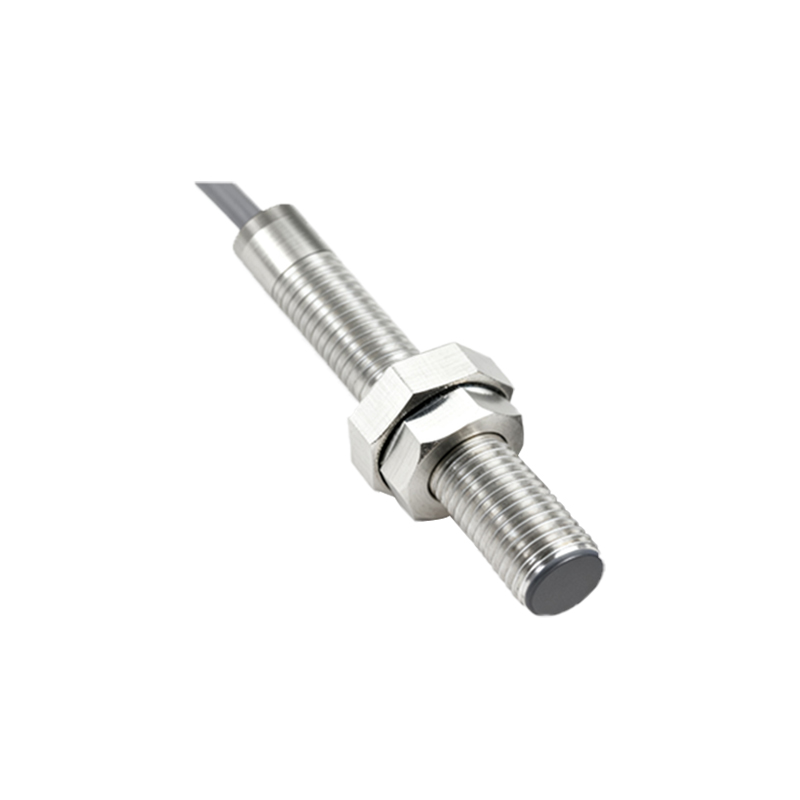
Selecting the appropriate long proximity sensor requires careful consideration of several parameters beyond just the physical dimensions. First, the sensing technology must match the target material. Inductive sensors are for metals, capacitive for non-metals (wood, plastic, liquids), and photoelectric for general presence detection. The housing material is crucial, typically constructed from rugged plastics like PBT or metals like stainless steel for harsh environments. The protection rating, denoted by IP (Ingress Protection) codes such as IP67 or IP69K, indicates resistance to dust and water, essential for washdown areas in food and beverage or pharmaceutical plants. Electrical characteristics are equally important: the operating voltage (e.g., 10-30V DC), output type (PNP/NPN, NO/NC), and current rating must be compatible with the control system. The switching frequency defines how quickly the sensor can respond to passing objects, a vital factor in high-speed lines. Finally, the mounting style—flush, non-flush, or with side sensing capabilities—affects the effective sensing range and installation flexibility.
Installation and environmental factors play a significant role in reliable operation. For inductive sensors, it is essential to maintain the recommended clearance from surrounding metals to prevent false triggering. The sensor should be mounted securely to minimize vibration effects. Temperature extremes, exposure to chemicals, or strong electromagnetic interference can impact performance, necessitating sensors with appropriate specifications. Regular maintenance, though minimal, involves keeping the sensing face clean from debris, dust, or buildup that could attenuate the sensing field.
In conclusion, the long proximity sensor is a specialized tool that solves specific spatial detection challenges in automation. Its elongated form factor provides a wide detection window, simplifying system design, reducing component count, and enhancing reliability. By understanding their operating principles, aligning their capabilities with the application's needs—be it conveyor monitoring, edge detection, or safety guarding—and adhering to proper selection and installation practices, engineers can effectively leverage these sensors to build more efficient, compact, and intelligent automated systems. As machinery continues to evolve towards greater precision and flexibility, the role of such purpose-built sensors will only become more prominent.