In the intricate world of industrial automation, the reliability and precision of sensing components are non-negotiable. Among these, proximity switch sensors stand as fundamental pillars, enabling non-contact detection of metallic and, in some advanced models, non-metallic objects. Leading global brands have consistently pushed the boundaries of this technology, delivering solutions that define efficiency, durability, and intelligence in modern manufacturing and process control environments.
The core principle of an inductive proximity sensor, the most common type, involves an oscillator circuit generating a high-frequency electromagnetic field from its sensing face. When a metallic target enters this field, eddy currents are induced within the target, causing a change in the oscillation amplitude. This change is detected by the sensor's circuitry, which subsequently triggers a solid-state output switch. Capacitive variants operate on a similar principle but detect changes in capacitance, allowing them to sense materials like plastics, liquids, and wood. The hallmark of top-tier brands lies in their mastery of these principles, translating them into products with exceptional repeat accuracy, minimal hysteresis, and immunity to environmental interference such as dust, oil, and coolant.
Superior engineering from industry leaders manifests in several critical areas. First is housing and build quality. Premium proximity sensors feature robust, often stainless-steel or nickel-plated brass housings, with high-grade PBT or PTFE sensing faces. They boast exceptional ingress protection ratings, typically IP67 and IP69K, ensuring flawless operation in washdown environments, under high-pressure jets, and in the presence of conductive contaminants. Second is performance specification. Leading models offer extended sensing ranges beyond standard offerings, faster switching frequencies exceeding 5 kHz for high-speed applications, and remarkably stable temperature operating windows from -25°C to +70°C or wider. Embedded diagnostics, like IO-Link communication, are becoming a standard offering from these brands, providing real-time data on sensor health, temperature, and switch cycle counts for predictive maintenance.
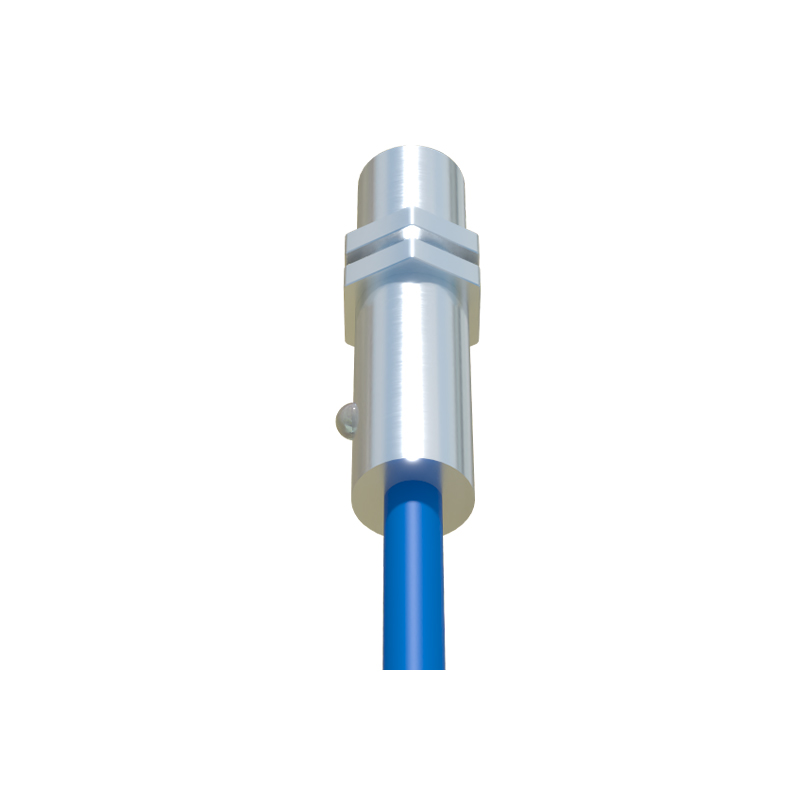
Application versatility is another defining trait. From the precise positioning of robotic arms and tool changers in automotive assembly lines to the detection of tiny components in electronics manufacturing, these sensors perform flawlessly. In food and beverage processing, hygienic designs with smooth surfaces and certified materials prevent bacterial growth. In heavy machinery, they serve as critical safety interlocks and position feedback devices. The engineering teams at leading manufacturers work closely with end-users to develop specialized variants: factor-1 cylindrical sensors for tight spaces, weld-field immune models for robotic welding cells, and analog output sensors for distance-proportional measurement.
Choosing a proximity sensor from a renowned brand is an investment in system uptime and total cost of ownership. While the initial unit cost may be higher than generic alternatives, the long-term benefits are substantial. Enhanced durability reduces replacement frequency and downtime. Consistent accuracy minimizes production errors and waste. Advanced diagnostic capabilities prevent unplanned stoppages. Furthermore, global support networks, comprehensive technical documentation, and readily available configuration software streamline integration and troubleshooting.
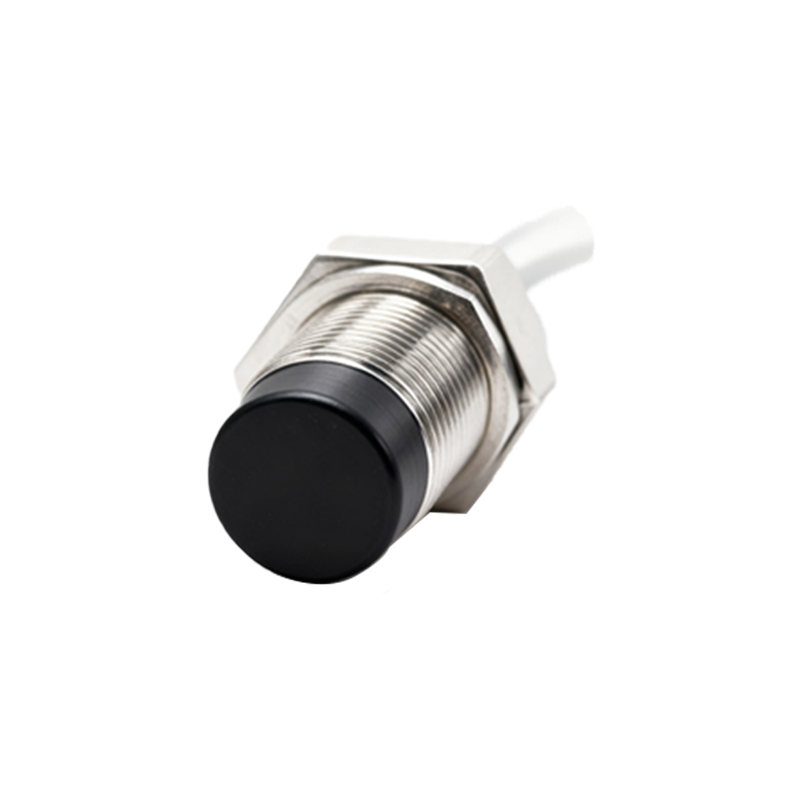
In conclusion, proximity switch sensors from established industry leaders are not merely components; they are engineered solutions integral to the smart factory and Industry 4.0 paradigms. Their evolution continues, with trends pointing toward miniaturization, increased intelligence through embedded processors, and seamless integration into industrial IoT ecosystems. For engineers and system integrators demanding uncompromising performance, specifying sensors from these top-tier brands remains the definitive strategy for building resilient, efficient, and future-proof automated systems.