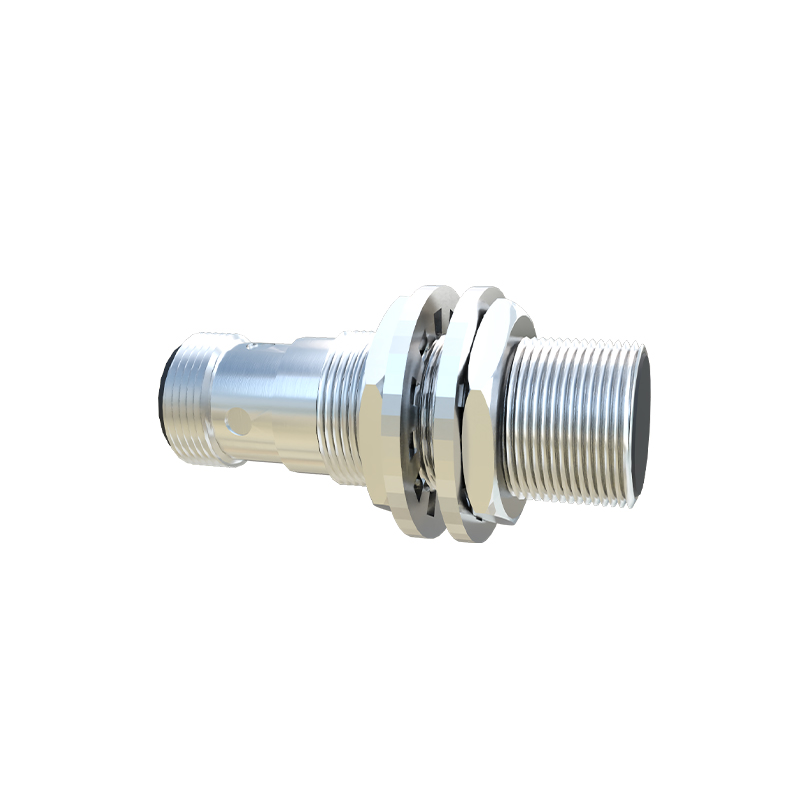
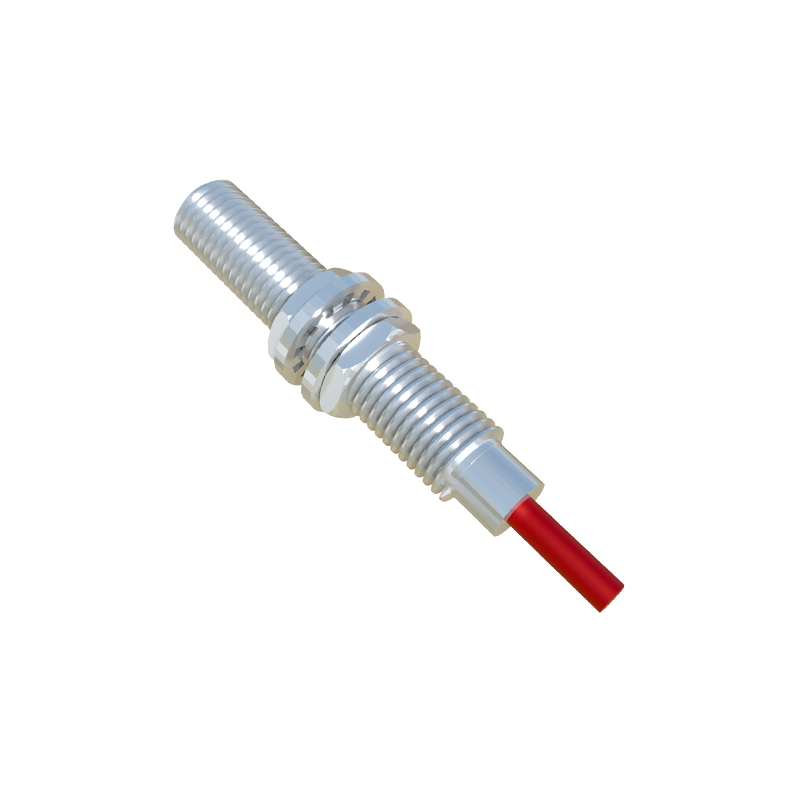
The demand for skilled professionals in proximity sensor technology is surging across multiple industries. From automotive manufacturing to consumer electronics and industrial automation, proximity sensors have become integral components in modern systems. These devices, which detect the presence or absence of objects without physical contact, rely on various technologies like inductive, capacitive, ultrasonic, and optical sensing. The expanding application of these sensors in robotics, smart infrastructure, and IoT devices is driving a significant need for a specialized workforce.
For job seekers, the proximity sensor field offers diverse roles. Electrical engineers are needed for circuit design and sensor integration. Mechanical engineers focus on housing design and environmental durability. Software developers write firmware and algorithms for signal processing and calibration. Quality assurance technicians perform rigorous testing under different conditions, while field service engineers provide installation support and troubleshooting. Application engineers bridge the gap between technical specifications and client needs, often requiring strong communication skills alongside technical knowledge.
The hiring process for these positions typically emphasizes both theoretical understanding and practical experience. Employers look for candidates with a solid grasp of physics principles underlying sensing technologies, such as electromagnetic fields for inductive sensors or dielectric constants for capacitive types. Proficiency with diagnostic tools like oscilloscopes and spectrum analyzers is highly valued. Experience with industry-standard communication protocols—IO-Link, CAN bus, or Ethernet/IP—is a major advantage. Many roles also require familiarity with CAD software for sensor integration or data analysis programs for interpreting sensor outputs.
Current market trends show particular growth in sectors implementing Industry 4.0 and smart factory initiatives. Here, proximity sensors provide critical data for predictive maintenance, asset tracking, and automated guided vehicles (AGVs). This shift is creating jobs not only in sensor manufacturing but also in system integration, data analytics, and cybersecurity for connected sensor networks. The automotive industry's push towards electric and autonomous vehicles is another major driver, with sensors playing key roles in battery management, safety systems, and object detection.
For those entering the field, a combination of education and hands-on projects is key. Relevant degree programs include electrical engineering, mechatronics, robotics, or physics. However, vocational training and certification programs focused on industrial automation (e.g., from organizations like ISA or PMMI) are also effective pathways. Building a portfolio with personal or academic projects—such as designing a simple object detection system or calibrating a sensor for a specific material—can significantly strengthen a resume.
Job seekers should tailor their applications to highlight relevant keywords and accomplishments. Instead of simply listing "experience with sensors," describe specific projects: "Designed an inductive proximity sensor array for a conveyor system, improving detection reliability by 30%." Networking through professional associations like the IEEE Sensors Council or attending trade shows like SENSOR+TEST or the International Manufacturing Technology Show (IMTS) can provide valuable connections and insights into employer needs.
On the employer side, companies are adapting their recruitment strategies to attract talent in a competitive market. This includes offering upskilling programs for existing employees, creating clear career progression paths, and highlighting work on innovative projects. Some firms partner with technical colleges and universities to develop tailored curricula and internship programs, ensuring a pipeline of job-ready graduates. Remote work options for roles like simulation and design are also becoming more common, expanding the potential talent pool geographically.
The future of work in this sector looks closely tied to advancements in AI and machine learning. Professionals who can develop algorithms to filter sensor noise, compensate for environmental drift, or enable sensor fusion (combining data from multiple sensor types) will be in high demand. Similarly, expertise in miniaturization and low-power design for battery-operated IoT sensors is a growing niche. As regulations around safety and emissions tighten globally, roles focused on sensor compliance and certification are also expected to increase.
In summary, the job market for proximity sensor expertise is robust and evolving. Success for candidates lies in demonstrating a blend of core engineering skills, practical application knowledge, and an awareness of industry trends. For employers, attracting and retaining talent requires clear communication of technological challenges and opportunities, investment in continuous learning, and competitive compensation aligned with the specialized nature of the work. The ongoing digital transformation of industry ensures that proficiency with these fundamental components will remain a valuable and sought-after skill set for the foreseeable future.