Laser blockage trigger sensors are pivotal components in modern industrial automation, offering unparalleled precision and reliability in object detection and process control. These sensors operate on the principle of laser beam interruption, where a focused laser emitter projects a beam to a receiver. When an object passes between them, it blocks the beam, triggering a signal that can be used to count items, monitor production lines, or initiate safety protocols. The core advantage lies in their high accuracy and fast response times, often in microseconds, making them ideal for high-speed applications like packaging, assembly, and material handling.
In terms of design, laser blockage sensors typically consist of three main parts: the laser emitter, the receiver, and the control unit. The emitter generates a coherent, narrow-wavelength light beam—commonly in the visible red or infrared spectrum—which travels to the receiver. The receiver detects the beam's intensity; any reduction due to blockage is interpreted as a trigger event. Advanced models incorporate features like background suppression, which filters out ambient light interference, and adjustable sensitivity to handle varying object sizes or environmental conditions. For instance, in dusty or humid settings, sensors with robust housings (IP67-rated or higher) ensure consistent performance by preventing contamination.
Applications span diverse industries, from automotive manufacturing to pharmaceuticals. In automotive plants, these sensors are used for part verification on conveyor belts, ensuring each component is present before assembly. In pharmaceutical packaging, they detect missing pills in blister packs, maintaining quality control. Additionally, safety systems employ laser blockage sensors as light curtains to protect workers from machinery by halting operations when a beam is interrupted. The integration with PLCs (Programmable Logic Controllers) and IoT networks allows for real-time data monitoring, enabling predictive maintenance and reducing downtime.
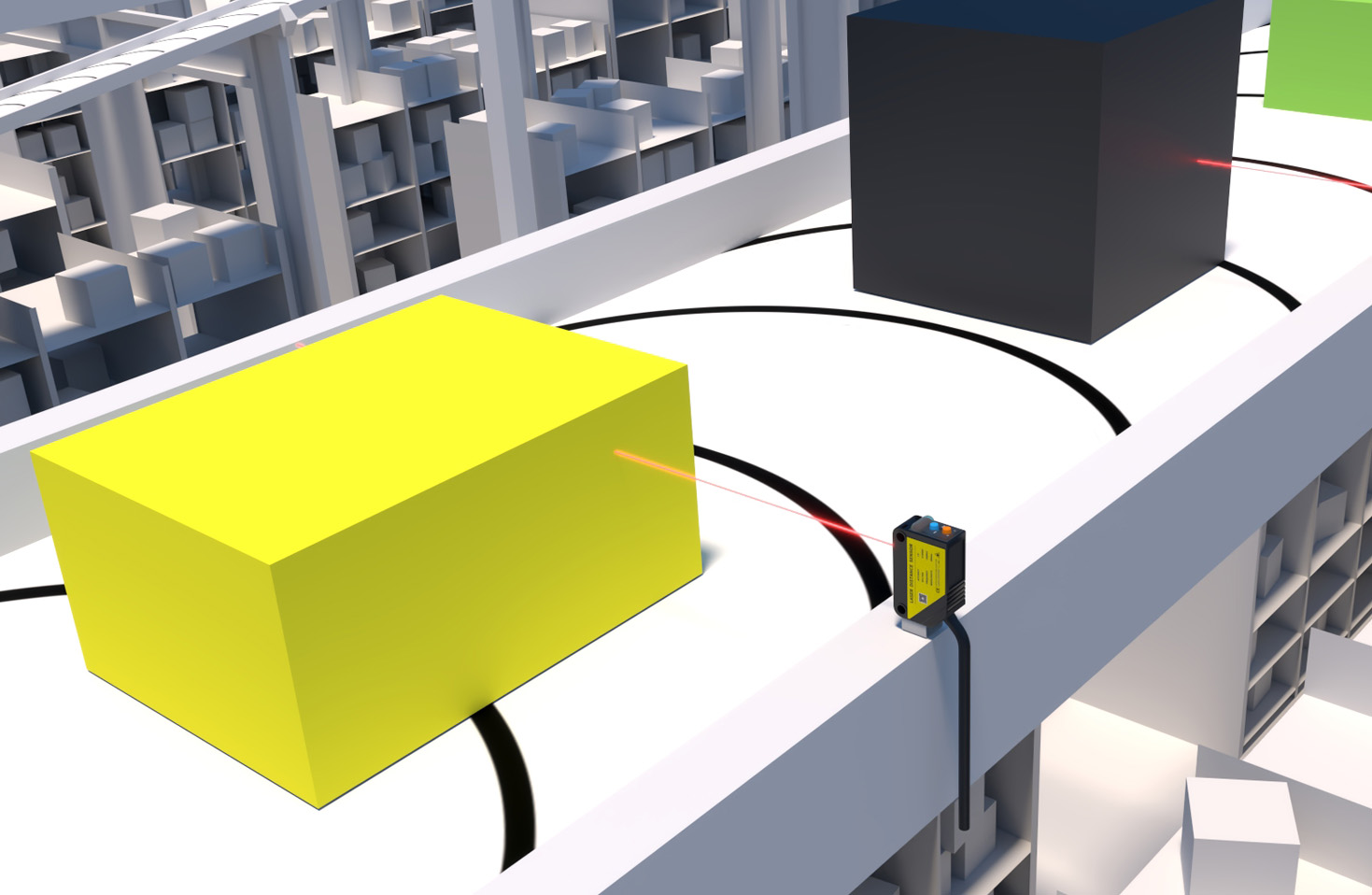
When selecting a laser blockage trigger sensor, engineers must consider factors such as sensing range, beam diameter, and environmental resilience. For long-range detection (up to several meters), sensors with collimated laser beams are preferred, while short-range applications might use diffuse reflection types. The beam diameter affects resolution; thinner beams can detect smaller objects, enhancing precision in micro-manufacturing. Power supply requirements (e.g., 12-24V DC) and output signals (digital or analog) should align with existing control systems. Regular calibration is essential to maintain accuracy, as misalignment from vibration or thermal expansion can cause false triggers.

Innovations in this field are driving efficiency gains. Recent developments include smart sensors with embedded diagnostics that alert users to potential failures, and multi-beam arrays for 3D object profiling. As Industry 4.0 evolves, laser blockage sensors are becoming more interconnected, supporting data-driven automation. However, challenges persist, such as high initial costs and sensitivity to extreme conditions like direct sunlight or heavy particulates. Mitigation strategies involve using protective enclosures or selecting sensors with specific wavelength filters.
In conclusion, laser blockage trigger sensors are indispensable tools in industrial automation, combining speed, accuracy, and versatility. Their ability to enhance productivity and safety makes them a cornerstone of modern manufacturing. By understanding their operation and selection criteria, engineers can optimize systems for reliable, long-term performance, paving the way for smarter, more responsive industrial environments.