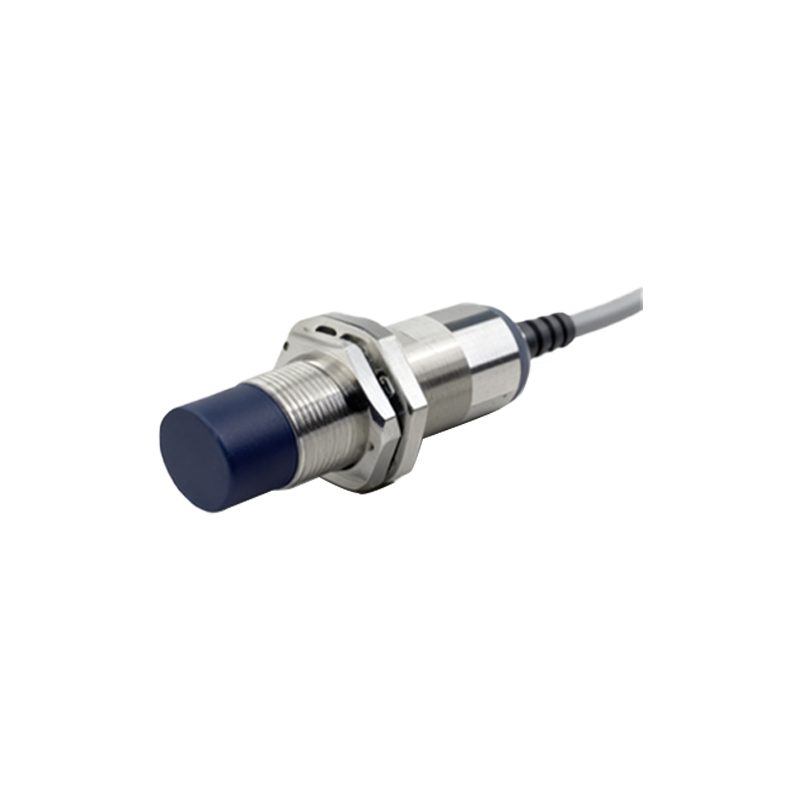
Proximity sensors have become indispensable components in modern industrial automation, offering non-contact detection of objects within a defined range. These sensors operate on various principles, including inductive, capacitive, ultrasonic, and optical technologies, each suited to specific applications. In manufacturing, inductive proximity sensors are widely used for metal detection in machinery, ensuring precise positioning of parts on assembly lines. For instance, in automotive production, they monitor the presence of engine components, triggering robotic arms for seamless operations. Capacitive sensors, capable of detecting non-metallic materials like plastics or liquids, find use in packaging industries to verify fill levels in containers, reducing waste and improving efficiency.
In safety systems, proximity sensors play a critical role by preventing accidents in hazardous environments. They are integrated into machinery guards to halt equipment when a human or object enters a danger zone, adhering to strict occupational safety standards. For example, in robotic cells, ultrasonic sensors create invisible barriers that stop movements upon intrusion, protecting workers from potential injuries. Additionally, these sensors are employed in elevator doors to detect obstructions, ensuring smooth and secure closures without physical contact.
The logistics and warehousing sector benefits significantly from proximity sensor applications. Optical sensors, utilizing infrared or laser beams, enable accurate inventory tracking by identifying items on conveyor belts. They facilitate automated sorting systems, where objects are directed to appropriate bins based on size or type, enhancing throughput in distribution centers. In automated guided vehicles (AGVs), proximity sensors assist in navigation and collision avoidance, allowing for efficient material handling in large facilities.
Energy efficiency is another area where proximity sensors contribute. In smart lighting systems, they detect human presence to adjust illumination, reducing power consumption in offices or public spaces. Similarly, in HVAC systems, sensors optimize climate control by monitoring occupancy, leading to cost savings and environmental benefits. The integration of IoT with proximity sensors enables real-time data collection, supporting predictive maintenance and minimizing downtime in industrial setups.
Despite their advantages, challenges such as environmental interference or calibration requirements exist. However, advancements in sensor technology, including miniaturization and enhanced sensitivity, continue to expand their applications. From precision agriculture, where sensors monitor crop growth, to healthcare devices that detect patient movements, proximity sensors are driving innovation across diverse fields. As industries embrace automation and smart solutions, the demand for reliable proximity sensing will only grow, solidifying their role in the future of technology.