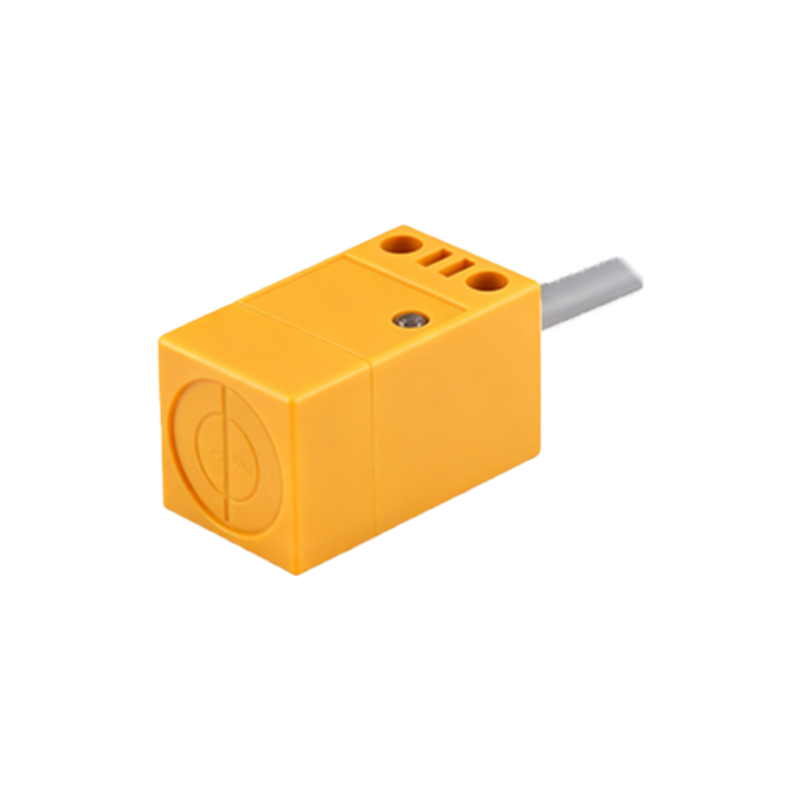
Pneumatic proximity sensors, often overlooked in the era of digital electronics, remain a cornerstone technology in countless industrial applications. Their principle of operation is elegantly simple, relying on the fundamental properties of air flow and pressure. At their core, these devices detect the presence or absence of an object without any physical contact, using a stream of compressed air as their sensing medium.
The basic working mechanism involves a constant, low-pressure air supply fed to a sensing port or nozzle. This creates a steady laminar air jet. When an object approaches this jet within a predetermined range, it disrupts the airflow. This disruption causes a backpressure change within the sensor's internal pneumatic circuit. This pressure change is then translated into a signal. In a purely pneumatic system, this signal is a discrete shift in output air pressure, which can directly actuate a pneumatic pilot valve or a pressure-sensitive switch. Many modern variants incorporate an integrated electropneumatic transducer, converting this backpressure change into an electrical signal—typically a simple on/off switch signal or a proportional analog voltage/current—for integration into PLCs and control systems.
The advantages of choosing pneumatic proximity sensors are significant, particularly in harsh environments. They are inherently immune to electrical interference, sparks, and magnetic fields, making them the only safe choice in explosive atmospheres with flammable gases or dust. Their robust construction, often from stainless steel or brass, renders them resistant to extreme temperatures, heavy washdowns with corrosive chemicals, and severe mechanical vibration where electronic sensors would fail. They perform reliably in the presence of contaminants like oil mist, metal chips, and dust that would obscure optical sensors or jam mechanical ones. Furthermore, they require no warm-up time and offer consistent performance regardless of ambient temperature fluctuations.
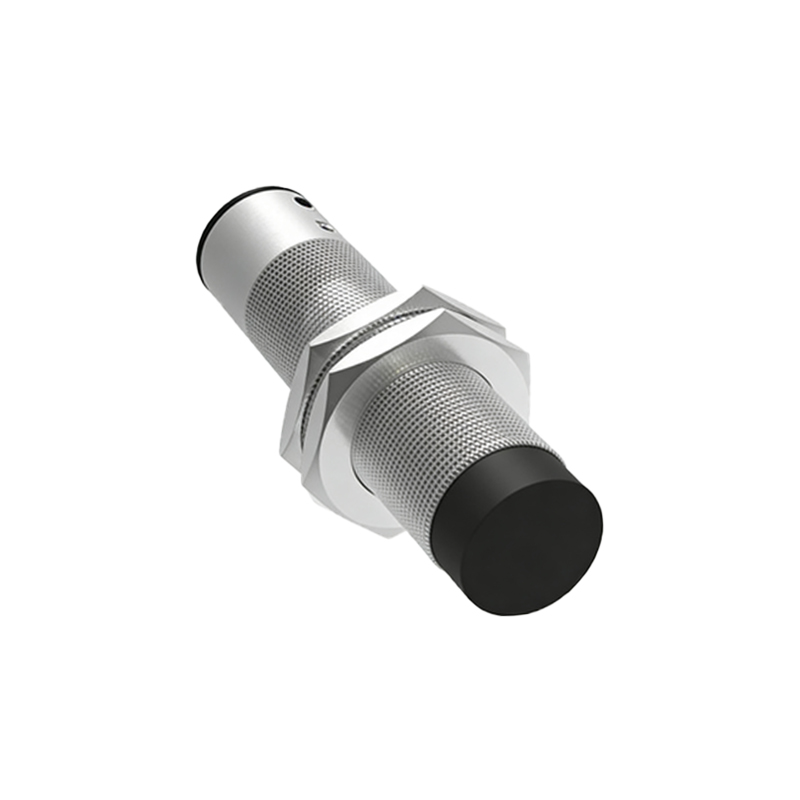
These characteristics dictate their ideal applications. You will find them extensively used in metalworking and machining centers for part presence verification, in automated welding lines for fixture confirmation, and in food and beverage processing plants where sanitation is paramount. They are indispensable in paint spray booths, plastic molding machines with high static charges, and in lumber mills filled with conductive sawdust. A classic application is in material handling, detecting the presence of non-metallic objects like glass bottles, plastic containers, or wood blocks that would be invisible to standard inductive sensors. They are also perfect for sensing porous materials, irregular surfaces, or hot objects just out of the furnace.
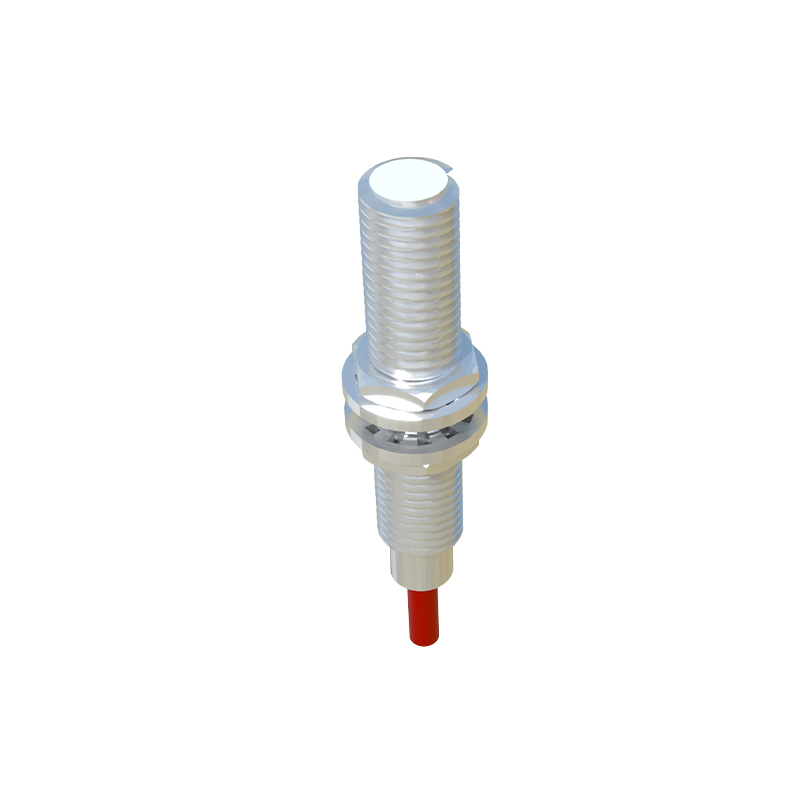
Selecting the right pneumatic proximity sensor involves several key parameters. Sensing range is critical and is typically very short, often from a few millimeters up to about 20 mm, depending on the nozzle design and air pressure. The repeatability, or the consistency of the detection point, is usually excellent. Response time, while generally slower than their electronic counterparts (in the millisecond to tens of milliseconds range), is more than adequate for most industrial sequencing. The choice between a purely pneumatic output and an electronic interface depends entirely on the existing control architecture. Maintenance is straightforward, primarily involving ensuring a clean, dry air supply through proper filtration and regular checks for nozzle blockage.
In conclusion, while not suitable for every high-speed or precision measurement task, pneumatic proximity sensors offer an unmatched combination of durability, safety, and reliability in challenging conditions. Their continued prevalence in industry is a testament to the enduring power of a simple, well-executed mechanical principle. They solve detection problems in environments that are actively hostile to electronics, ensuring process reliability where it matters most. Engineers and maintenance personnel appreciate their straightforward diagnostics and longevity, factors that contribute directly to reduced downtime and lower total cost of ownership in demanding plant floor applications. Understanding their operation and strengths allows for optimal sensor selection, creating robust and fail-safe automation systems.